If you’re inquisitive about what the term “wet jewelry box” means, it presupposes that you must have been bombarded with this peculiar trend on various social media platforms. Let us make it clear. There is no such thing as the “wet jewelry box” and it is absolutely not a secure option for you to store your jewelry. This expression is one that has gained popularity on social networking platforms such as TikTok.
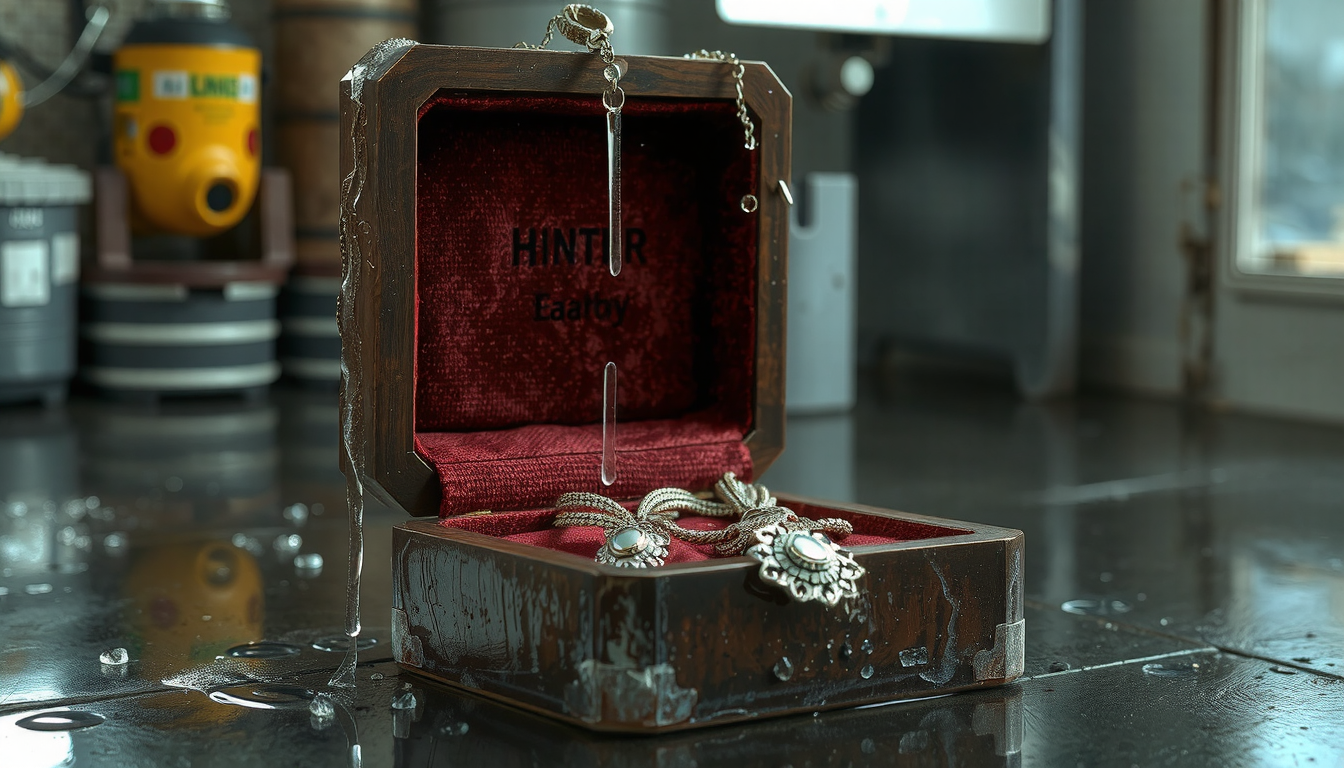
The strange videos reveal jewelry after it is put in a box that is about to be filled with water. This is a deceptive marketing ploy. Some brands do this as an attempt to prove that their jewelry is “waterproof” or won’t tarnish. Nevertheless, it is extremely misleading and could be dangerous for a number of jewelry types.
In this article, we seek to clarify this trend and also tell you what might ensue if you store your jewelry items in water. Importantly, we will provide you with the best practices from professionals in the industry on how to care for and store your jewelry properly.
Dissecting the “Wet Jewelry Box” Social Media Phenomenon
To know why people have become interested in what a wet jewelry box is, it is necessary to look at social media where the whole exploding idea came into existence. The platform has become a home to a diverse and stimulating creative community that has resulted in many new challenges such as the dissemination of openly incorrect ideas about jeweling.
What the Trend Looks Like: User Confusion in the Viral Videos
These days, it has become a norm to watch a very short advertisement for a company that sells jewelry on TikTok or Instagram. You might find one that shows a box carrying water which is often a transparent container, completely oversaturated with necklace pearls and bracelets. At times, gel is used as the main liquid to showcase the items.
The reaction in the comments section of these disclosures shows how conflicting viewers actually are. A few of them are inquiring if this is a new method to prevent chains from getting tangled. Others have said it directly referring the advertisement technique hiding the truth. Furthermore, many of them are worried about this matter. “Will the water cause rust or tarnish?” they query. You can see many of these discussions and videos on TikTok.
The Real Motive: A Marketing Tactic for “Waterproof” Jewelry
These videos’ main goal is marketing, first of all. The sellers take the “wet jewelry box” to port an image that is striking. They want to “prove” to the customers that their products look like they are being handled without sustaining any damage from water. It is a way to promote jewelry as waterproof or tarnish-proof.
Even though this kind of display is visually stimulating, it is a wrong interpretation of taking care of jewelry. The wet jewelry box trend’s real purpose is to advertise a product, not to teach you how to store your jewelry. Adopting this trend with your personal collection could lead to irreparable damage.
The Science of Why Water Is Your Jewelry’s Enemy
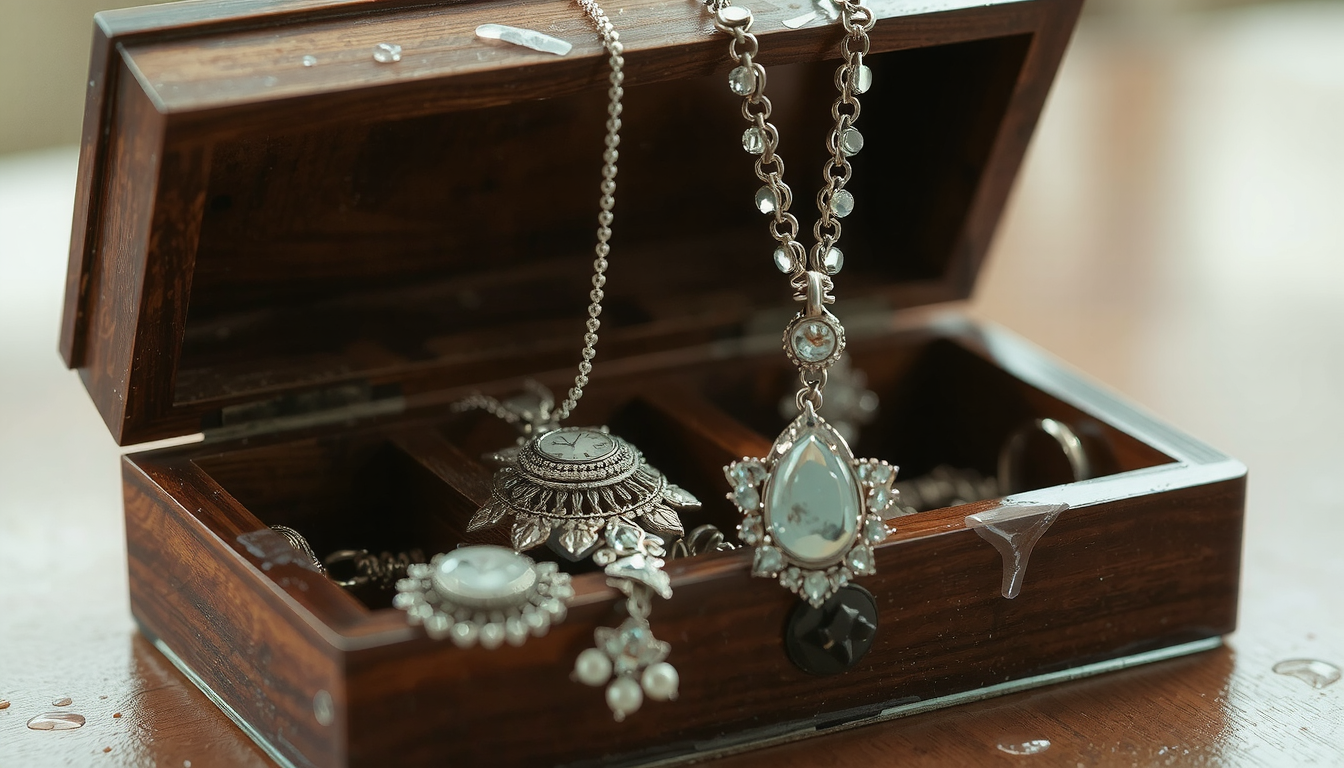
As jewelry experts, we want to let you know that moisture is among the most significant threats to your collection. The concept of a wet jewelry box opposes all the good practices for care. Here is the science of why jewelry and water do not go together. Every metal has its reactivity to environmental changes.
Tarnish and Oxidation: A Chemical Reaction Waiting to Happen
The bulk of artistic jewelry is made from these metals that undergo environmental change. The reaction happens when the metals, such as sterling silver, copper, or brass, come into contact with water and oxygen. Their reaction then proceeds, and tarnish forms, which is a layer of dirt that makes the jewelry look old and dirty.
What is more, are the remnants of the tap water that travel with these chemicals like chlorine. Chlorine with the help of salts found in pools and oceans can heighten this phase of the process. It is fast, relative to chlorine and other chemicals in water, forestalling the oxidation that tarnishing uses to deaden metals.
Irreversible Damage to Gemstones and Materials
Water damages metals and it also can ruin many popular semi-precious and approaches precious stones. Stones that have a water absorption rate such as opals, pearls, turquoise and corals are at risk of being affected by this problem.
When these stones absorb water, they can become cloudy or lose their shine. They might even crack. That glue is also affected by moisture which can weaken the exclusive one that holds the small stones in place. Consequently, this creates a huge risk of stones falling out of their setting.
The Hidden Dangers: Mold, Mildew, and Bacteria
Think about what occurs when a towel is left wet in a closet. It gradually acquires a foul smell and is filled with mold. The wet jewelry box, especially one with a fabric lining, exposes the same problem.
This damp environment is the perfect home for mold, mildew, and bacteria to thrive. These can grow on your jewelry and inside the box. By damaging pieces in this manner not only can they create an unsanitary condition, but this also makes it uncomfortable and unpleasant to wear them.
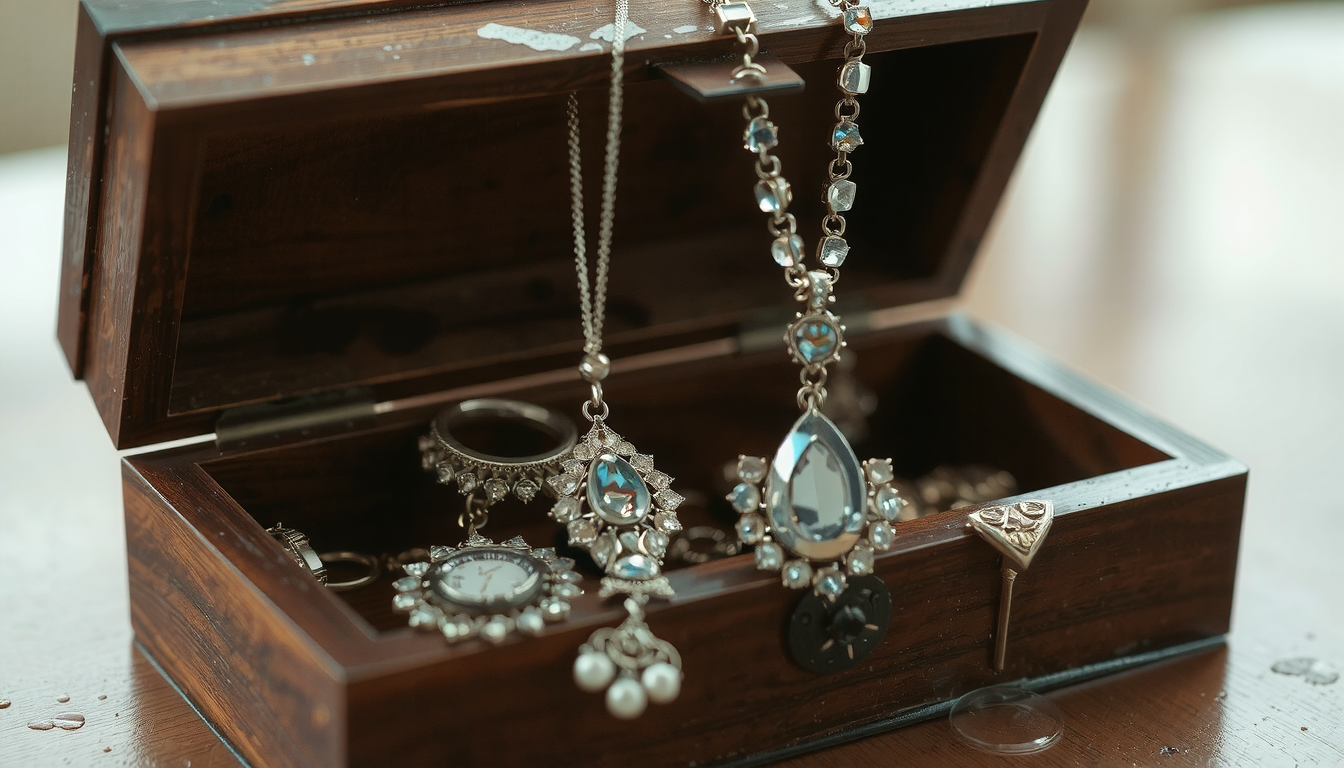
Water Exposure Risk for Common Jewelry Materials
To help you understand it better, we made a list of the materials and the corresponding levels of risk which is described here.
| Material | Risk Level | Potential Damage |
|---|---|---|
| Sterling Silver | High | Quick tarnishing, lack of shine. |
| Gold Plated | High | Peeling layer, that uncover base metal, tarnish. |
| Fashion Jewelry (Brass, Copper) | High | Speedy tarnishing, rust, can turn skin green. |
| Pearls | High | Clouding, dullness, string weakening. |
| Turquoise / Opal | High | Color changes, cracking, structural damage. |
| Solid Gold | Low | Generally safe, but chlorine/chemicals can make it dull. |
| Platinum / Titanium | Very Low | Extremely resistant, but settings might be affected. |
| Diamonds | Low | Generally okay, but water can loosen settings after a while. |
The Professional’s Guide to Right Jewelry Storage
Now that you’re aware of what a wet jewelry box is and who you’ll be needing to avoid it, let’s move on to the correct way of storing your jewelry. Following our guidelines will ensure that your personal collection remains in a good state.
The Three Golden Rules of Jewelry Storage
The foundation of jewelry conservation is found in three imperative rules. Maintain these, and your pieces will last a lifetime and beyond.
- Keep It Dry: This is the primary rule. Store your jewelry in an airy, cool area. Try to avoid using spaces like bathrooms and damp basements.
- Keep It Separate: Putting jewelry in separate spaces will avoid scratches. Tough gems such as diamonds can easily scratch bars with soft metals such as gold. This also prevents chains from tangling.
- Keep It Clean: After you wear it, just use a soft cloth to gently wipe your jewelry. That way, you can get rid of skin oils, makeup, and sweat that can eventually do damage.
Choosing the Right Jewelry Box: Features That Matter
The base of a good jewelry box is a responsible decision against damage. Focus on some essential features. A soft lining like a non-scratch one is a must. Velvet is a material that makes your jewelry more comfortable and less likely to scratch. For the best options, you can check velvet jewelry boxes wholesale for pro-grade materials.
Look for a storage space with sections. This will facilitate the order with each piece of jewelry in its designated compartment. The infrastructure itself will determine how well you will keep your jewelry organized and intact.
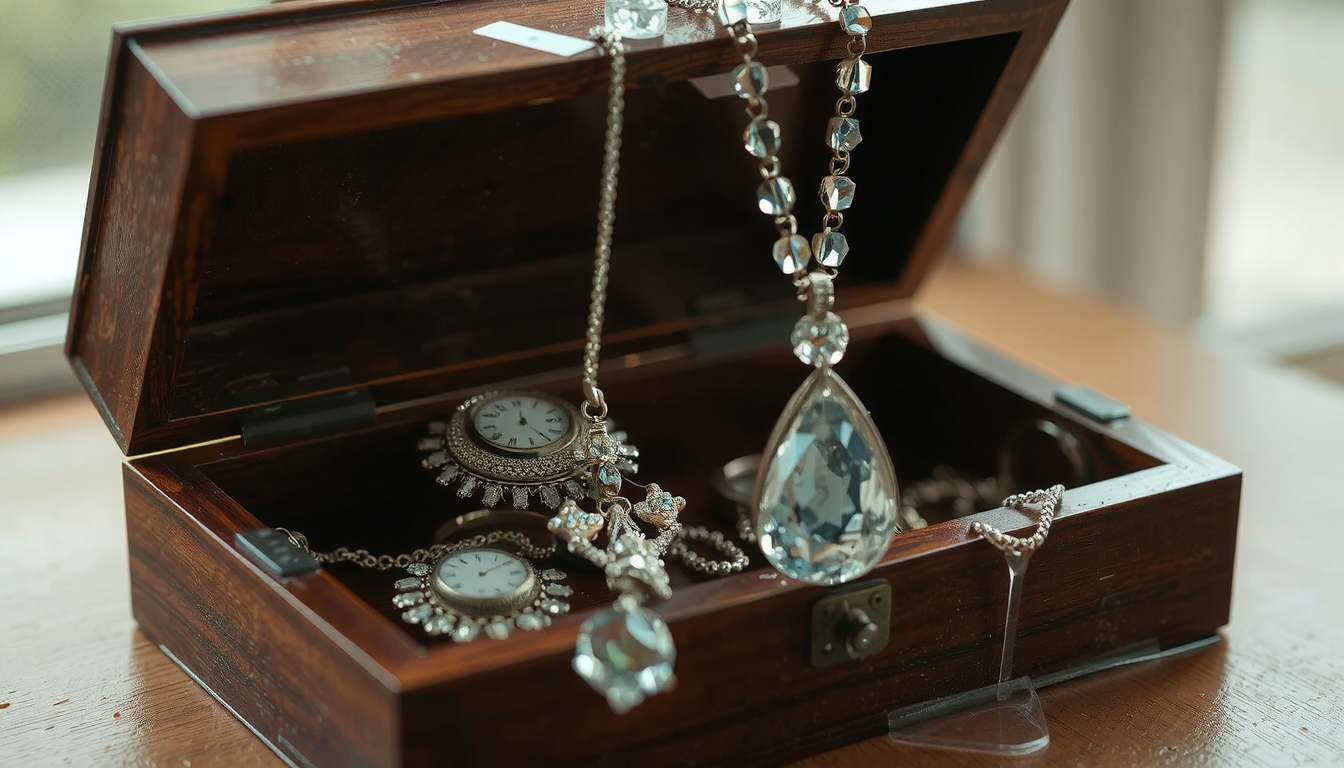
Finally, consider the quality of the box itself. A well-built box from a reputable jewelry box manufacturer will protect your collection from dust, sunlight, and moisture in the air.
Where to Find a Reliable Storage Solution
The best way to find a broad selection of correctly designed storage options is to turn to a specialized jewelry box supplier. They can help you get the perfect one for your specific collection and needs. This way, you won’t have to worry about the security of your pieces.
“Waterproof” Jewelry: Decoding the Marketing Claims
The “wet jewelry box” trend is closely related to the emergence of “waterproof” jewelry. However, what is the reality about this phrase? If one wishes to be a smart consumer, one must comprehend the assertions made by different companies.
What Does “Waterproof” or “Tarnish-Resistant” Really Mean?
Most of the time, if a brand labels their jewelry as waterproof, they are referring to the fact that these are the materials that stand up to rust and tarnish the best. These are stainless steel, titanium, and platinum. They don’t have a tendency to react with water or air.
Nevertheless, many of these “waterproof” items are actually gold-plated or vermeil. This means there is a thin layer of gold covering a base metal like stainless steel or sterling silver. While this coating provides some degree of protection, it ultimately wears down. Frequent exposure to water, soap, and lotions causes this to happen. These marketing terms, such as the ones mentioned in laymen language have become more and more apparent in the jewelry and fashion industries.
Best Practices Even for Water-Resistant Pieces
Even though your jewelry is made from a substance as hardwearing as stainless steel, it is good practice to take care of it. What we advise is to always take off all your jewelry when swimming in a pool or the ocean. It is the harsh chemicals and salt that can dull the finish and ruin delicate parts.
Just remember, “waterproof” does not mean “damage-proof”. Thus, your jewelry may still get scratched or broken. Proper storage and gentle cleaning will always be the best ways to keep your items looking new.
FAQ: Your Wet Jewelry Box Questions Answered
We realize that for you people in the token mood there might be a lot of confusing information. Here’s a quip to some commonly encountered queries that we hear on the subject.
1. So, is there any situation where a wet jewelry box is a good idea?
Absolutely no. The “wet jewelry box” concept never works as a storing mechanism for personal jewelry. Only some companies use it briefly as a display option to make marketing campaigns. It will continuously damage your jewelry.
2. What if my jewelry is just cheap fashion jewelry? Does it still matter if it gets wet?
Yes, it matters a lot! Cheap fashion jewelry is usually made from copper or brass which are base metals. These tarnish easily. The thin plating can be easily stripped away with moisture. This leads to rust and green skin at times.
3. What happens if I use distilled water in the jewelry box? Is that safer?
Though distilled water is purer than tap water, it doesn’t handle the main problems. It is water, which causes oxidation (tarnishing) to happen. It can still hurt porous gems like pearls. It makes a medium for mold to thrive in. The risk is lesser, but in total, it is not a good or recommended storage method.
4. I have seen a video with slime/gel-filled boxes. Is that different from a water-filled box?
Using slime or gel is the same as using water; therefore, it is just another version of the bad trend. Such exotic substances contain moisture and other chemicals that may cause damage to your jewelry. Additionally, some of them can leave a sticky residue on your pieces. The residue will be hard to remove and it will attract dirt.
5. How can I test if my jewelry is truly waterproof without ruining it?
The safest way is to know the material. Only solid stainless steel, platinum and titanium are known as water-resistant. If you are uncertain of the material, it is best to presume that it is not waterproof. Thus, avoid soaking your pieces in water. Proper care is always the best approach.