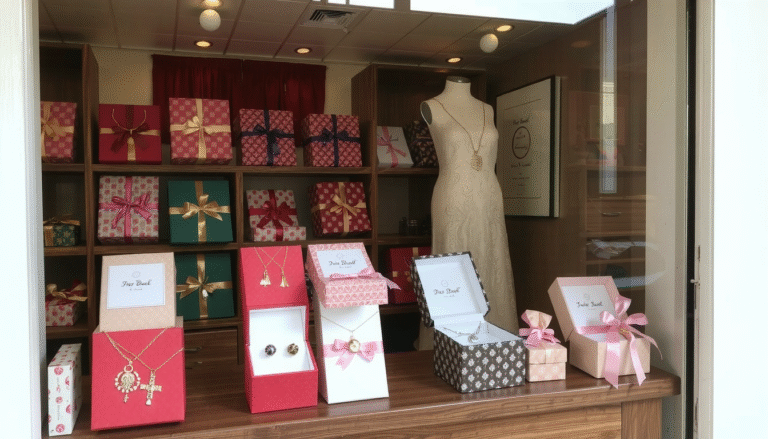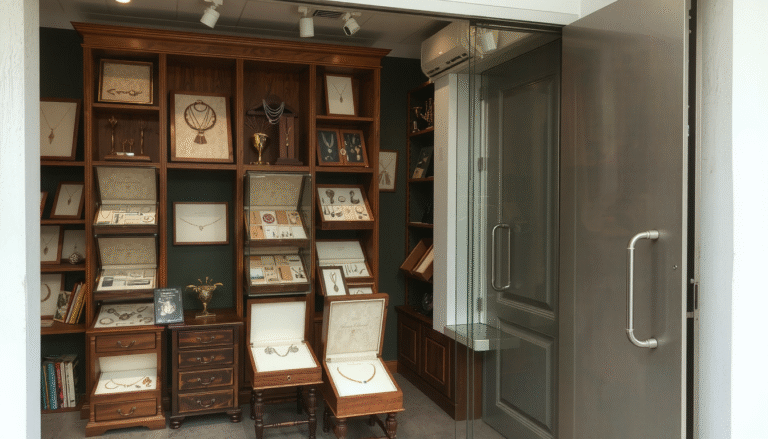
The function of a jewelry box is far more than just that of a storage entity. It is what we call ‘personal branding,’ it is a brand extension, it is a place where you keep your meaningful and valuable things. With a custom jewelry box, you tell the story about your life. It is a piece made from the heart to a friend. It is a materialization of the brand’s storytelling for its customers’ enjoyment.
This guide targets two types of makers. In this first part, we guide you through the creative hands-on processes in a DIY project. In the second part, we explain how to work with professionals to get high-end packaging in a custom design.
Here’s what we’ll cover together:
- The major design principles always to have in mind before starting.
- The proposal of a DIY idea with a complete step-by-step guide.
- The way to collaborate with professionals for custom manufacturing.
- Materials and styles in-depth explorations.
Plan Your Course: Maker or Collaborator?
 Before you begin, you have to first ask yourself what you want to accomplish. That’s the most crucial step. Is your goal to be a crafter who makes one special piece, or are you a business owner looking for a scalable solution? That one decision will affect every following decision.
Choosing the right path means that your project will then fit your budget, timeline, and expected results. We have made a very easy table that will help you choose the most suitable way when you design your own jewelry box.
| Path | Best For | Pros | Cons |
|---|---|---|---|
| DIY Creator | Personal gifts, one-of-a-kind projects, hobbyists. | Entire creative freedom, no cost, personal value. | Lengthy, requires tools/skills, may lack professional touch. |
| Professional Collaborator | Jewelry brands, corporate gifts, luxury items. | High-quality finish, scalability, brand consistency, expert assistance. | Pricey, minimum order quantities, less hands-on control. |
The Designer’s Checklist: 7 Questions to Ask Before You Design Your Own Jewelry Box
Successful design starts with smart planning. Whether sketching on paper or briefing a manufacturer, answering these seven questions forms the crucial basis. You will be making a box that is both attractive and functional. This is the main pre-production stage for any custom jewelry box project.
What pieces of jewelry will it store?
This is the first and most important point from a functionality perspective. Rings require padded slots. If the design owner prefers necklaces, hooks or long spacers would be recommended. Open space without partitions is what needs to be used for chunky items and watches. A design that does not correlate with its contents is a complete failure.
Who will use it?
Think about the future user’s day-to-day. Is it to be kept on a dresser where they keep a few sentimental things that they want to access on a daily basis? Or is it just for long-term storage in a vault? If they plan to travel, the box could be compact and secure rather than big and decorative.
What is the core aesthetic?
Define the visual style. Do you want it to be simply chic and modern with straight lines and pastel colors? Or do you fancy a more rustic, boho atmosphere with natural wood and textiles? An old-school or luxury look might imply a need for rich ornamentation and heavyweight fabrics.
What materials correspond to the function and the looks?
Choosing your material is what determines durability, touch, and price. Solid wood like walnut will offer heirloom quality. High-quality paperboard is best for branded retail packaging. Velvet and suede liners scream opulence. Linen adds a clean and modern touch.

What is the budget and timeline?
Be transparent from the start. A DIY project might have lower material costs but it could take a lot of time. Professional production will involve your investment in design, tooling, materials, and shipment. A budget and timeline that are clear will help you with your choices.
Where will the box be stored?
The environment where the box will be located is significant. A box on a sunny vanity needs materials that will not fade over time. A box kept in a drawer can be simpler in design and focus more on storing things neatly inside.
What special features are essential?
Go beyond the basic structure. Does it need a simple lock and key for security? A convenience mirror could be put on the inner lid? Maybe multiple layers are required for a big collection? Or even a secret compartment for a truly unique item? Spelling them out early on is very important.
Path A: The DIY Crafter’s Journey to Building Your Jewelry Box
For those who highly appreciate the feeling of making it by themselves, this is for you. Here is a step-by-step plan that will take you from a fresh idea to a finished, personalized jewelry box.
Step 1: Get Your Base Materials and Tools
You do not need a separate workshop for this project. Simply choose a base that is available to you. You could try an unfinished wooden box from a craft shop or a solid cardboard gift box. Your basic toolkit should consist of a strong adhesive (like wood glue or E6000), a craft knife or cutters, a ruler, and your choice of paint or stain.
Step 2: Design and Layout the Plan
Revisit your answers from the “Designer’s Checklist.” Sketch the inner layout on paper. Measure your jewelry to ensure the compartments will be the correct size. This simple blueprint will lead you away from design mistakes and wasted material.
Step 3: Make the Outer Box and Inner Dividers
If you’re starting from an unfinished box, now is the time to paint or stain the outer part. While that is drying, you may as well make your inner dividers. Thin balsa wood, matboard, or heavy cardboard can be used. Tip: You can score the cardboard on one side lightly with a craft knife before folding. We’ve found this is a great trick to get rid of frayed edges and to create clean, sharp edges. Glue them into place according to your design.
Step 4: Add the Finishing Touches (Paint, Fabric, Hardware)
This is the moment when the box truly comes to life. Line the compartments with your chosen fabric. Felt or velvet are good choices. Use spray adhesive or fabric glue for a great finish. You can further enrich the look by adding small hardware like hinges, a clasp, or decorative corner protectors.
Step 5: Make it Truly Yours
Personalize the box the way you wish. Add a painted monogram. Use stencils to create a specific pattern. Apply decoupage with beautiful paper or images. This last layer of detail transforms a mere craft into a treasured keepsake. The ability to design your own jewelry box is a rewarding experience.
Path B: The Walk-through of Designing Your Jewelry Box with a Professional Service Provider
For jewelry brands or for those who want a high-end, perfect product, the best option is to work with a professional manufacturer. The entire process is more simple than you imagine.
Defining Your Vision and Specifications
The “Designer’s Checklist” is your most valuable asset here. Before contacting a supplier, make sure that you have clear answers. Keep in mind the dimensions, materials, desired features, and quantities. The more particular your vision is, the more precise your quote will be. The production process will also be smoother.
Finding the Right Partner
Look for a supplier who can meet your needs. Investigate their material options and available finishes (like foil stamping or embossing). Also check the minimum order quantities (MOQs). When you’re ready to partner with an expert, working with a dedicated jewelry box supplier can streamline the entire process from design to delivery. This way, your brand’s vision will be perfectly executed.
The Design and Proofing Process
Most suppliers will assist you to turn your idea into a production-ready format. They may request you to approve a “dieline” (a flat, 2D template of the box) or a 3D digital mockup. This is where you’ll be able to check everything before they start production. If your idea is vague, do not worry. A lot of services have in-house designers to facilitate the creation for you. As Allurepack notes, their expert designers are ready to meet your vision. They help you bridge the gap between concept and reality.

Material & Style Deep Dive: A Lookbook for Your Design
Materials and finishes are a valuable design vocabulary. They convey style, quality, and intent. Here is a lookbook that is tailored to help you choose the appropriate materials as you design your own jewelry box.
For a Luxury & Timeless feel:
- Materials: Solid woods such as walnut or cherry, real leather, weighty paperboard of superior quality.
- Finishes: High-gloss lacquer, gold or silver foil stamping, embossed or debossed logos, plush velvet or suede lining.
For a Modern & Minimalist feel:
- Materials: Light-colored woods like maple or birch, clear or colored acrylic, coated paperboard.
- Finishes: Matte lamination, clean sans-serif typography, blind debossing (an imprint without foil), neutral-colored linen lining.
For a Rustic & Bohemian feel:
- Materials: Unfinished or reclaimed wood, kraft paper, burlap, cork.
- Finishes: Natural wood stains, laser engraving, twine or leather tie closures, raw cotton or muslin lining.
Implementing Your Design: Key Tools and Resources
Whether you are going to use a paintbrush or digital tools, the right tools will make the process smoother. They will help you succeed in designing a custom jewelry box.
For the DIYer
 Your local craft store (like Michaels or Hobby Lobby) and hardware store are your best friends. Look for unfinished wooden boxes, specialty papers, and decoupage supplies. A wood-burning kit works well, too. Small hardware like clasps and hinges will be used to bring your ideas to life.
Digital Design & Prototyping
For those on the professional path, you don’t have to guess what the final product will look like. Many services offer online 3D design tools that let you visualize your product. These platforms allow you to “create, preview, and export luxury packaging with editable dielines and 3D mockups.” You get full control before committing to a large order.
Frequently Asked Questions (FAQ)
What’s the best material for a beginner DIY jewelry box?
Unfinished pine boxes available at craft stores are excellent. They are inexpensive, easy to paint or stain, and already structurally sound. For a free option, sturdy cardboard from old gift or packing boxes can be used. It’s a versatile medium to practice your construction skills.
How much does it cost to professionally design your own jewelry box?
Prices differ widely according to the material, size, quantity, and complexity. For instance, a simple branded paperboard box can cost a couple of dollars per unit in a bulk order, while a single, custom-made high-end wooden box could be priced over a hundred dollars. Always get a comprehensive quote from your supplier based on your specifications.
How can I best protect my jewelry inside the box?
A soft, non-abrasive lining is the most crucial thing. Felt, velvet, suede, or microfiber are the best choices. They serve as a protective barrier against scratches for both metal and gemstones. For special items, include padded ring rolls and hooks to keep necklaces from tangling. Small, divided compartments will keep earrings from getting lost or damaged.
What information do I need to provide a custom jewelry box supplier?
To get a right quote and a smooth production run, you have to provide a few things. You should give your desired dimensions (Length x Width x Height) and materials for both the exterior and the interior. Also state the total quantity you need and include your logo or artwork files, usually in vector format such as .AI or .EPS. Having a clear idea from our checklist will greatly speed up the process.
Can I design a jewelry box with a secret compartment?
Definitely! For a DIY project, this typically involves constructing a false bottom or adding a cleverly hidden drawer. This is also an option that you can request from a custom supplier. Be sure to include its exact location and dimensions in your design specifications to ensure it’s built correctly. For complex or high-end custom projects like this, consulting an expert is recommended. You can explore bespoke options with a dedicated jewelry box supplier to bring even the most intricate ideas to life.