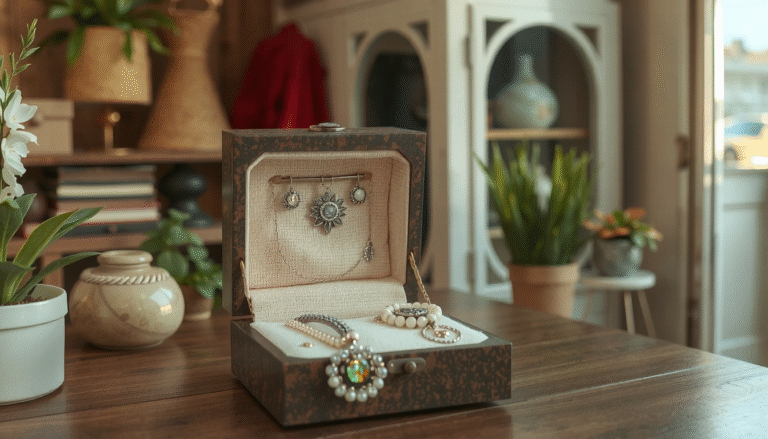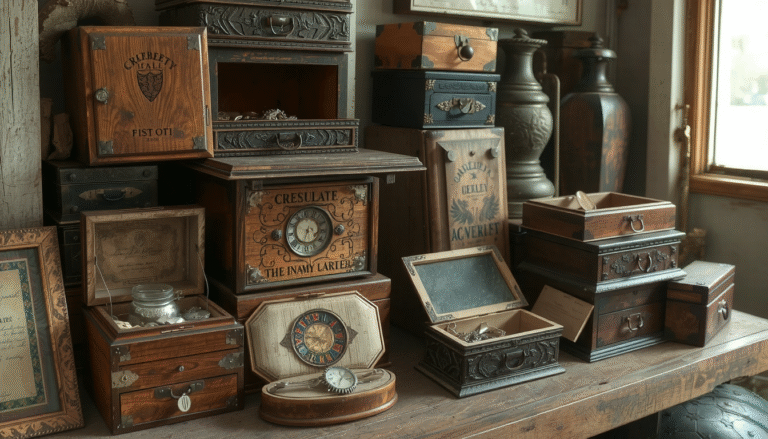
Are you planning to construct your own jewelry box? This is the right source for you. The transition from a plain wood block to a stunning ready-to-use piece is only possible by having the right tools and materials. Getting the correct jewelry box making supplies before you start is crucial for a smooth and successful project.
This guide is a thorough checklist for all skill levels. We will go through the main materials and tools. We will also look at the specific hardware and finishing touches that change the appearance of the item from being made by a machine to being handmade by an artist.
You might be just making a simple painted box as a present, or you might be making a fine woodworking item, a family blessing for future generations. In any case, this comprehensive list of jewelry box making supplies will help you.
The Core: Selecting Basic Material
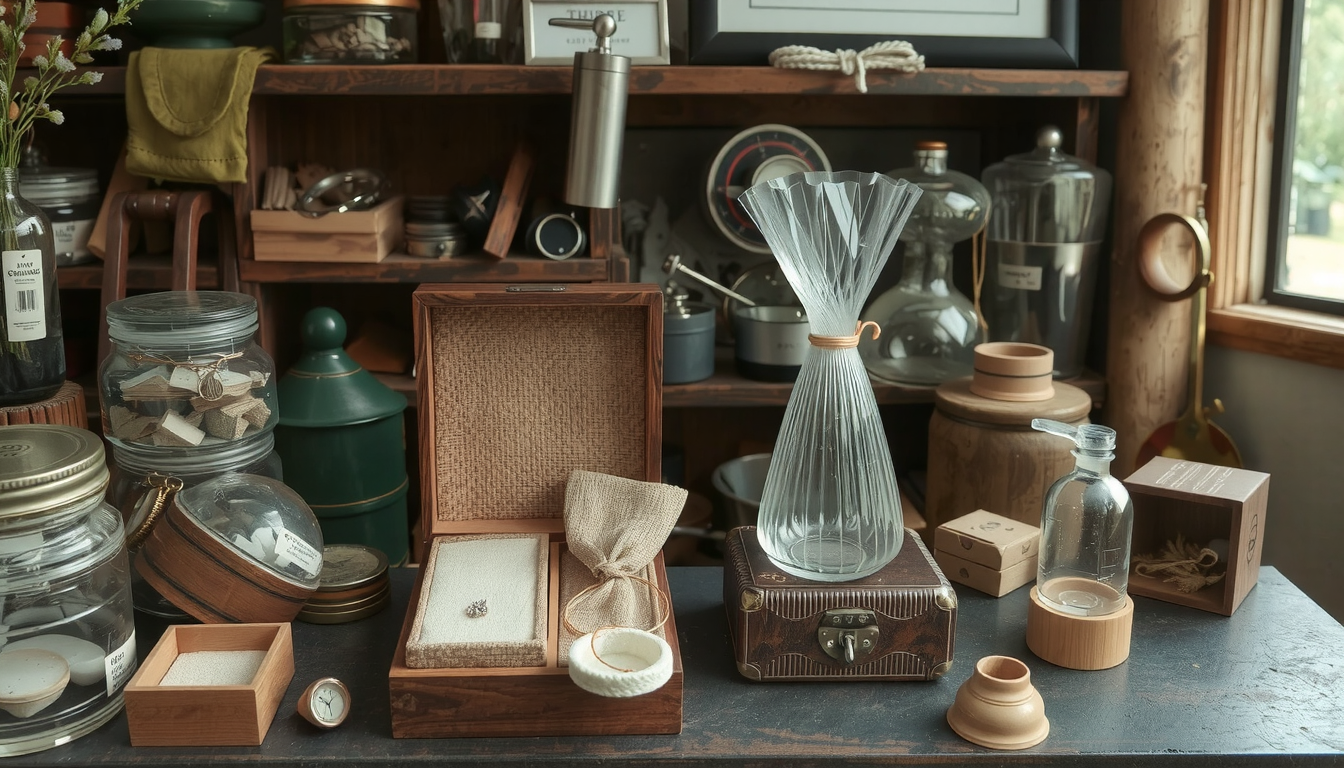 The decision you make about your material is a crucial factor in your project as it dictates what tools you will need. It also creates the techniques that you will use. It gives a distinct style to the piece, as the material will be the first thing to be seen. Therefore, you should decide the material based on the level of your skills, your budget, and the appearance you want.
| Material | Best For (Skill Level) | Pros | Cons | Essential Tools Needed |
|---|---|---|---|---|
| Solid Wood | Intermediate to Advanced | Attractive grain, very durable, luxurious, high value | Higher cost, risk of warping or splitting, rules of precision | Hand or power saw, chisels, clamps, sander |
| Plywood | Beginner to Intermediate | Strong, stable, cost-effective, available everywhere | Edges need banding or filling, less premium look | Hand or power saw, drill, sander |
| MDF | Beginner | Very stable, low-cost, can be painted with a smooth surface | Heavy, makes fine dust, not very durable when wet | Power saw (with dust collection), drill, respirator |
| Strong Cardboard | Beginner / Crafter | Very cheap, lightweight, no specialized tools required | Not sturdy, vulnerable to humidity | Craft knife, ruler, glue |
| Acrylic | Intermediate | Contemporary, smooth, see-through | Fragile, scratches easily, requires special glues/tools | Scoring knife or specialty saw, solvent cement |
Solid Wood (The Affordable Option)
Nothing can compare with the classic solid wood for a jewelry box. Pine is the best choice for beginners. It is soft and easy to cut. Oak is a fantastic choice since it is extremely durable and has beautiful grain patterns. If you want to create an heirloom piece of the highest quality, consider the deep, dark tones of walnut or the warm, reddish hues of cherry.
Plywood and MDF (Cheaper Choices)
Plywood is the best material for structural stability. Compared to solid wood, it is more stable and less likely to warp. MDF is the best material for you if you are planning to paint the box. The surface is smooth and uniform, and no grain filling is needed, which provides a perfect canvas for any color.
Cardboard and Other Materials
Don’t overlook simpler materials for non-woodworking projects, kids’ crafts, or prototyping. You can use thick, high-quality cardboard layered and covered with decorative paper or fabric. You can find a step-by-step guide to crafting your own DIY jewelry box using various materials. This shows how versatile this craft can be.
Essential Box Making Tools
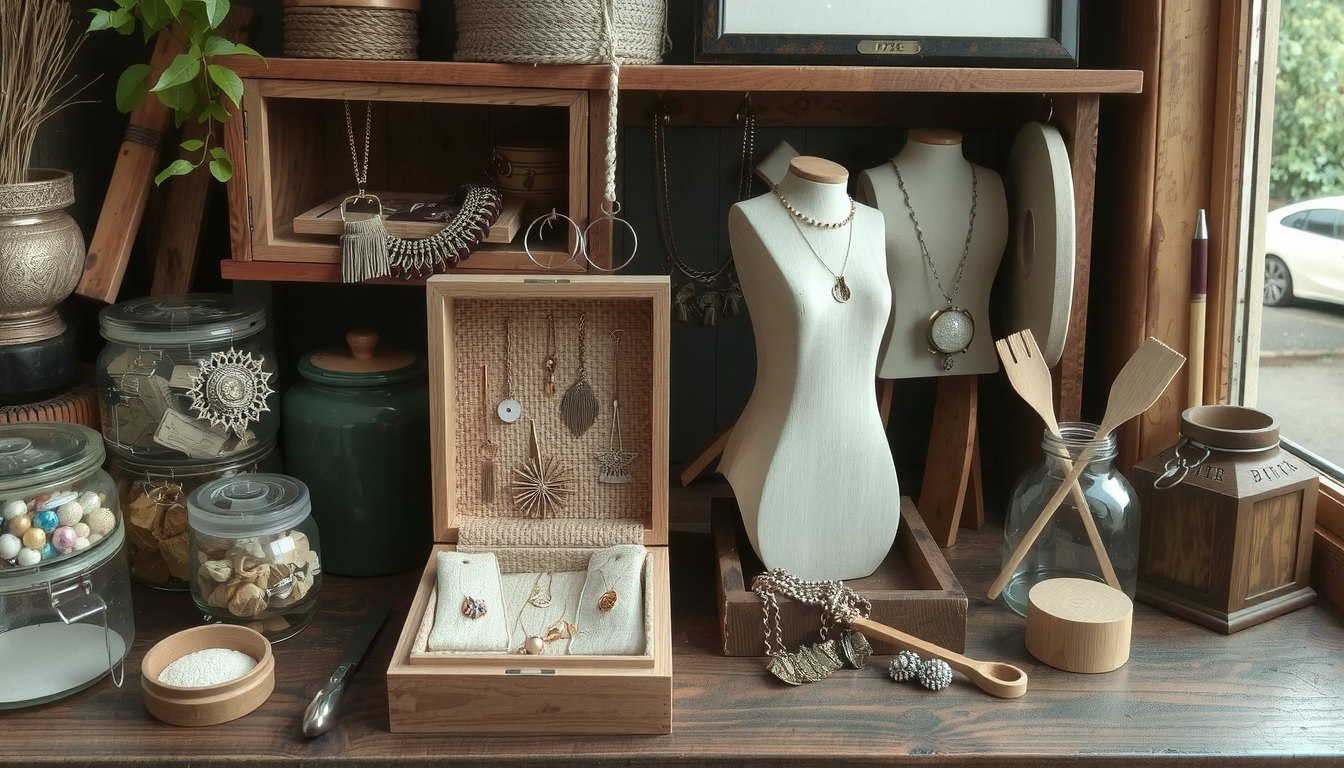
The right tools save you time and ensure that you come up with quality results. The list of essential jewelry box making supplies is organized according to the steps of construction.
Cutting & Shaping Tools
- Hand Saw (Tenon/Dovetail Saw): Excellent for small-scale projects where accuracy counts. They are commonly used for cutting fine wood joints, such as dovetails or box joints, by hand.
- Power Saw (Miter Saw/Table Saw): Machines that make cuts that are perfectly square and angled are very fast and repeatable. The table saw is the workhorse in the shop. A miter saw is best for crosscuts.
- Router & Bits: Routers are used for adding decorative edges, for cutting the grooves on the box bottoms, and for shaping the wood joint. A simple roundover or chamfer bit will change the whole look of any box.
- Chisels: Sharp chisels are essential for cleaning up joints. They cut away small bits of material and help the hardware fit better.
Assembly & Clamping Tools
- Wood Glue: Do not skimp in this area. The right PVA (polyvinyl acetate) wood glue will bond your projects stronger than the wood itself.
- Clamps (Bar, C-clamps): You can never have enough clamps. They hold the joints tight while glue dries, guaranteeing strength and the complete absence of gaps.
- Drill & Bits: These are for drilling pilot holes for screws. This prevents wood from splitting during the installation of hardware like hinges and clasps.
Sanding & Surface Prep
- Sandpaper (Multiple Grits): A smooth finish starts from proper sanding. Sand the surfaces in a grits progression. Start with 120-grit for the initial shaping and removal of tool marks. Then move on to 180-grit and finish with 220-grit for a silky-smooth surface ready for a finish.
- Sanding Block or Random Orbit Sander: Using sanding blocks will help to keep surfaces flat. Random orbit sanders will save much time on larger panels because they remove material much faster.
From Simple to Stunning: A Tiered Guide
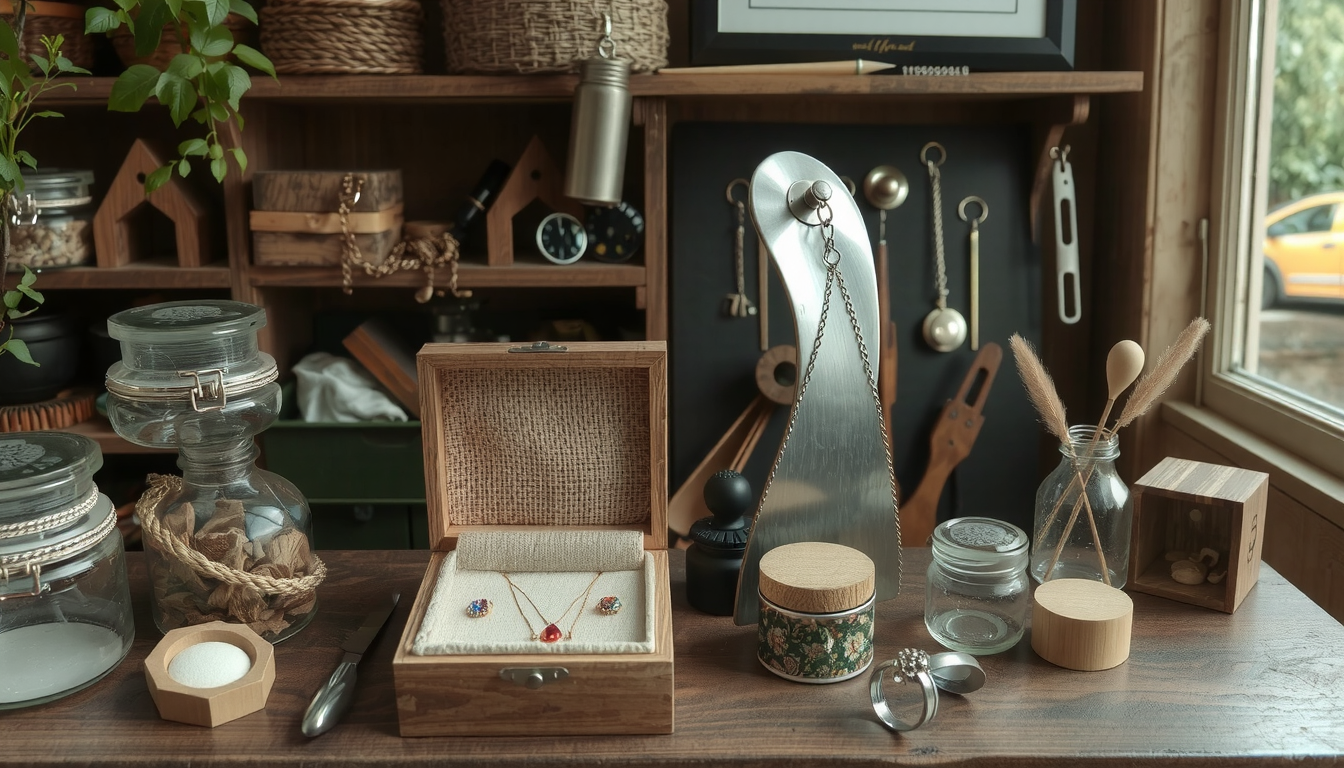 Not all jewelry box making supplies are equal. Hardware and finish should reflect the quality and purpose of your box. Let’s see how to choose, from gifts to heirlooms.
Picking Your Hardware
- Good (Beginner/Budget): For short-term, functional projects, simple brass-plated steel hinges and some decorative hasps from big box stores are just perfect. They are cheap and easy to mount.
- Better (Intermediate): Upgrade to all-brass butt hinges and some ornamental box catches. They not only last longer but also feel heavier and look better than the plated ones.
- Best (Heirloom): For quite remarkable products, invest in quadrant hinges. These have built-in stops that hold lids open at 95 degrees. Pair them with high-quality lid stays and small box locks with functional keys for ultimate fine craftsmanship.
Selection of a Finish
- Good (Easy & Protective): Wipe-on polyurethane and spray lacquer are the best choices for beginners. They create strong, protective films in a very short time and they are easy to apply.
- Better (Enhanced Look & Feel): Danish oil and Tung oil are penetrating oils. They fill wood, completely drying in the fibers so they offer a natural satin that feels good to the touch. Application with rags is easy.
- Best (Professional & Durable): Shellac, especially when it is applied as French polish, gives you an unmatched deep, crystalline gloss. For modern, durable, and natural-feeling finishes, quality hardwax oil is superb. While the fastness of spray lacquer is sure, the hand-rubbed feel of top-quality hardwax oil is unique for projects that you want to be special.
The Details That Matter
Hardware, linings, and dividers are essential elements that make a wooden box become a functional and beautiful jewelry box.
Core Jewelry Box Hardware
- Hinges: Pick from butt hinges, smaller pin hinges for a minimalist look, or fancy quadrant hinges for high-end boxes.
- Clasps, Latches, and Locks: They not only close the box but also add to the general look. Options range from simple swing latches to intricate keyed locks.
- Handles and Knobs: Small knobs or lid lifts make boxes easier to open and bring extra visual interest.
- Box Feet: Adding small decorative feet to the boxes not only protects the bottom but also adds elegance.
Lining Your Box for Protection
Soft linings protect delicate jewelry from scratches.
- Felt or Velvet: These two materials are the best options for lining. You can find them as self-adhesive sheets or you can use the traditional fabric with spray adhesive to stick it to the box.
- Suede or Leather: For classy touches, a premium effect is created by lining boxes with genuine or faux suede or thin leather.
- Anti-Tarnish Fabric (Pacific Cloth): This is a professional tip. This specially treated silver cloth absorbs airborne sulfates, preventing tarnish on silver jewelry.
- Here’s an experience tip: always make templates first. Before cutting expensive lining material, trace your box’s inside panels onto paper. Cut paper templates and test their fit. This prevents costly mistakes.
Creating Custom Compartments
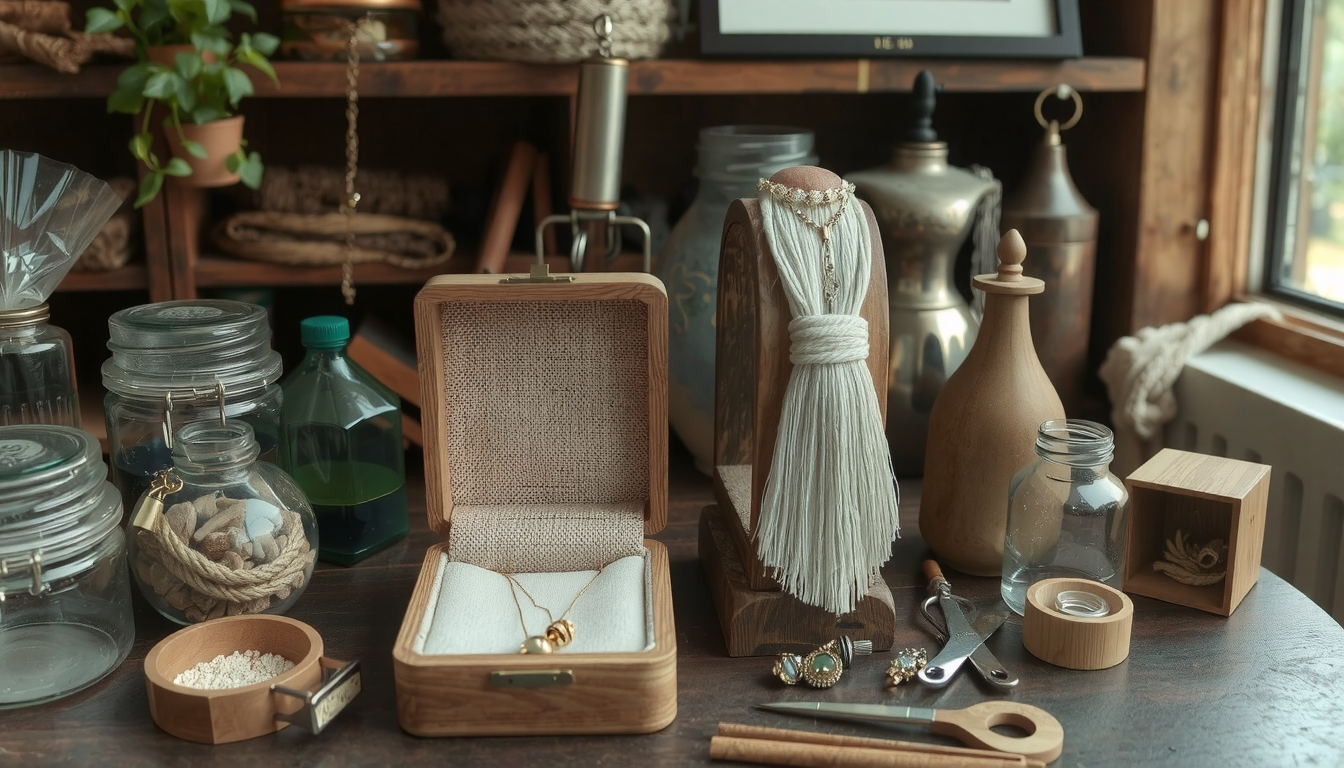
Custom dividers turn simple boxes into organized storage solutions. You can use thin strips of the same wood as the box, or use sturdy cardboard wrapped in your lining fabric. Thoughtful layout is key to making compartments for different types of jewelry, ensuring spaces for rings, necklaces, and earrings.
Finding Your Supplies
Knowing what you need is half the battle. Knowing where to find your jewelry box making supplies is the next step.
Local & Big Box Stores
These are the ones you should visit for basic lumber such as pine and poplar. They also have some basic tools, hardware, and sandpaper.
- Pros: They are convenient, and you can touch your materials before buying.
- Cons: They do not carry a selection of specialized hardware, exotic woods, and high-end finishes.
Specialty Woodworking Retailers
Stores like Rockler or Woodcraft cater specifically to woodworkers.
- Pros: The staff is knowledgeable, and the store has many premium tools, a wide variety of domestic and exotic woods, and the finest jewelry box making supplies, i.e., quadrant hinges and specialty finishes.
- Cons: The prices may be higher than those at big box stores.
Online Suppliers
The internet offers the widest possible selection.
- Pros: You can get many types of wood species, hardware styles, and tools that you may not find elsewhere, usually at competitive prices.
- Cons: You cannot physically inspect the items before they arrive, and shipping costs on heavy items like wood can be considerable.
- For those creating multiple boxes or seeking professional-grade components like custom inserts or bulk hardware, exploring specialized vendors like Jewelry Box Supplier Ltd can be a great way to source high-quality materials efficiently.
Frequently Asked Questions (FAQ)
What is the best wood for a beginner making a jewelry box?
Pine is a suitable option. This wood is low-cost and its softness is a plus, making it simple to cut and sand. Another good choice is poplar, which is easy to work with and takes a coat of paint very well, leaving smooth and flawless surfaces for colorful finishes.
How do I get my box to have a perfectly smooth finish?
The trick is to progressively sand. Start with medium grit (like 120), then move to fine grit (220). Always sand with the direction of the wood grain to avoid scratches. Before applying your final finish, you should use a tack cloth to remove any remaining dust.
What’s the simplest method to line a jewelry box?
The simplest method would be to use pressure-sensitive (self-adhesive) felt sheets. First, cut the felt so that it is slightly larger than the interior panels, then peel the paper backing and press it into place firmly. The last step would be to carefully trim the excess with a sharp craft knife for clean edges.
Are routers really necessary for making a good jewelry box?
No, routers are not a must, but they facilitate making professional-looking decorative edges very quickly. You can create beautiful minimalist looks with square edges that are sanded correctly. Alternatively, you could use a simple block plane and make small chamfers by hand.
What are the most important jewelry box making supplies to invest in?
If you are on a low budget, prioritize three items: quality wood glue for the best joints, sharp cutting tools for the clearest edges, and high-quality sandpaper for the smoothest finishes. These three items have the most decisive impact on the final quality and durability of your project.