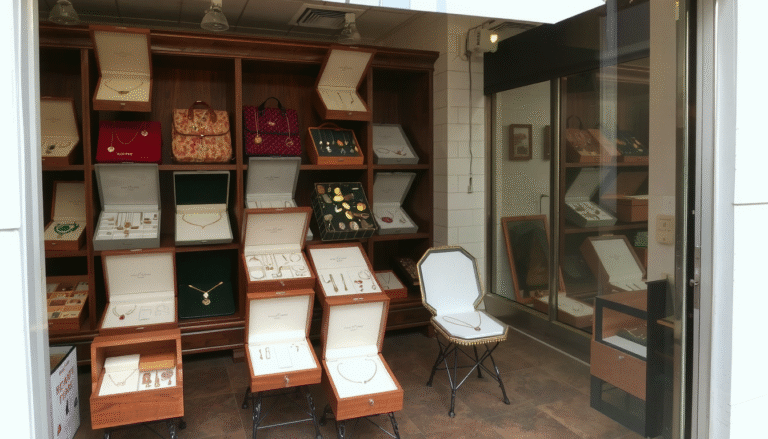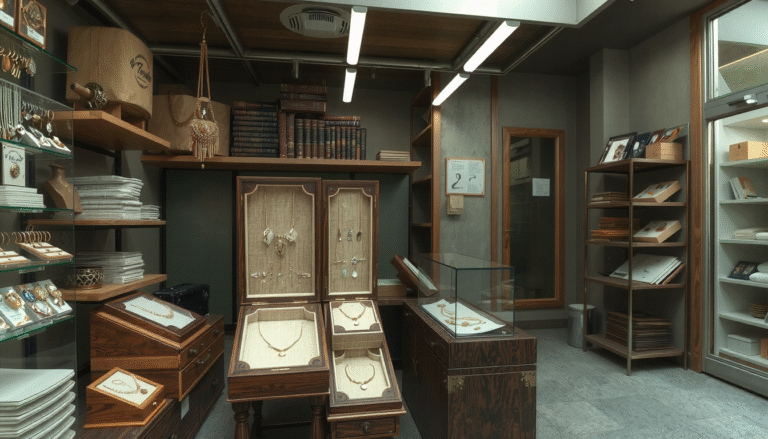
Making a personal, beautiful home for your jewelry is a great project. It is a fun way to create something useful and special. This guide will show you exactly how to make a jewelry box. It works for any skill level.
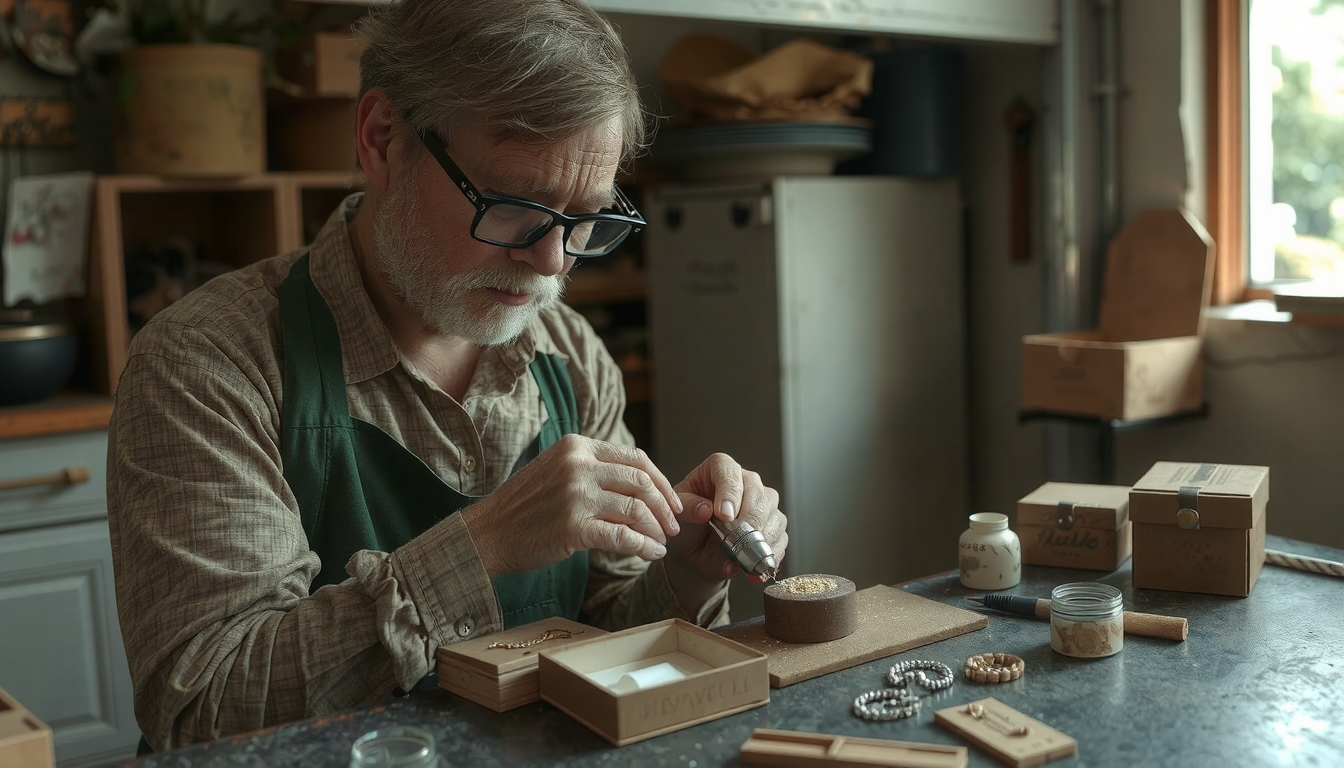
We cover everything from simple cardboard designs to nice wooden boxes. You do not need many tools or experience to start. Follow these steps and you will have a custom box that you can be proud of.
In this guide, you will learn:
- How to plan the perfect box for your needs.
- A step-by-step guide for a simple cardboard box.
- A detailed tutorial for a classic wooden jewelry box.
- Professional tips for lining and finishing.
Before You Begin: Planning Your Box
Planning is the most important step. It makes sure that your final box is both useful and pleasing to the eye. Taking time to plan now will help you avoid problems later. This is the key to building a box you will love for years.
What Will Your Jewelry Box Hold?
First, think about your jewelry collection. Do you have many rings, long necklaces, or chunky bracelets? The type of jewelry you own will shape how you design your box.
For rings, you might want soft ring rolls. For necklaces, you may need deeper space or hooks to prevent tangles. Small earrings work best in divided sections. Thinking about this now helps you create a truly custom storage solution.
Choosing Your Material
The material you choose affects the tools, cost, and final look of your box. Here is a quick comparison to help you decide.
| Material | Skill Level | Tools Needed | Durability | Cost |
|---|---|---|---|---|
| Cardboard | Beginner | Scissors, Glue, Ruler | Low | $ |
| Wood | Intermediate | Saws, Sander, Clamps | High | $$-$$$ |
| Upcycled Box | Beginner | Glue, Fabric | Varies | $ |
Sketching a Simple Design
You do not need to be an artist. A simple drawing helps you see your idea. Grab a piece of paper and sketch the box.
Write down the measurements for length, width, and height. Think about the lid. Will it lift off completely? Or will it attach with hinges? A simple sketch acts as your map during the building process.
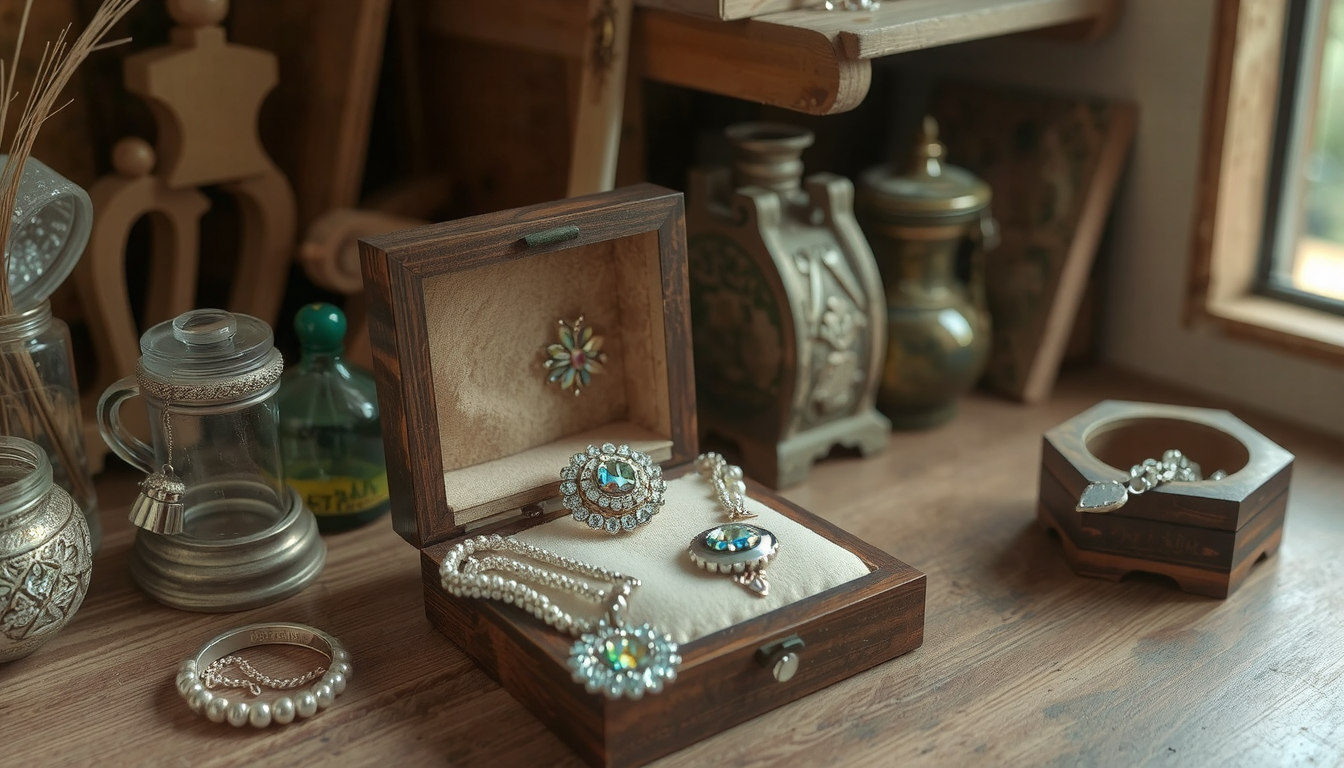
Method 1: How to Make a Jewelry Box from Cardboard
A cardboard jewelry box is the perfect starting point. It costs little, needs few tools, and gives you a quick result. This method shows you how to make a jewelry box that is both simple and stylish.
Gathering Your Supplies
Before you start, collect all your materials. Having everything ready makes the process smooth and easy.
- Sturdy cardboard (from a shipping box)
- Craft knife or sharp scissors
- Ruler
- Strong glue (PVA white glue or a hot glue gun)
- Decorative paper or fabric for covering
- Pencil
Step-by-Step Instructions
Follow these simple steps to build your box.
-
Cut the Pieces: Use your ruler and pencil to mark lines on your cardboard. For a small box, cut a base piece that is 6×8 inches. Then cut two side walls that are 6×3 inches. Cut two walls that are 8×3 inches. For the lid, cut a piece slightly larger than the base. Try 6.25×8.25 inches.
-
Assemble the Box Frame: Take your base piece and apply glue along one edge. Press a wall piece into the glue. Hold it for a moment until it stays. Repeat this for all four walls to form the box shape.
-
Cover with Fabric or Paper: This is where you add your personal style. Cut your fabric or paper large enough to wrap around each piece. Apply a thin, even layer of glue to the cardboard. This prevents lumps. Start from the inside of the box and work your way out for cleaner edges. Smooth the fabric down as you go.
-
Create the Lid: To make a lift-off lid, glue thin strips of cardboard to the underside of your lid piece. These strips should fit just inside the box walls. This keeps the lid from sliding off. Cover the lid with your decorative material just like you did with the box.
-
Optional Interior Dividers: For better organization, you can add dividers. Cut small pieces of cardboard to fit inside your box. You can cover these with fabric too. This simple project shows you can make a simple and pretty jewelry box out of cardboard with just a few basic supplies.
Method 2: Building a Classic Wooden Jewelry Box
For a project that will last a lifetime, a wooden jewelry box is a great choice. This method needs more tools and precision. But it results in a beautiful, durable heirloom. Learning how to make a jewelry box from wood is a very rewarding skill.
Essential Tools and Materials
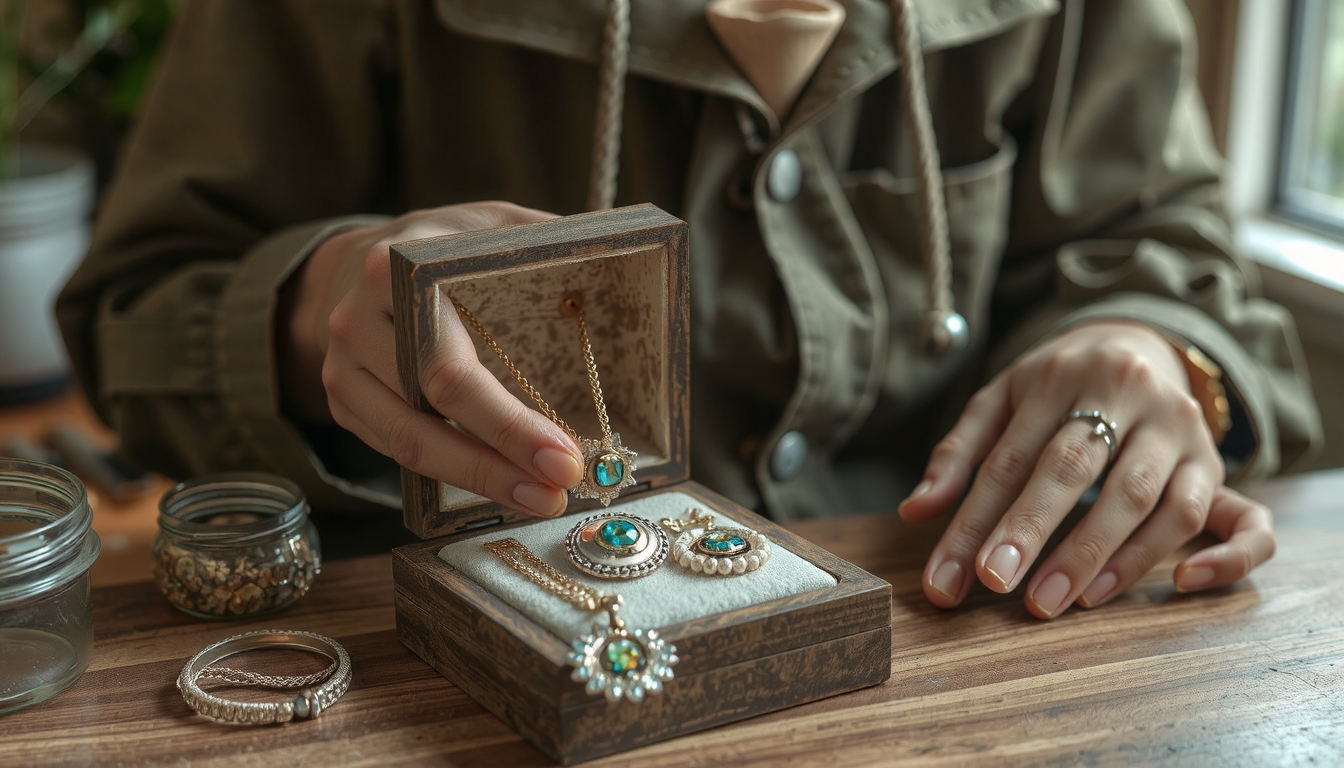
Having the right tools is key for woodworking.
Tools:
* Table saw or a fine-toothed hand saw
* Miter box (if using a hand saw)
* Sander (orbital or belt sander) or sandpaper blocks
* Clamps (band clamp or corner clamps are best)
* Ruler or measuring tape
Materials:
* Wood of your choice (1-inch thick boards work well)
* Wood glue
* Small hinges
* Sandpaper (120 and 220 grit)
Choosing the Right Wood
For beginners, soft woods like Pine or Poplar are great. They cost less and are easy to cut and sand. For a more professional look, hardwoods like Oak, Walnut, or Cherry have beautiful grain. They are also very strong.
The Building Process: A Guide
Precision is the key to a great wooden box. Measure twice, cut once.
-
Cut the Box Panels: Cut your wood into four side panels. For the cleanest corners, use a miter saw or miter box. Cut the ends at a 45-degree angle. This allows the grain to wrap around the box for a professional look. Also cut a top and bottom panel to fit.
-
Assemble the Box: A great trick for perfect corners is the “fold-up” method. Lay your four mitered side pieces end-to-end. Tape the seams together on the outside. Flip the assembly over and apply glue to the mitered edges. Then simply fold the box into shape. This “fold up” box assembly method is a clever way to ensure square corners. Place the top and bottom panels in place before clamping.
-
Glue-Up and Clamping: Use a band clamp to pull the corners together tightly. Check that the box is square by measuring the diagonals. They should be equal. Use a damp cloth to wipe away any excess glue that squeezes out. This saves a lot of sanding time later. Let the glue dry completely.
-
Cut the Lid Free: Once the glue is dry, you will cut the lid from the main box body. This clever step ensures a perfect fit. Set your table saw blade height to just over the thickness of your wood. Cut all four sides of the box about one inch from the top. This separates the lid from the body.
-
Sanding for a Smooth Finish: Start sanding the entire box with 120-grit sandpaper. This removes any marks and smooths the joints. Then move to a finer 220-grit sandpaper for a silky-smooth finish.
-
Installing Hardware: Carefully measure and mark the positions for your hinges. Put them on the back of the box and lid. Use a chisel or router to create shallow recesses called mortises. The hinges sit in these. This allows the lid to close flush with the box. Screw the hinges in place.
The Finishing Touches: Lining and Personalizing
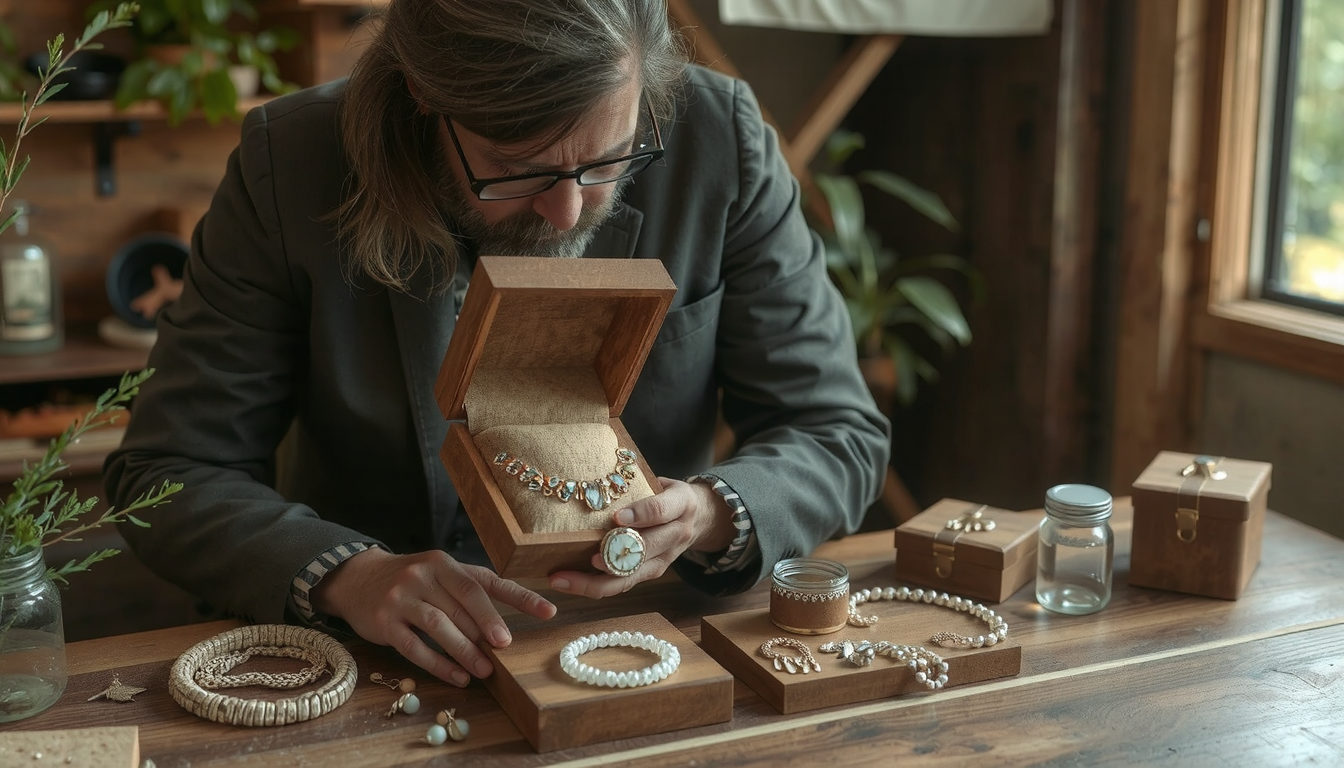
The final details turn a simple box into a treasured item. Lining protects your jewelry and adds a touch of luxury. These finishing touches are an important part of how to make a jewelry box special.
How to Line Your Jewelry Box
A soft lining prevents scratches and adds a professional feel.
Felt or Velvet: This is a classic choice. Instead of gluing fabric directly into the box, try this expert trick. Cut thin cardboard inserts that are slightly smaller than the inside bottom and walls. Wrap these inserts in felt or velvet. Secure the fabric on the back with glue. Then press the inserts into the box for a snug, clean fit. For a truly luxurious feel, you can source high-quality fabrics. Seeing examples of wholesale velvet jewelry boxes can show you the type of premium material used in professional products.
Flocking: Flocking involves spraying tiny fibers over a special adhesive. This creates a seamless, soft surface that is perfect for complex shapes. Flocking kits are available at many craft and woodworking stores.
Creating Compartments and Ring Rolls
Custom compartments make your box more functional. You can make simple dividers from thin wood or fabric-covered cardboard. Cut slots halfway through each piece so they can interlock.
To make ring rolls, use foam or cotton batting rolled tightly inside velvet tubes. Glue these rolls side-by-side into a section of your box. You can even find tutorials for advanced techniques like custom drawer pulls and flocking to further customize your project.
Applying a Finish
A finish protects the wood and brings out its natural beauty.
- Stain: Changes the color of the wood. Apply it before the final clear coat.
- Oil: Finishes like Tung oil or Danish oil soak into the wood for a natural, matte look. They are easy to apply and repair.
- Paint: Offers endless color options for a modern or custom look.
Need Inspiration or a Professional Solution?
Building a custom jewelry box is a journey. For inspiration on different styles, it can be useful to see what professionals create. Or if you need a more complex design.
Exploring the work of a dedicated jewelry box manufacturer can reveal advanced construction techniques. It can also show design ideas you might want to try on your next project.
If you decide to purchase a ready-made box, there are options. Or if you want to compare your creation to professional standards. A specialized jewelry box supplier is the perfect place to look for high-quality options.
FAQ: Your Questions on How to Make a Jewelry Box Answered
What is the easiest type of jewelry box to make?
A: For a true beginner, the easiest project is a cardboard jewelry box covered in decorative fabric or paper. It requires no special tools and can be completed in an afternoon. Upcycling a pre-existing wooden or tin box is also a very simple and creative option.
What is the best wood for making a jewelry box?
A: For beginners, affordable and easy-to-work-with woods like Poplar or Pine are excellent choices. For a more elegant and durable box with beautiful grain, hardwoods like Oak, Walnut, or Cherry are premium options. They produce stunning results.
How do I make the small dividers for inside the box?
A: The simplest way is to cut thin strips of cardboard or balsa wood to size. You can create interlocking slots by cutting halfway through one piece from the top. Cut the corresponding piece from the bottom, then slide them together. For a nicer finish, wrap the pieces in felt or velvet before assembling.
How can I prevent the wooden lid from warping over time?
A: The best way to prevent warping is to use high-quality, properly dried wood. Applying an equal number of finish coats to both the inside and outside of the lid also helps. This equalizes moisture exchange and keeps the wood stable.
Can I make a wooden jewelry box without expensive power tools?
A: Absolutely. A simple wooden box can be made using a quality hand saw and a miter box for accurate angles. You also need sandpaper and clamps. While power tools speed up the process, traditional woodworking techniques with hand tools can yield beautiful, precise results.