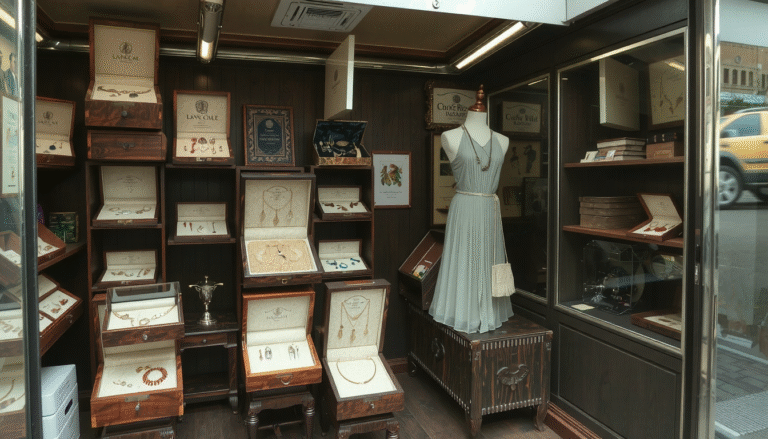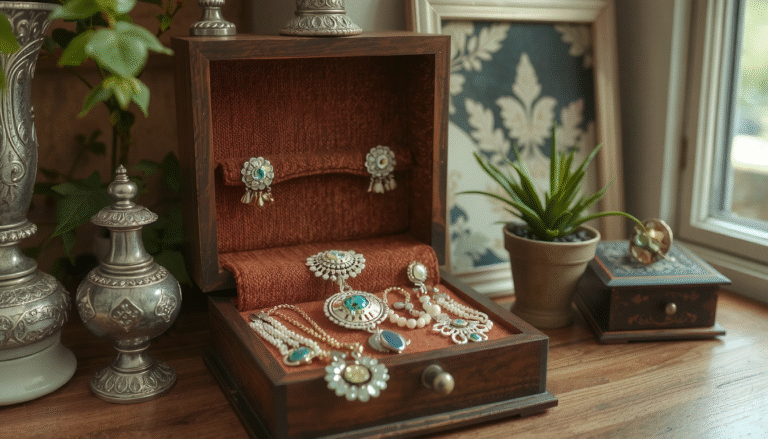
Your ambition is simple—make your jewelry so irresistible that customers find it hard not to buy. We understand that a jewelry display box for shop use is more than just a container. It’s a quiet yet powerful sales tool; a stage that transforms your product from a simple accessory into a must-have treasure.
This guide goes beyond basic tips, giving you a tactical approach to choosing, using, and mastering your displays. You’ll learn to enhance brand storytelling and create memorable customer experiences. Let’s make your displays work as your best salesperson.
Why Your Display Strategy Matters
 First, let’s understand why this is important. A smart display strategy forms the foundation of retail success. It’s an investment that pays off by doing three important things for your business.
The right display cases and boxes change how customers see your inventory. A well-chosen jewelry display box for shop environments can turn browsing into buying.
-
Enhancing Product Value: A clean and professional presentation makes jewelry look more luxurious and valuable. A diamond ring on a black velvet case appears infinitely more precious than one placed on a bare shelf.
-
Strengthening Brand Identity: Your display choices show your brand’s personality. Are you rustic and bohemian? Natural wood and linen displays speak for you. Sleek and modern? Polished acrylic and minimalist metal tell your story.
-
Ensuring Security: A good display strategy creates balance. Customers can interact with pieces while high-value items stay safe. This means mixing open displays for impulse buys with secure, elegant locked cases for premium inventory.
Decoding the Options: Types of Boxes
The jewelry display market offers many solutions. To choose wisely, we need to understand our main options. Each display type serves a specific purpose. It’s designed to show particular jewelry in the best possible light.
Selecting the right jewelry display box for shop merchandise starts your journey toward effective presentation. The table below shows the most common options, their best uses, and key benefits.
| Display Type | Best For (Jewelry) | Key Advantage |
|---|---|---|
| Ring Stands/Slots/Boxes | Engagement rings, statement rings, bands | Isolates the piece, focuses attention, prevents scratches. |
| Necklace Busts & Easels | Pendants, chains, statement necklaces | Shows how a necklace drapes naturally on the neckline. |
| Bracelet & Watch Ramps/Pillows | Cuffs, bangles, chain bracelets, watches | Provides a soft, angled surface for clear viewing. |
| Earring Trees & Stands | Dangle, stud, and hoop earrings | Prevents tangling and displays pairs together clearly. |
| Display Trays (Compartmented) | Small items, charms, delicate chains, sets | Organizes large quantities neatly for easy customer browsing. |
| Risers & Blocks | Featured items, collections | Creates height and levels, guiding the customer’s eye. |
The 4-Step Framework for Selection
Now you understand your options. You can apply a strategic approach to select perfect pieces. This 4-step framework helps you avoid costly mistakes and choose displays that match your brand, products, and sales goals.
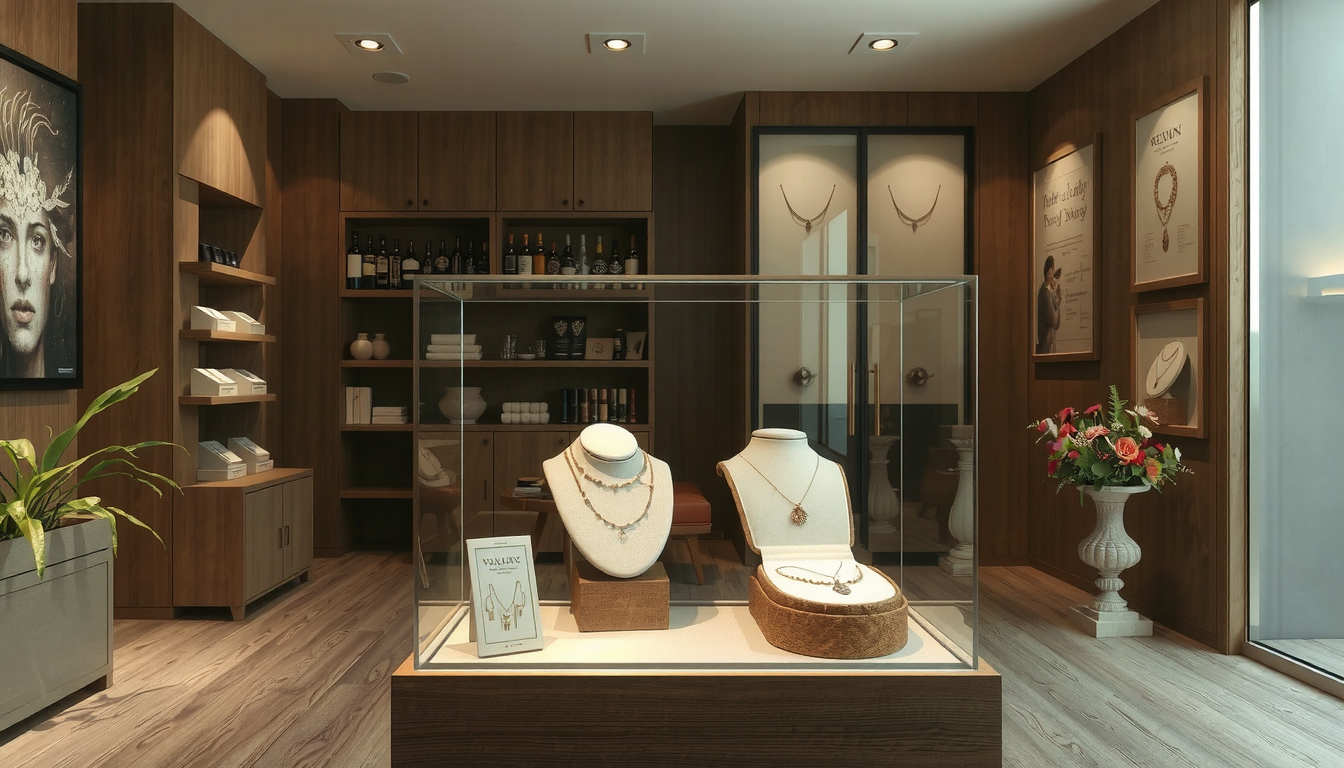
Step 1: Define Your Brand’s Aesthetic
Your displays are central to your shop’s visual identity. The materials and colors you choose tell a story before customers even touch your jewelry.
Think about your brand’s core message. For a luxe and classic feel, use rich materials like black velvet, cream leatherette, and polished dark wood. Modern and minimalist brands work well with clean lines—clear acrylic, brushed metal, and concrete are highly effective. Natural and bohemian brands should use raw wood, linen, and textured burlap.
Step 2: Match Display to Jewelry Needs
This step focuses on practicality. Your jewelry’s physical characteristics determine what display type will protect it and show it off best.
Long, layered necklaces need tall busts or T-bar stands to prevent pooling at the bottom. Delicate chains require individual slots or hooks in trays to stop tangling. A spectacular statement ring deserves its own stand for maximum attention, rather than getting lost in a crowded tray. A quality jewelry display box for shop will always respect the piece’s form.
Step 3: Choose Materials with Purpose
Materials affect both psychology and practicality. They change how jewelry is perceived. Display surface color and texture can dramatically alter how gems or metals appear.
Black velvet or suede is classic for good reason. It absorbs light, making diamonds and faceted gemstones pop with more fire and brilliance. White or cream leatherette creates bright, clean, high-contrast backgrounds. These work perfectly for sterling silver, platinum, or vividly colored gemstones.
Step 4: Balance Interaction with Security
Your display strategy must consider item value and desired customer interaction. Not all jewelry should be displayed the same way.
Lower-priced, high-turnover items like silver studs or simple charm bracelets work well in open counter trays. They encourage touching and trying on, leading to impulse purchases. High-end engagement rings, diamond necklaces, or designer watches need security as the priority. These pieces belong in elegant boxes or on premium stands within locked Showcases & Counters – Glass Display Cases. There, they can be viewed safely and presented by sales associates.
Once you have a clear strategy, explore collections from a specialized jewelry box supplier to find pieces that fit your vision.
Advanced Merchandising: Tell a Story
After selecting the right display tools, arrange them strategically. This is where merchandising becomes art. Transform simple layouts into compelling visual stories that captivate customers.
The Power of Thematic Grouping
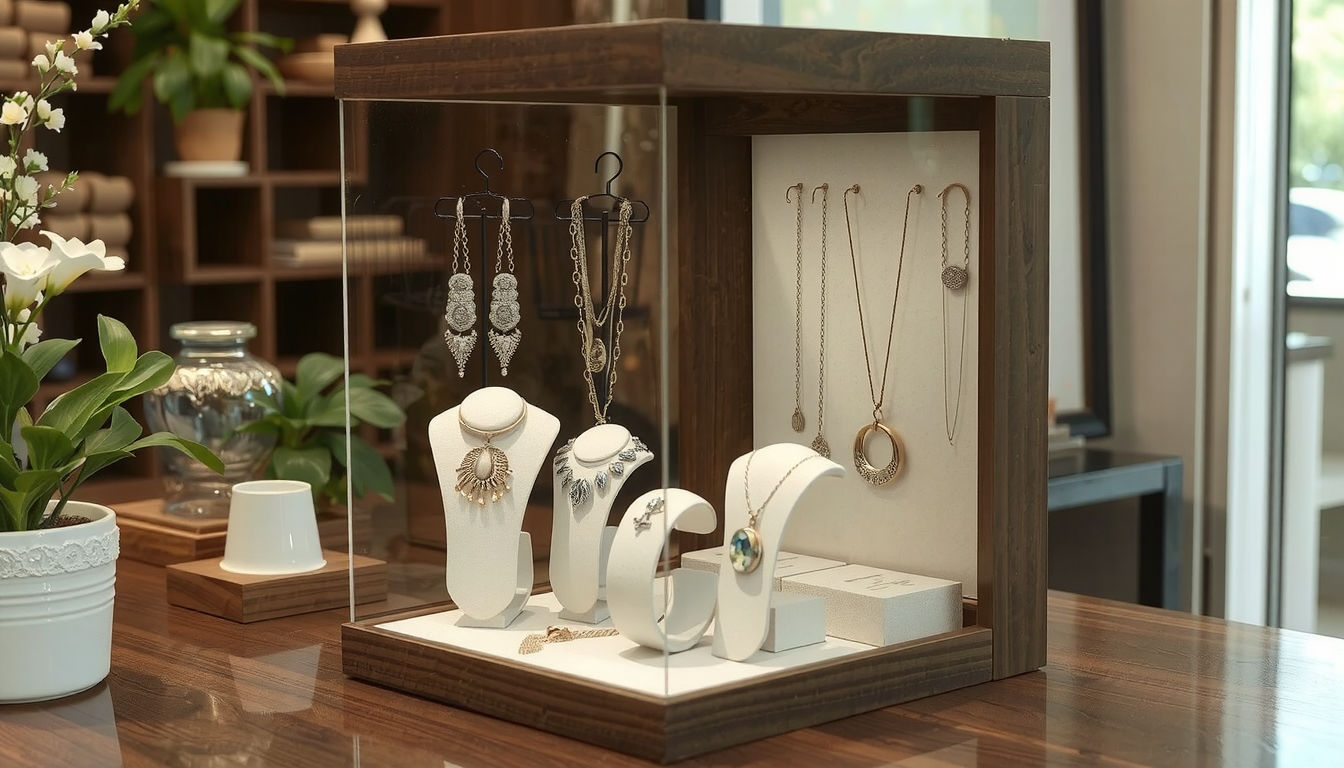
Avoid random product placement. Create focused, curated stories within your display cases. Group jewelry by specific collections, compelling color stories like “Autumn Hues” or “Ocean Blues,” or by material such as “The Pearl Edit” or “A Touch of Gold.” This approach makes your inventory feel intentional. It helps guide customers looking for specific styles.
Mastering Light and Shadow
Lighting is critical and often overlooked in jewelry display. Proper lighting makes the difference between pieces that sparkle and those that look flat. We once worked with a boutique that saw dramatic increases in engagement ring inquiries. They simply replaced overhead lighting with small, focused LED spotlights aimed at each ring’s center stone.
Use crisp, cool-toned spotlights for diamonds to maximize sparkle. For softer gems like pearls or opals, use warmer, more diffused light to bring out gentle luster without washing them out. Right lighting on your jewelry display box for shop is essential for professional presentation.
Creating Visual Hierarchy with Levels
Flat displays are boring displays. Use risers, blocks, and stands of varying heights to create dynamic visual landscapes. We recommend the “pyramid principle.” Place your most important, high-margin piece at the highest point. Then arrange complementary items at lower levels around it. This technique naturally guides customers’ eyes to featured products first. For more inspiration, exploring various Jewelry display ideas for retail can spark new ways to combine elements like risers, bases, and themed props.
Conclusion: Your Silent Salesperson
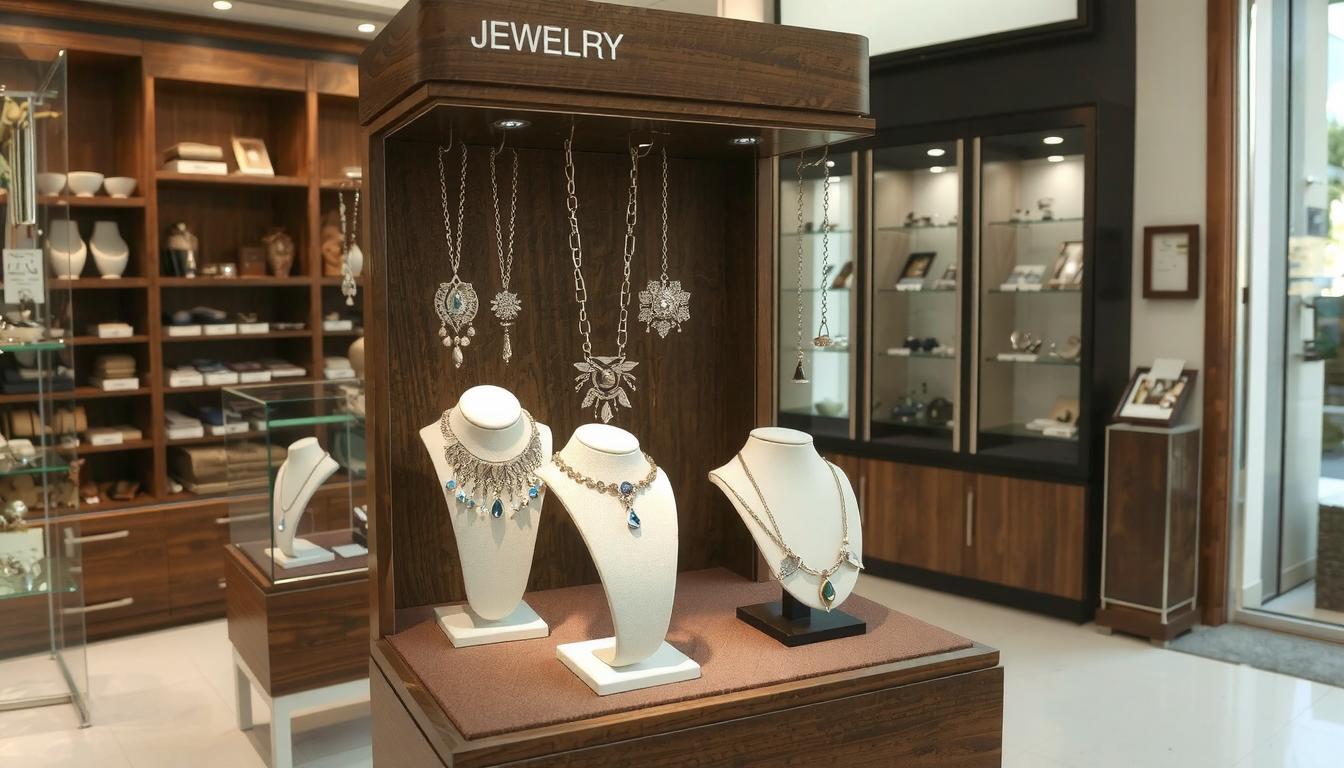 We’ve covered the entire process. You now understand displays’ strategic importance, different available types, and a framework for selection and arrangement. Remember that every jewelry display box for shop is more than just hardware. It’s an essential part of your sales and branding team.
Investing thought and strategy into presenting your collection does more than organize products. You enhance their value, tell your brand’s story, and create environments that turn browsers into loyal customers. This investment pays dividends daily.
Frequently Asked Questions (FAQ)
What is the best color for a jewelry display box?
It depends on your brand and jewelry. Black, charcoal, and navy create dramatic, high-contrast looks that make diamonds and gems sparkle. White, cream, and beige offer clean, modern, bright feels ideal for silver and colorful pieces.
How often should I change my shop’s jewelry displays?
Best practice is refreshing main displays at least monthly or with each new collection or season. This keeps stores looking fresh, encourages repeat visits, and lets you highlight different products.
Can I use the same style of display box for all my jewelry?
While consistent style creates cohesive brand looks, you should use different types of displays suited for each piece. For example, necklace busts for necklaces, ring slots for rings. Using the same color and material across these different types is an excellent strategy.
How do I clean and maintain velvet or leatherette display boxes?
For velvet, use lint rollers or soft-bristled brushes to gently remove dust. For leatherette, wipe with soft, slightly damp cloths. Avoid harsh chemicals. Regular, gentle cleaning keeps them looking professional.
What’s the difference between a jewelry display box and a gift box?
A jewelry display box for shop use is designed for presentation and sales within retail environments. It’s often open, angled for viewing, and built for durability. Gift boxes are designed for packaging sold items. They focus on enclosure and the “unboxing” experience for customers.