A safe deposit box is a very good pick for avoiding theft of valuable jewelry. It allows you to store them in a bank vault that is very securely protected. But security is only one part of the story. How you store your things in the box is not less important.
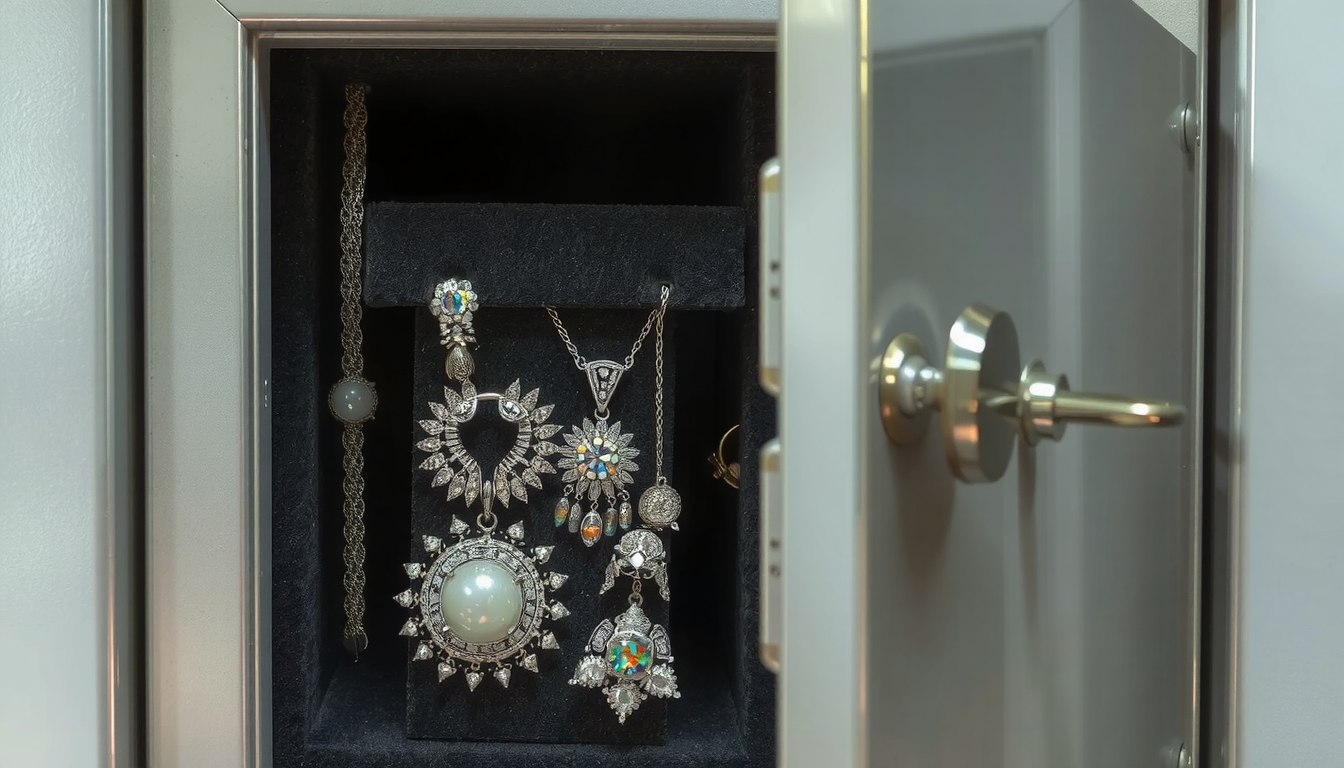
Bad packing can result in chains being tangled, scratched gems, as well as various metals getting into the tarnished state. Some very thin pieces might even get permanently damaged. Just filling the box with them would not help them stay secure in the long run anyway.
This guide is going to lead you through the steps of your jewelry storage journey as you set it up in a safe deposit box. We will highlight everything from prepping your pieces for packing, right through to packing them properly, and we’ll also cover hidden pitfalls and how to get the right insurance for your future peace of mind. So, here you go: The Complete Safety and Care Plan.
What to Do Before You Go to the Bank: 3 Important Steps
Before you lock your jewelry away, these few steps will protect its value and condition. With the time-consuming preparations taken care of now, you’ll have fewer difficulties later. Thanks to this preventative action, you ensure that your items are well documented and ready to be stored.
Step 1: Make a Detailed List
You need to know exactly what is to be stored. A proper list is an indispensable tool and an elixir of peace for both your insurance needs and yourself. We recommend making a simple spreadsheet or document.
This is the information you need to include for each piece:
* Item Description (like “14k gold necklace with 0.5-carat diamond”)
* Photo (clear pictures from different angles)
* Purchase Date
* Purchase Price
* Current Value
* Special Marks (like serial numbers or engravings)
Step 2: Get a Professional Appraisal
An appraisal means you will have a formal valuation of your jewelry. This paper will be your ticket when you buy insurance. Without it, you are unable to prove how much your items are worth when they are lost or damaged.
Look for a certified gemologist to get accurate information. Always keep those documents updated. Get the appraisals every 3-5 years. The prices for gems and metals fluctuate a lot.
Step 3: Clean and Check Your Jewelry
Do not ever store jewelry that is dirty. The oils from your skin, lotions, and dust can cause permanent damage to the piece for months and even years. Cleaning jewelry will keep it in better condition.
For most gold, platinum, and strong stones like diamonds, use warm water with a few drops of mild dish soap. Gently scrub with a soft toothbrush. Rinse and dry with a lint-free cloth.
Pack items only after all of them are perfectly dry. Moisture, which is trapped, is one of the biggest enemies of jewelry in storage. It can cause the metals to tarnish faster and even damage the delicate parts.
The Packing Guide: The Ultimate How-To to Store Jewelry in a Safe Deposit Box
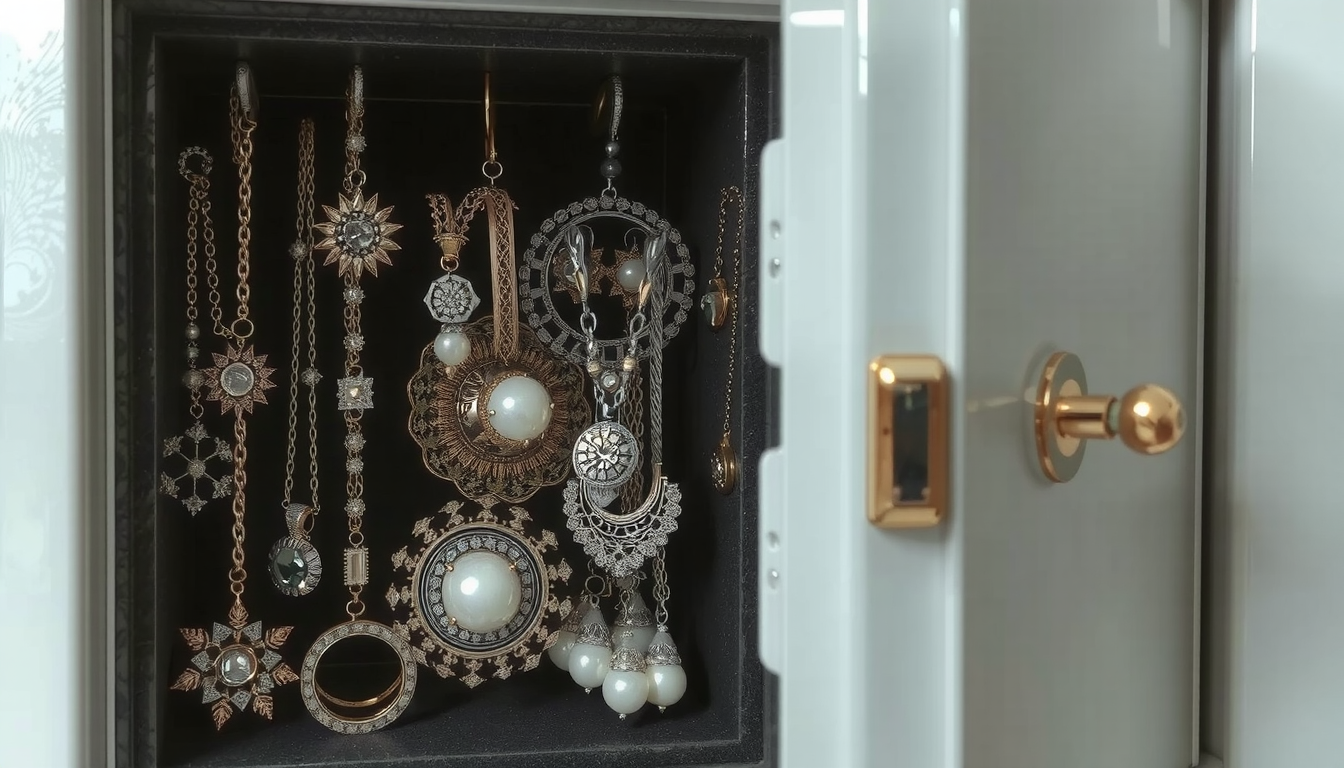
Packing your jewelry well is the most crucial part of the process of learning how to store jewelry in a safe deposit box. Your ultimate goal is to keep them from tangling, scratching, or bumping against each other. Here is a full guide created by an expert how to safely pack your jewelry.
Choosing the Right Materials
The materials you choose to wrap your jewelry can make a big difference. Some can help prevent damage while others can cause it to happen. This table is aimed at getting you a better understanding of the most common options for the storage of jewelry in a safe deposit box.
| Material | Pros | Cons | Best For |
|---|---|---|---|
| Velvet/Suede Pouches | Soft, won’t scratch, gentle on surfaces | Cheap versions can attract dust | Single pieces like rings, earrings, and pendants |
| Acid-Free Tissue Paper | Cheap, great for layering and wrapping | Very little cushioning against impact | Separating flat items and rolling chains |
| Compartment Boxes | Great organization, prevents all contact | Can be bulky and take up more space | Rings, earrings, pendants, and cufflinks |
| Anti-Tarnish Strips/Cloth | Actively prevents silver from tarnishing | Needs replacement every few months | Storing with any silver or silver-plated items |
| Plastic Bags (Warning!) | Airtight, which can seem protective | Can trap moisture; some plastics break down and release harmful fumes | Not recommended unless they are archival-quality polyethylene bags |
The most superior approach employs the use of multi-protectors. A case in point is putting a ring in a small suede bag, then putting that bag in a compartment box. In this way, you get both a soft surface and a hard structure.
Quality of the soft pouches you select has a direct effect on your jewelry collection. Larger collections can be bought in bulk from a supplier that specializes in quality goods which will guarantee you high material standards every time. Among the various alternatives, you will find those available, for instance, in velvet jewelry boxes wholesale to be best for your storage needs.
How to Pack Each Type of Jewelry
Different jewelry types have different storage requirements. A one-size-fits-all method that you apply will only be successful in damaging the items. The correct packing technique for each jewelry piece is as follows:
- Necklaces & Chains: To prevent tangles, thread a fine chain through a plastic drinking straw and clasp it. For thicker chains, lay them flat on acid-free tissue paper and gently roll the paper into a tube.
- Rings & Earrings: Store these separately. Use small, separate soft pouches or a ring roll or box with individual slots. This stops gems from scratching metal and vice versa.
- Bracelets & Watches: Wrap each bracelet or watch in its own soft cloth or pouch. For watches, make sure the crown (the winding knob) isn’t being pressed down. This can drain the battery.
- Brooches & Pendants: Pin brooches to a small piece of velvet-covered cardboard to keep them secure. Put loose pendants in their own small, labeled pouch.
Organizing the Box for Space and Easy Access
When you have sizes to play with in a safe deposit box your chance of organizing it increases manifold. An organized vault helps you to find what you need without having to go through all of them.
You can consider stackable, slim sim jewelry trays or vault-compatible boxes. You can opt for a custom jewelry box manufacturer if you want perfect compatibility.
Mark each pouch or container with a short description telling what’s inside. This practice will not only save you time but also handling. Back-order any items you use the least at the back of the box. Store those more frequently used in the front side.
Right Place, Right Time: Safe Deposit Box Is Not the Only One
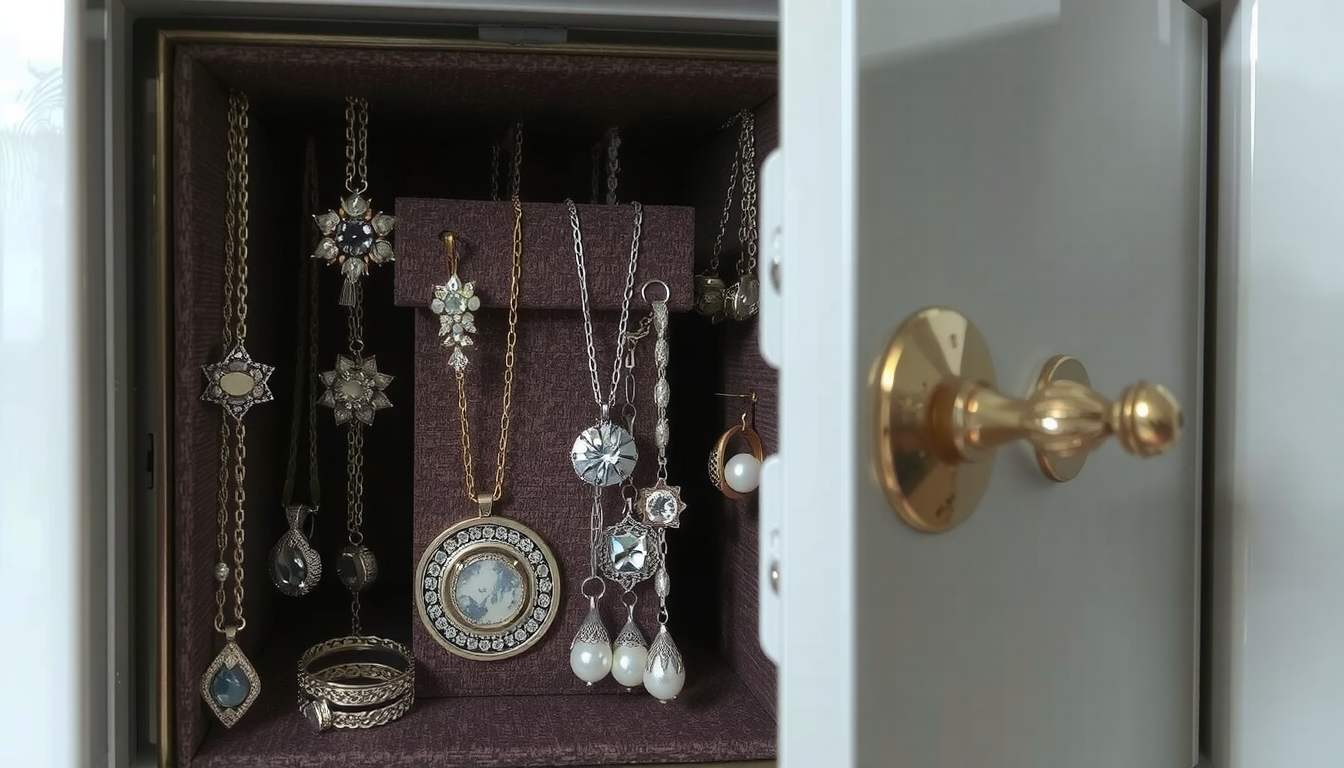
Although it is an excellent method of securing your assets, it is not the ultimate solution for every circumstance. A good balance of advantages and disadvantages ensures you know when use it. This is the fair view you need to make the right choice on how to store jewelry in a safe deposit box.
| Pros | Cons |
|---|---|
| Best security from theft, fire, and flood | Limited access (bank hours only) |
| Steady climate-controlled environment | Contents are NOT insured by the bank or FDIC |
| Complete privacy and peace of mind | Possible environmental damage (extreme dryness) |
| Low yearly cost for high security | Hard to access for frequently worn items |
The “Limited Access” issue is a key one. Let’s say, you receive an invitation to a formal event on a very short notice. If your best jewelry is in the bank, you cannot access them until Monday morning.
The first alternative is the high-quality, professionally installed home safe. A home safe offers comfort, and quick access, as it gives you the best limit-free security. But it does not reach the high protection bars against the most serious disasters or stubborn criminals that a bank vault does.
Managing the Environmental Damage and Insurance
Managing jewelry storage is not just about keeping your items safe but also avoiding the hidden risks. Environmental damage and lack of insurance cover are two of the greatest threats that jewelry safety has to deal with. Here are some tips on how to navigate these issues.
The Environmental Risk: Humidity and Dryness
Bank vaults are climate-controlled, but this usually means they are heavily air-conditioned. Air conditioning removes moisture from the air, creating a very dry environment. As discussions among professional jewelers point out, this dryness can be a serious problem for certain materials.
What NOT to Store (or Store with Extreme Care)
Some gems need moisture levels above zero to stay stable. According to jewelry storage experts, vault dry air can cause them to crack or discolor.
- Pearls, Opals, and Coral: These organic gems contain water. In a dry place, they can dehydrate, crack, or develop a web of fine lines called “crazing.”
- Ivory and Wood: These materials can also become brittle and crack.
- Jewelry with Glued Parts: Old or delicate glues can dry out, causing stones or other parts to fall off.
Ways to Reduce Risk
If you have a very short term, you can create a tiny environment. Put a sensitive item into an airtight bag with a tiny, soft cotton ball (not touching the jewelry) which is damp. But this is just a temporary solution, and it has its own risks like mold if not done correctly.
The best approach is simple; just don’t store those sensitive organic gems in a safe deposit box. These should be ideally kept at home in the correct jewelry box which maintains the humidity level within a moderate range.
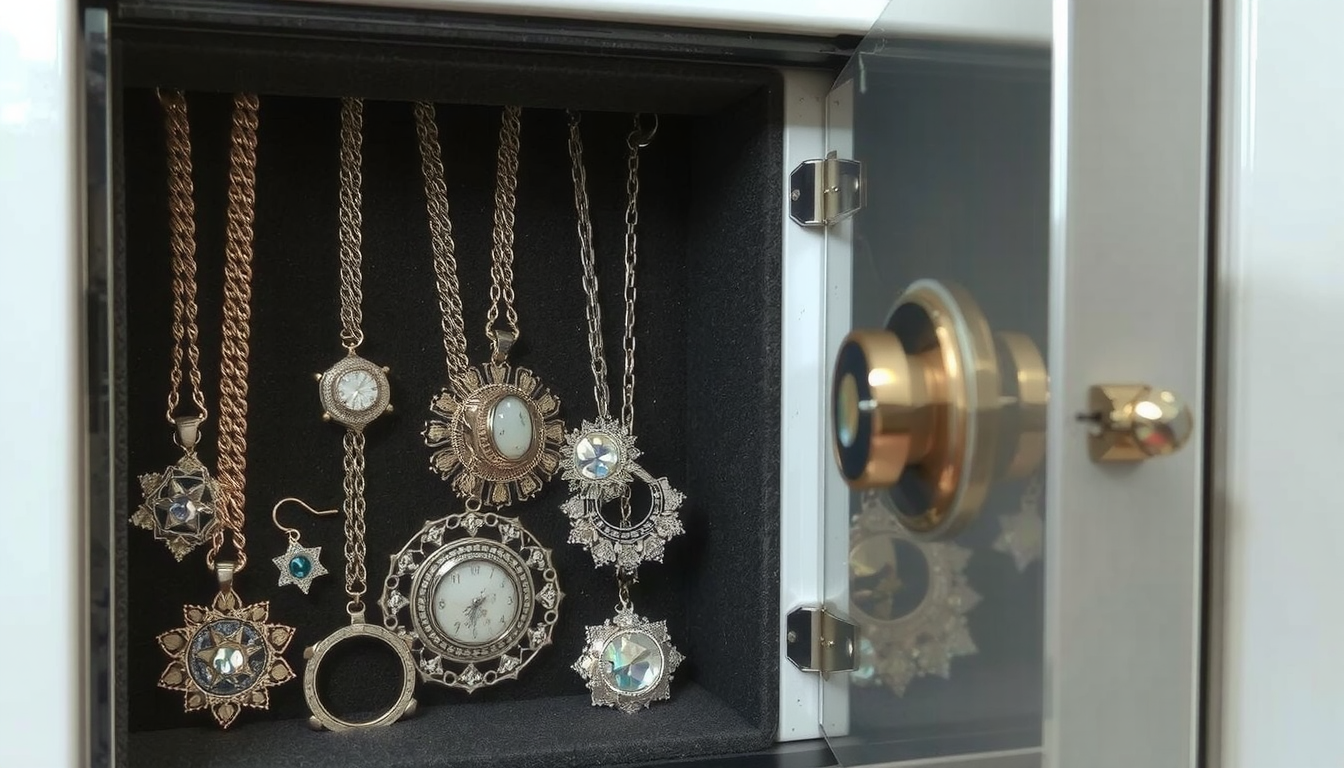
The Financial Risk: Understanding Insurance
This single fact is the most important to note: the contents of safe deposit boxes are not insured by the FDIC. The bank will not insure the contents of your box either unless negligence can be proven which is infrequently the case. Therefore, it is your responsibility to ensure your valuables.
A typical homeowner’s or renter’s insurance policy has very low coverage limits for jewelry, often as low as $1,500 total. This isn’t nearly enough for a valuable collection.
The remedy for this is getting a “personal articles floater” policy which is attached to homeowner’s policies for specific, high-value items. You can also get a standalone jewelry insurance policy. A specialized collections insurance policy has total coverage over valuable items whether they are at your home, in transit, or in a vault.
Your Final Touch, Documentation and Access
You have prepared packed and insured everything you own. Just a few last steps will finalize the security of your plan and ensure that your legacy is safe.
Keeping Records Outside the Box
Your detailed list and appraisal documents are critical. Never store the only copies of these records inside the safe deposit box itself. If something were to happen to the box, you would lose both the items and the proof they existed.
The ideal step is to keep one physical copy at home, in a fire safe box and have a second copy distributed to a trusted family member or a lawyer. It is also very wise to keep a digital copy in a secure cloud storage account.
Granting Other People Access
What would you do if you were unable to access your box because of an emergency, illness, or should you die? You can put a co-lessee (co-renter) on your box. This person will have the same access rights as you.
You may also appoint a deputy or agent. This person can access the box on your behalf but may have more limited rights. What is the right option for your particular situation? Discuss the legal differences with your bank and an estate planner.
Conclusion: The Best Way to Store Your Treasures
A safe deposit box is a clever move if you want to take care of the most valuable jewelry you have. But the real protection comes from both the bank security and your careful preparation. The careful packing that you do is the only thing that can give true preservation.
Do always remember the three most important actions: 1) Inventory and insure every piece, 2) Use soft, separate packing materials to prevent damage, and 3) Keep sensitive gems like pearls and opals out of the vault’s dry air. By following this guide on how to store jewelry in a safe deposit box, you can enjoy years of peace knowing your treasures are intact.
Frequently Asked Questions (FAQ)
Are the contents of my safe deposit box insured by the bank?
No. This is a critical point that many people misunderstand. Neither the bank nor the FDIC insures the contents of your box. You must buy a separate insurance policy, such as a personal articles floater or a standalone policy from a specialized insurer, to protect your valuables.
Can I store pearls or opals in a safe deposit box?
It’s highly recommended that you don’t for long-term storage. The very dry environment in a bank vault can remove the natural moisture from these organic gems. This can cause them to crack, craze, or lose their beautiful luster and value. They’re better kept at home.
How much does a safe deposit box for jewelry typically cost?
The cost depends on the box size and the bank’s location. A small box, often around 3×5 inches, is usually big enough for a jewelry collection and may cost between $50 and $150 per year. Larger boxes will cost more. We suggest calling several banks in your area to compare their prices and see what sizes are available.
What’s better for jewelry: a home safe or a safe deposit box?
This involves a trade-off between security and convenience. A safe deposit box offers the highest level of protection from theft, fire, and natural disasters. A high-quality home safe gives you quick access to your items. Many collectors use a mixed method for storing jewelry: they keep their most valuable and rarely-worn pieces in a safe deposit box and their daily-wear items in a home safe.
How do I create a list of my jewelry for storage and insurance?
Use a spreadsheet or a dedicated app on your phone or computer. For each piece, you should log a detailed description (metal type, stones, weight, any special marks), take clear photos from several angles, and scan digital copies of receipts and appraisal certificates. Store this list in multiple places, such as in the cloud and as a hard copy at home, but never in the safe deposit box itself.