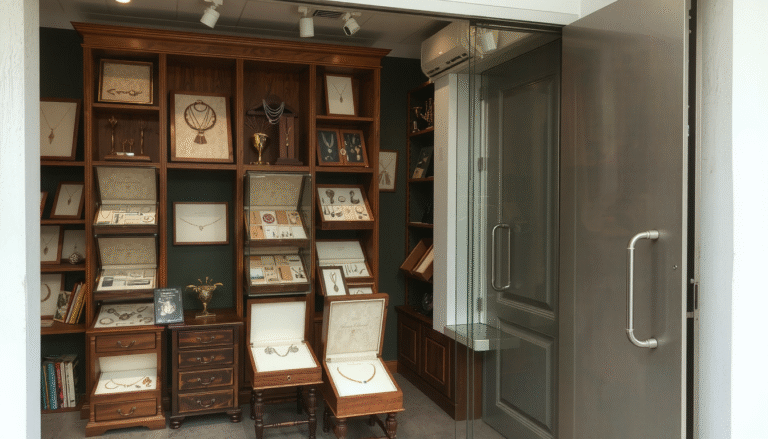
An antique jewelry box is much more than storage. It holds history, keeps memories safe, and often stands as art itself. You might have inherited a family treasure or discovered one at a market. Either way, cleaning it can feel overwhelming.
We don’t want it to look brand new. Our aim is to help you gently protect its character as well as the inherent beauty. With this guide, you’ll discover the most reliable and simple ways to clean and maintain your treasured item. With proper care, it will last for generations.
First Things First: Understanding and Preparing Your Box
Stop before any cleaner touches your box. A careful approach is essential. The golden rule in antique preservation is simple: “do no harm.” This preparatory phase serves as your safety net. It averts common errors before they come into play.
Assess, Don’t Guess: A Quick Inspection Guide
 Every antique is a different story. Each one comes with different materials, a lifetime of experiences, and more. Therefore, you have to learn about your jewelry box first.
Start with the predominant material. Is it a solid wood box? Does it have a thin wood veneer laying on a different base? Some boxes have leather while others could be metal or even papier-mâché.
Open the box and check what it’s lined with. Is it velvet, felt, satin, or paper? Be careful to note its condition well. Look for tears or heavy stains. Check for signs of mildew or musty smells. The lining’s state will influence the way you clean the inside.
The next element to check is the hardware. Are the hinges, clasps, and decorative pieces made of brass, steel, or plated metal? Are they tight or loose? Lastly, check for the maker’s mark or labels. They are often placed inconspicuously at the base or inside the lid, but they may inform you about the history of the piece.
Your Gentle Cleaning Toolkit: What You’ll Need
Getting the right supplies is crucial for safe cleaning. Harsh chemicals and rough tools destroy antique finishes. Here is our recommendation:
- Soft Cloths: Clean, dry microfiber and lint-free cotton cloths.
- Brushes: Soft-bristled brushes work best. Try a mushroom brush, a new soft toothbrush, or small art paintbrushes for dusting tight spots.
- Detailing Tools: Cotton swabs and wooden skewers reach tight corners.
- Cleaning Agents: Distilled water (mineral-free, no residue), mild pH-neutral soap like pure castile soap, and museum-grade wood cleaner or quality paste wax.
- Dust & Debris Removal: A lint roller, compressed air can, and vacuum with soft brush attachment.
The Golden Rule: Always Spot Test!
First, test any solution to be used for cleaning on a small, hidden area. The bottom of the box or the inside corner is a good option. Apply a tiny amount with a cotton swab. Wait, then wipe it away. Check for any bad reactions.
This is something we always want to emphasize. We once were witnesses to the original shellac finish of a beautiful Victorian box getting completely destroyed by harsh cleaner. A simple test on the back could have saved it. Many professional resources on Safe & Effective Tips for cleaning vintage items support these gentle methods. This is by far the number one rule to follow regarding antique items.
How to Clean an Antique Jewelry Box by Material: A Detailed Breakdown
You have made your observations and you have the tools laid out. It is now time to start your job. Because your box likely uses multiple materials, we will categorize cleaning techniques according to each part. This detailed guide on how to clean an antique jewelry box ensures each piece gets proper care.
Cleaning the Wooden Exterior
The wooden exterior usually shows the most wear and dirt. A patient, step-by-step approach produces the best results. It won’t damage the patina.
Basic Dusting and Grime Removal
- Dry Dusting: Start by thoroughly dusting the entire outside with a soft, dry cloth or brush. Use a soft brush or canned air (from a distance) to clear dust from carvings and corners.
- Damp Wiping: Lightly dampen a clean, lint-free cloth with distilled water. The cloth should be well wrung-out, never dripping. Gently wipe the surface to remove surface dirt.
- Mild Soap Solution: For more stubborn dirt, mix a few drops of pH-neutral castile soap into a small bowl of distilled water. Dip a cloth in the solution and wring it out almost completely. Gently clean one small section at a time. Follow immediately with a separate cloth dampened only with distilled water to “rinse.” Then use a third, dry cloth to ensure no moisture remains.

Polishing and Conditioning the Wood
After cleaning, you may want to protect and enhance the wood’s finish. Oil-based polishes attract dust and are hard to remove. Wax-based polishes offer a protective, removable barrier. We almost always recommend quality paste wax for antiques.
Many antique boxes, especially from the 19th and early 20th centuries, used shellac finish. This finish reacts badly to both alcohol and too much water. These can make it turn white or dissolve. Gentle cleaning followed by light paste wax application is the safest care method for this finish type.
Reviving the Interior Lining
The delicate interior needs a different, often drier approach. The method for how to clean an antique jewelry box lining depends heavily on the fabric type.
For Velvet or Felt Linings
- Lift Debris: Start with a lint roller or wrap masking tape around your fingers (sticky side out) and dab the lining. This lifts loose dust, lint, and hair without rubbing it into the fabric.
- Gentle Vacuuming: Use a vacuum with soft brush attachment. To protect delicate fabric, reduce suction by covering the nozzle with nylon stocking secured with a rubber band.
- Spot Treat Stains: For small stains, create a very mild soap and distilled water solution. Dip a cotton swab or cloth corner into the foam on top, not the liquid itself. Gently dab the stain—don’t rub. Blot with a dry cloth right away. As Expert tips and techniques for cleaning fabric linings confirm, you must avoid oversaturation to prevent glue loosening and mold growth.
For Satin or Silk Linings
Satin and silk are more vulnerable to water stains than velvet. Dry cleaning methods should always be your first choice. Use the lint roller and gentle vacuuming techniques described above.
If a stain requires wet cleaning, it is very risky. A commercial dry foam cleaner for upholstery sometimes works, but you should test it thoroughly first. Otherwise, use the dabbing method with a barely-damp cloth and extreme care.
Polishing the Metal Hardware (Hinges, Clasps, and Accents)
More often than not, tarnished hardware can hurt the overall beauty of the box. Cleaning it requires precision to protect the surrounding wood.
Begin by buffing the hardware with a dry, soft cloth. Often, this will suffice to restore some of its lost shine.
For brass or silver that is heavily tarnished, use a non-abrasive metal polish. From years of experience, our best approach is to shield the wood surrounding the hardware with low-tack painter’s tape. Apply a minuscule amount of polish with a cotton swab, and distribute it evenly across the piece. Use either a clean swab or cloth corner to buff it off, and then remove the tape.
Troubleshooting Common Antique Jewelry Box Problems
Sometimes standard cleaning isn’t enough. Here are the most common situations you might face when recovering an old jewelry box and their solutions.
Problem: A Persistent Musty or “Old” Smell
Solution: Fresh air works best. Leave the box open in a dry, well-ventilated, shaded area for several days. Don’t place the box in direct sunlight, which can fade wood and fabric. If the smell still persists, place a small, open container with baking soda, activated charcoal, or unused coffee grounds inside. Close the lid and leave it for a few days for the odor to be absorbed.
Problem: White or Green Spots (Potential Mold or Mildew)
Solution: For spots on exterior wood, gently wipe the area with a cloth lightly dampened with a 1:1 distilled water and white vinegar solution. Dry the surface immediately and thoroughly. If you find significant mold or mildew on interior lining, it may have penetrated the fabric and underlying structure. This often needs professional help to address safely without spreading spores.
Problem: Minor Scratches or Water Marks on the Wood
Solution: For a very light surface scratch, a wax filler stick of a matching color works wonders. For some finishes, white water rings can be treated with the “mayonnaise trick.” Just apply a bit of full-fat mayonnaise on the ring. Let it sit for a couple of hours, then wipe it off. The oils can sometimes displace moisture trapped in the finish. Always test this on a hidden spot first, as effectiveness varies by finish type.

Problem: The Lining is Beyond Cleaning (Torn or Heavily Stained)
Solution: If the lining has rips, shreds, or permanent, ugly stains, you may consider replacing it. Keep in mind that this is a major restoration step that goes far beyond mere cleaning. While it can make the box more useful, replacing original materials will impact its historical value and potentially its worth to collectors. This is an advanced project requiring patience and precision.
Long-Term Care: Preserving Your Antique Jewelry Box for Generations
Once you’ve successfully learned how to clean your antique jewelry box, proper maintenance will keep it beautiful. Preservation is an ongoing process.
The Best Environment for Your Antique
Where you keep your jewelry box matters. It should be placed in a stable environment, away from direct sunlight that could bleach wood and fade fabrics. Avoid places with extreme temperature or humidity fluctuations, including damp basements, hot attics, or spots right next to radiators.
A Quick Guide to Dos and Don’ts
- DO: Dust regularly with a soft, dry cloth to prevent buildup.
- DO: Handle the box with clean hands to avoid transferring oils.
- DO: Check the hardware regularly to ensure it stays secure.
- DON’T: Use commercial, all-purpose cleaning sprays or silicone-based polishes.
- DON’T: Overload the box with heavy jewelry that could stress hinges and structure.
- DON’T: Place any wet or damp items inside the box.
Expanding Your Collection Safely
 Preserving an antique piece is rewarding. If you’re looking to expand your collection with modern, high-quality storage to protect all your treasures, exploring options from a specialized jewelry box supplier can ensure every piece has a safe and beautiful home.
Conclusion: Cherishing the Story of Your Jewelry Box
Cleaning an antique jewelry box is an act of stewardship. The process is not about aggressive perfection but rather gentle preservation. The aim is to reveal the box’s natural beauty while honoring the patina, small faults, and the character it has gained throughout its life. By following these careful steps, you haven’t just cleaned a box. You have helped carry its story forward.
Frequently Asked Questions (FAQ) About Cleaning Antique Jewelry Boxes
Can I use commercial wood polish like Pledge on my antique jewelry box?
We strongly advise against it. Many commercial polishes contain silicone, oils, and solvents that create a sticky layer on the surface over time. In the worst-case scenario, they can cause permanent damage to delicate antique finishes like shellac or French polish. It is always safer to stick with quality paste wax or a cleaner specifically made for antiques.
How can I clean the tiny, intricate carvings on my box?
A soft, dry brush is your best tool for these areas. A small, new paintbrush or soft-bristled toothbrush works perfectly to remove dust from crevices without causing scratches. For deeply packed grime, you can use a wooden toothpick with extreme care. A can of compressed air, used in short bursts from a safe distance, can also work well.
The key is lost and the lock is tarnished. How do I clean it?
To clean a tarnished lock mechanism, carefully apply non-abrasive metal polish with a cotton swab. Take great care to keep polish off the surrounding wood. Buff it gently with a clean swab. If the lock is stuck, forcing it is risky. A tiny drop of penetrating oil might help, but it’s often best to consult a locksmith or antique restorer to avoid breaking the delicate mechanism.
My jewelry box has mother-of-pearl or ivory inlay. How do I clean that?
Inlay materials are extremely delicate and often held with old, brittle glue. Clean them only with a soft cloth very lightly dampened with distilled water—it should feel almost dry. Never use soap, vinegar, or other chemicals, as they can seep under the inlay and cause it to discolor, lift, or fall out. Dry the area immediately after wiping.
How often should I clean my antique jewelry box?
Light dusting every few weeks should be enough for regular maintenance. A deep clean, as detailed in this guide, is only necessary when the box is visibly dirty, has been in long-term storage, or has picked up grime. This might be once every few years or simply when needed. Over-cleaning can cause more wear than neglect.