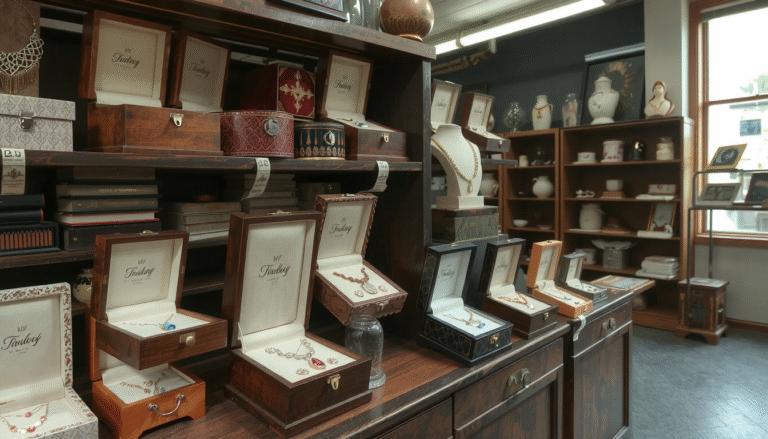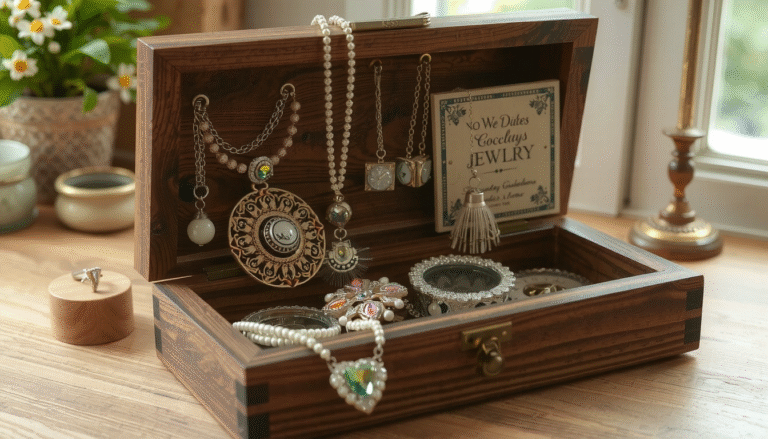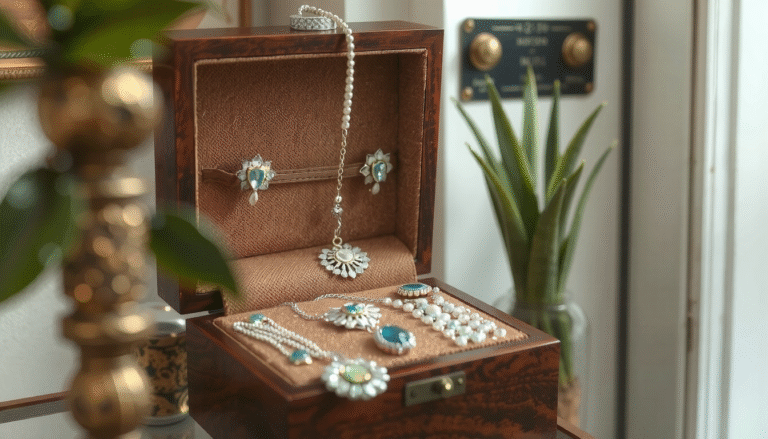
Tangled necklaces. A single missing earring. Your favorite silver bracelet has lost its shine. These are the quiet frustrations of a jewelry collection without a proper home. When you shop for a jewelry box, you’re not just buying storage. You’re investing in the care and preservation of your most cherished pieces.
Finding the right one can feel overwhelming. But it comes down to a few key decisions. This guide will walk you through a professional’s approach to selecting the perfect organizer for your treasures.
The 5-Point Quick-Check for Your Perfect Jewelry Box
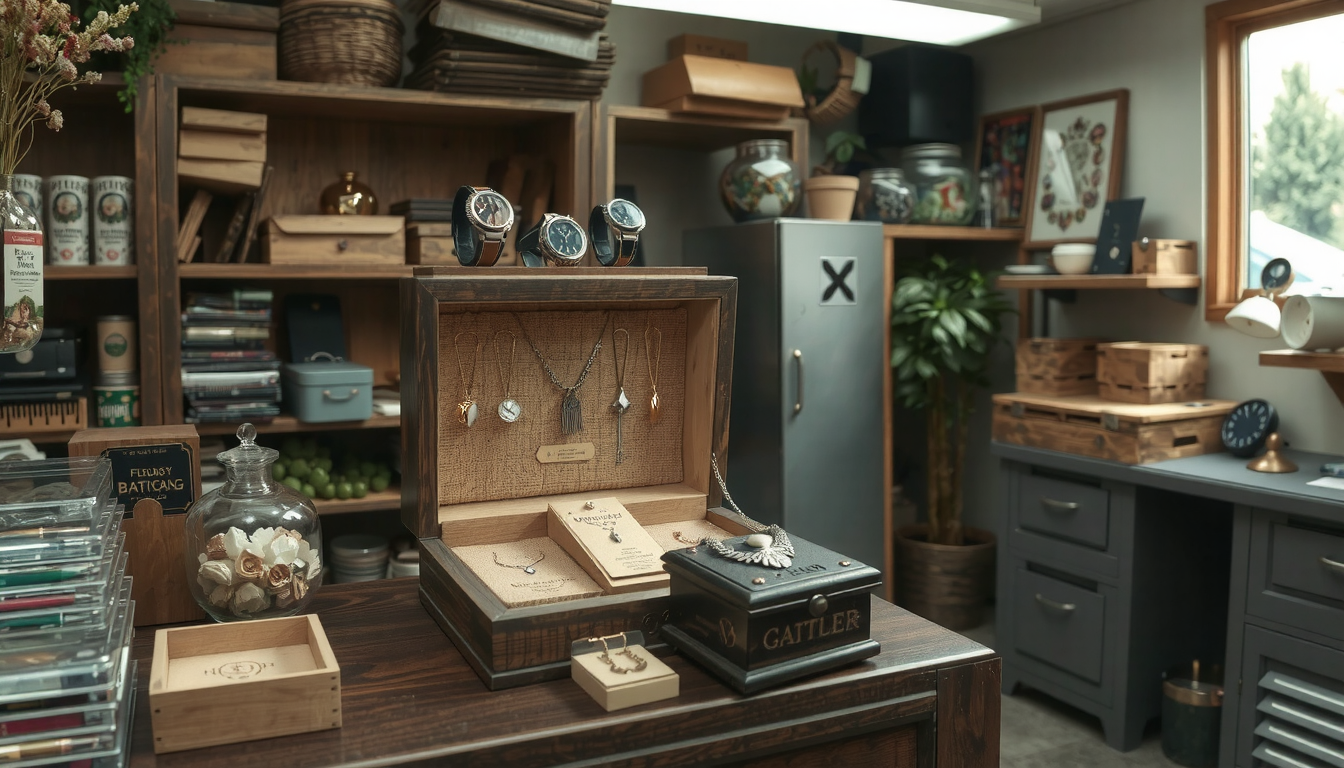 Before you begin your search, do a quick personal inventory. This will save you hours of indecision. Answer these five questions. They’ll give you a clear blueprint for what you truly need.
- Collection Size: How many pieces do you own? How quickly is your collection growing? Be realistic about your future needs.
- Jewelry Types: Do you have mostly rings and earrings? Or are long necklaces and chunky bracelets your mainstays?
- Material & Lining: What material best protects your jewelry? What complements your room’s decor?
- Key Features: Are a lock, a built-in mirror, or an anti-tarnish lining non-negotiable for you?
- Space & Style: Where will the box live? On a dresser, in a closet, or mounted on a wall?
Step 1: Start with Your Collection, Not the Box
The most common mistake people make when they shop for a jewelry box is choosing a design before considering what needs to go inside it. The secret to a successful purchase is simple. Let your personal collection dictate the form and function of its new home.
This “collection-first” framework ensures you buy a box that solves your specific storage problems. It prevents the buyer’s remorse that comes from a beautiful but impractical purchase.
For the Necklace Lover: Preventing the Tangle
There is nothing more disheartening than reaching for a delicate chain only to find it hopelessly knotted with two others. I’ve spent countless minutes painstakingly untangling fine gold. This process risks damaging the links.
The solution is vertical storage. Look for jewelry boxes or armoires with side doors that swing open to reveal rows of hooks. This allows each necklace to hang freely. It completely eliminates tangles and makes your selection effortless. Individual pouches or long, narrow compartments are also effective alternatives.
For the Ring & Earring Enthusiast: Secure and Visible
If your collection is rich with rings and earrings, you need specialized compartments. Cushioned ring rolls are essential. They hold bands securely upright, protecting them from scratches and making them easy to see.
For earrings, look for padded sections with pre-punched holes for studs. Small, divided compartments work well for dangles and hoops. This keeps pairs together and prevents them from getting lost or scratching other pieces.
For Bracelets & Watches: Avoiding Scratches
Chunky bracelets, bangles, and watches require more space. Storing them together in a small drawer is a recipe for scratches and scuffs.
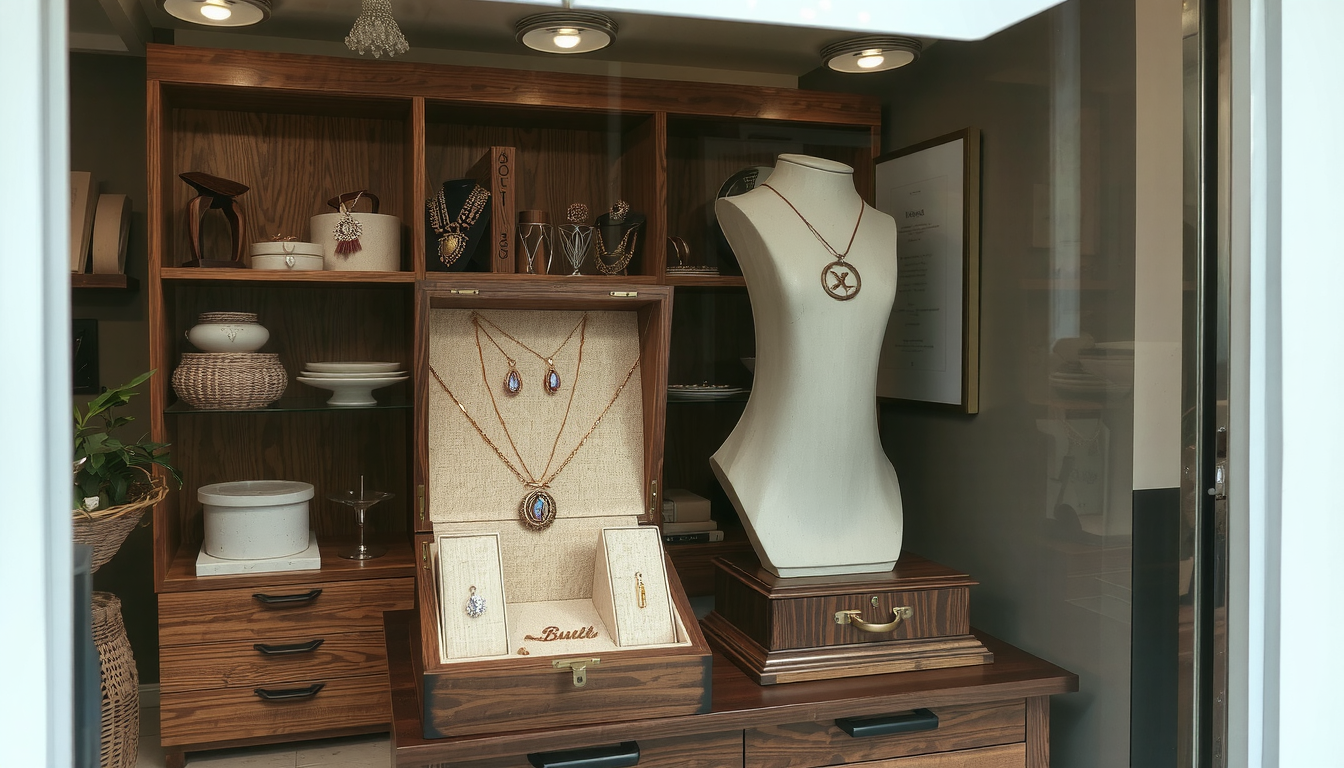
Choose a jewelry box with wide, open compartments or individual watch pillows. These soft, cushioned mounds hold a watch or bracelet in its natural shape. They protect the face and band while preventing it from knocking against other items.
For Fine & Heirloom Pieces: Prioritizing Protection
Irreplaceable items demand the highest level of protection. This includes family heirlooms or fine jewelry with delicate gemstones. The first line of defense is a soft, non-abrasive lining like velvet or microsuede.
Additionally, consider a box with a separate, secure drawer or a locking mechanism. This safeguards your most valuable pieces from both environmental harm and unwanted access.
Step 2: A Guide to Jewelry Box Types and Styles
Once you’ve analyzed your collection, you can begin to explore the different types of jewelry storage available. Understanding these categories will help you narrow your search. You’ll find a style that matches your needs and space.
The Classic Jewelry Box
This is the traditional dresser-top model. It typically features a hinged lid, a top tray with various compartments, and one or more drawers below. It’s a versatile choice for small to medium-sized collections.
The Jewelry Armoire
For the serious collector, an armoire is a free-standing piece of furniture. It offers extensive storage with numerous drawers, necklace cabinets, and often a large mirror. This makes it a complete dressing station.
The Travel Jewelry Case
Compact, secure, and often zippered or snapped shut, a travel case is designed to protect your jewelry on the go. It features specific compartments to prevent items from shifting and tangling during transit.
Wall-Mounted Organizers
An excellent space-saving solution, these organizers hang on a wall or the back of a door. They often feature a mix of hooks, bars, and mesh to display your jewelry. This turns your collection into a piece of art.
Stackable Trays & Drawer Inserts
This modular approach offers ultimate customization. You can buy individual trays designed for specific jewelry types and stack them on a dresser. Or arrange them inside a drawer for discreet, organized storage.
Step 3: Decoding Materials: From Classic Wood to Modern Acrylic
The material of a jewelry box affects its durability, aesthetic, and the level of protection it offers. Your choice will depend on your personal style, the type of jewelry you own, and your budget. Choosing the right jewelry storage material is a key part of the process.
| Material | Pros | Cons | Best For… |
|---|---|---|---|
| Wood (Oak, Walnut, Cherry) | Durable, timeless aesthetic, excellent protection, often heirloom quality. | Can be heavy and more expensive. | Long-term, elegant storage on a dresser or vanity. |
| Leather & Faux Leather | Sleek, modern, and sophisticated look. Lighter weight, great for travel. | Quality can vary significantly; can show scuffs and wear over time. | A contemporary style and for those who value portability. |
| Velvet & Fabric | Very soft and non-abrasive interior. Provides a classic, luxurious feel. | Offers little structural protection; can attract dust and lint. | The interior lining of any quality box or for soft travel pouches. |
| Acrylic & Glass | Modern, minimalist look. Allows you to see your entire collection at a glance. | Can scratch easily; offers no protection from light or tarnish. | Displaying fashion jewelry and for those who enjoy a visual inventory. |
Step 4: Don’t Overlook the Details: Features That Elevate a Jewelry Box
The difference between a good jewelry box and a great one often lies in the details. These features might seem small. But they provide significant benefits in terms of protection, longevity, and user experience.
The Magic of Anti-Tarnish Lining
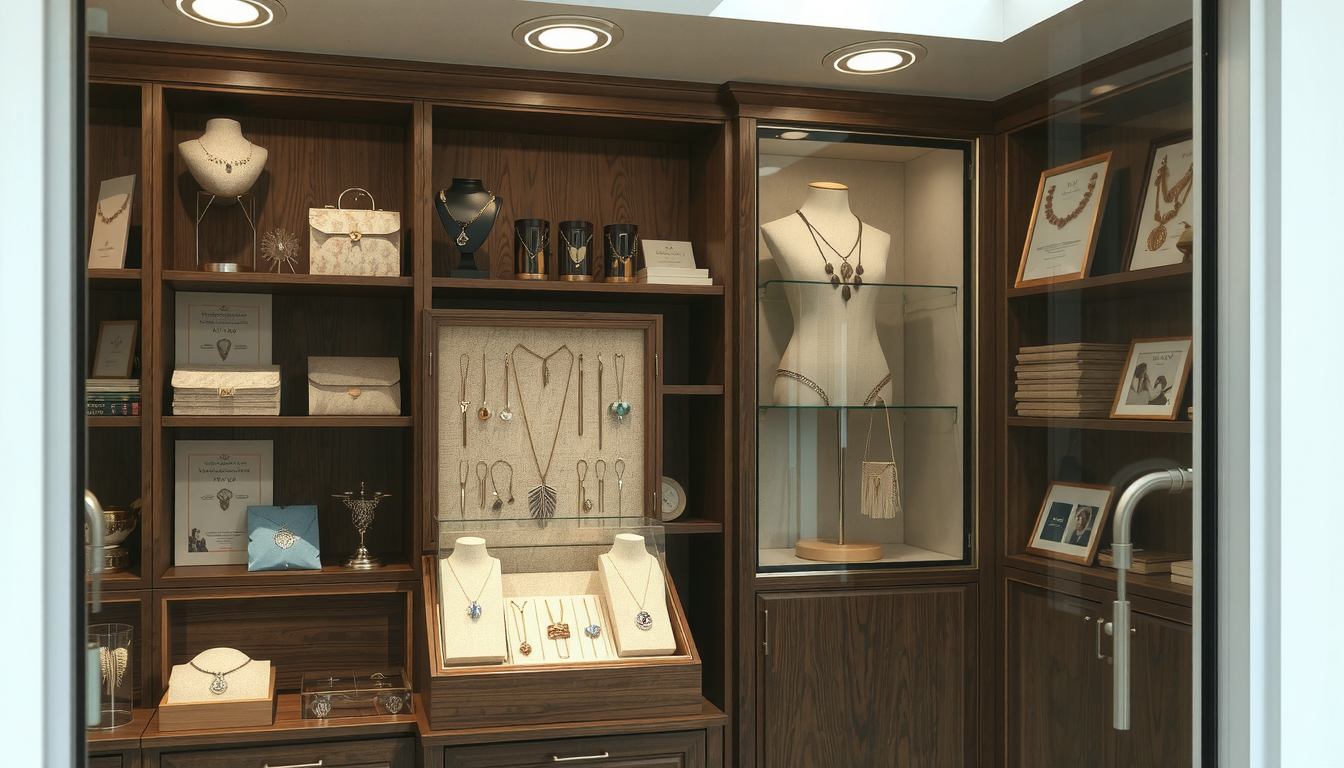
This is one of the most important features for anyone who owns sterling silver. Anti-tarnish lining is a specially treated fabric that absorbs airborne sulphurous gases. These are the primary culprits behind tarnish. It dramatically reduces the need for polishing and preserves the brilliant shine of your silver pieces.
Compartments, Dividers, and Modularity
A truly functional jewelry box will offer a variety of compartment sizes. Even better are those with removable or adjustable dividers. This modularity allows you to reconfigure the layout as your collection evolves. It ensures the box remains useful for years to come.
Quality Hardware and Construction
Pay attention to the build quality. Drawers should glide smoothly without sticking. Hinges on the lid and side doors should feel sturdy and operate silently. The knobs and pulls should be securely attached. As you shop for a jewelry box, remember that expert reviews, like those from The New York Times’ Wirecutter, often emphasize that build quality and functional design are what separate the best jewelry organizers from the rest.
Locks and Security Features
A lock can be a practical feature for safeguarding valuable items. This is especially true in a shared living space or homes with children. However, be aware that many locks on lower-priced boxes are more decorative than functional. If security is a top priority, look for a box with a sturdy, key-operated lock.
Where to Shop for a Jewelry Box: Finding Your Perfect Match
Now that you know exactly what to look for, you can start the exciting part: shopping. There are many places to find the perfect jewelry box. Each caters to different styles, needs, and budgets.
Department Stores and Home Goods Retailers
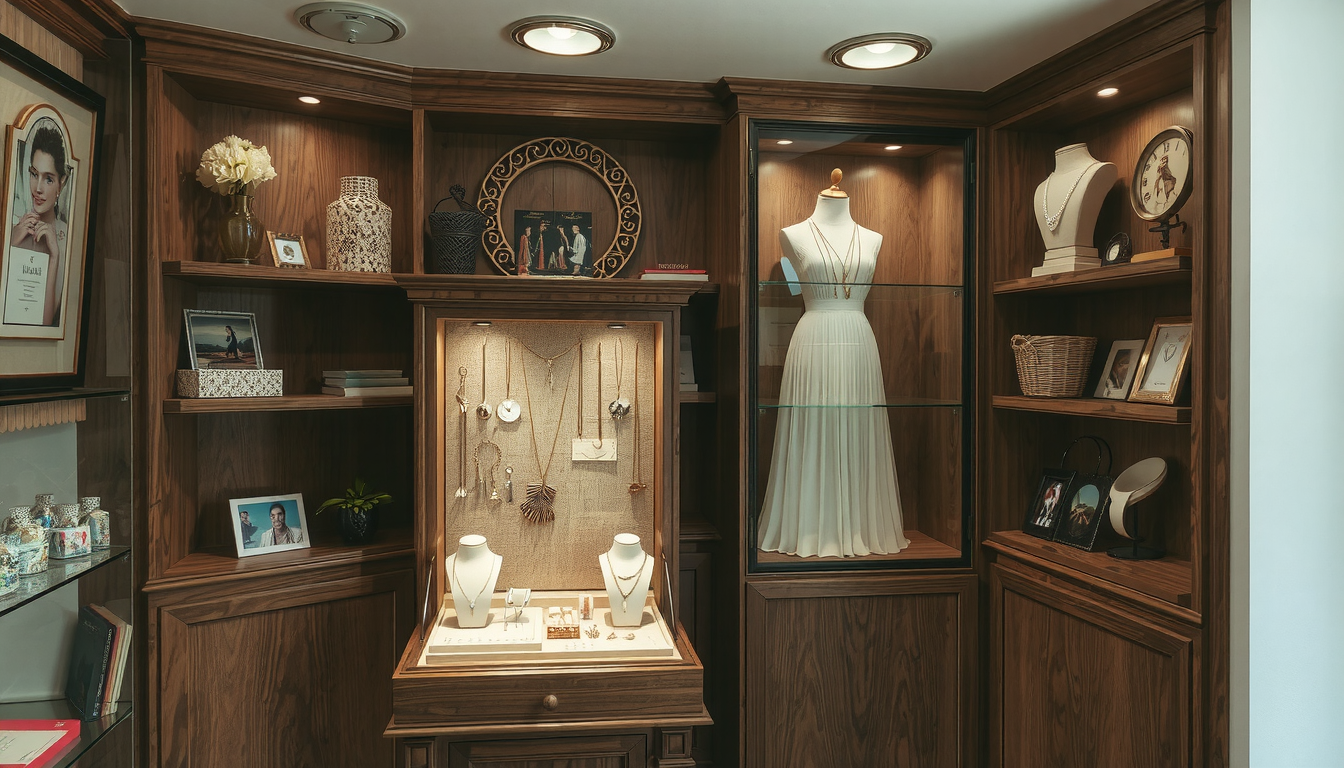 These are great places to start because you can see and handle the products in person. You can assess the build quality, feel the lining, and check the compartment sizes. Major retailers like Target offer a diverse selection of stylish and functional jewelry boxes that cater to a wide range of tastes.
Specialty and Wholesale Suppliers
For those seeking professional-grade storage, custom options, or bulk quantities for gifting, exploring a dedicated provider is an excellent choice. For a wide range of specialized solutions, consider a jewelry box supplier like Jewelry Box Supplier Ltd.. These suppliers often have a deeper inventory and more specialized products.
Online Marketplaces and Artisan Sites
Websites like Etsy are treasure troves for unique, handmade, or vintage jewelry boxes. If you’re looking for a piece with character and a personal touch, this is the place to look. You can often communicate directly with the artisan to request custom features.
Jewelry Stores and Gifting Suppliers
Jewelry stores themselves often carry a curated selection of high-quality boxes. For simpler presentation needs, such as for gifts or retail display, you can find wholesale cardboard jewelry boxes from specialized packaging companies that are both affordable and effective.
Frequently Asked Questions (FAQ) about Shopping for a Jewelry Box
1. How do I stop my necklaces from tangling in a jewelry box?
The best way to prevent tangles is to use a box with dedicated necklace hooks. These are often found in vertical armoires or in the side panels of larger boxes. This allows each chain to hang separately. For travel, a jewelry roll with individual snaps for each necklace is the most effective solution.
2. What is an anti-tarnish lining and is it worth it?
An anti-tarnish lining is a fabric treated to absorb airborne pollutants that cause metals, especially silver, to tarnish. It is absolutely worth it if you own sterling silver. It significantly slows down the tarnishing process. This saves you time and effort on cleaning while keeping your pieces ready to wear.
3. Is a wooden or a leather jewelry box better?
This depends on your priorities. Wooden boxes generally offer superior durability, a timeless aesthetic, and are often considered heirloom pieces perfect for a permanent spot on a dresser. Leather boxes provide a sleek, modern look. They are lighter and are often better suited for travel or contemporary decor.
4. How much should I spend on a quality jewelry box?
Prices can vary greatly. Simple, functional organizers can be found for under 75 and $200. High-end wooden armoires or designer boxes can cost several hundred dollars or more.
5. What is the best type of jewelry box for a small room?
For small spaces, maximize vertical real estate with a wall-mounted organizer. Another excellent option is a set of stackable jewelry trays that can be kept neatly inside a dresser drawer. This keeps surfaces clear. A compact, multi-level box with several drawers is also more space-efficient than a large, single-layer one.