Does your morning start with tangled necklaces? Do you constantly hunt for a matching earring? You are not alone. A messy jewelry box is a common problem, but we can fix it together.
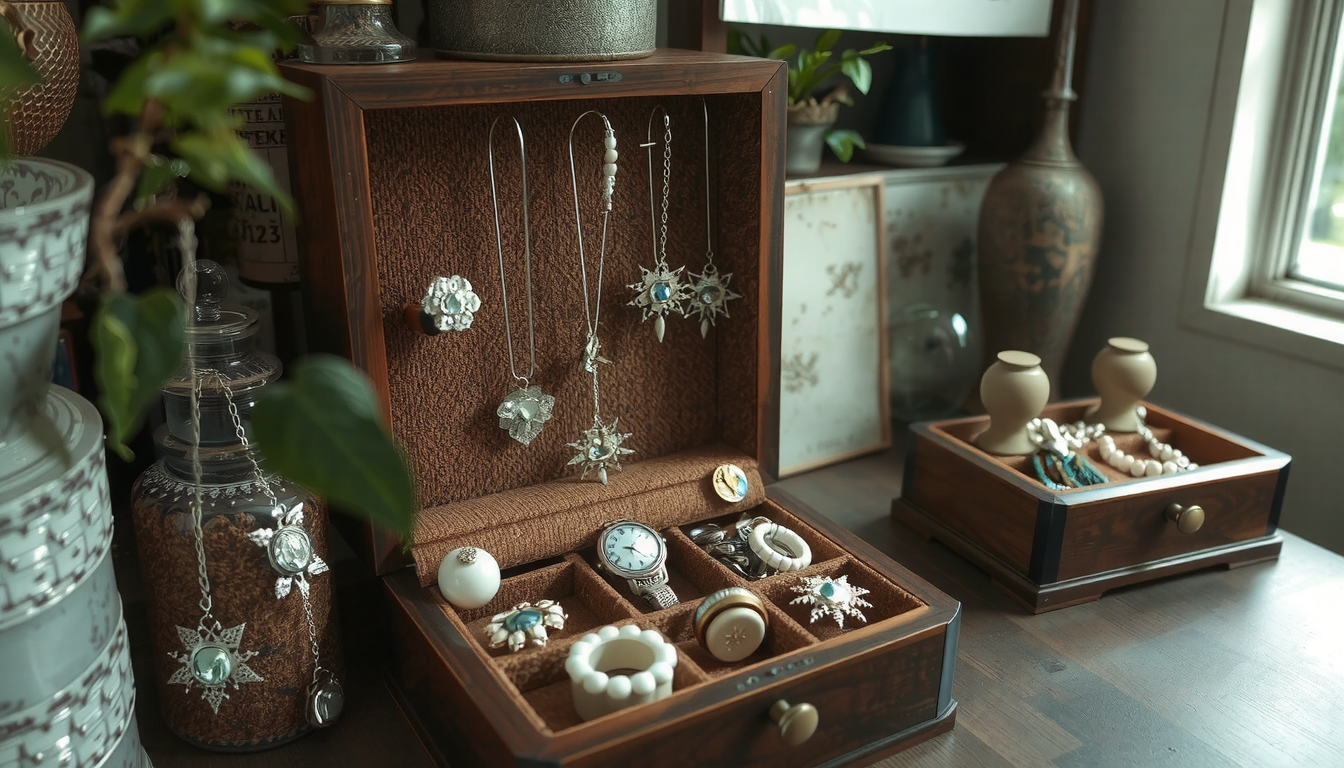
An organized collection keeps your jewelry safe from scratches. It saves you time every day. You might also find pretty pieces you completely forgot about.
This guide will show you exactly how to organize a jewelry box. We will walk you through simple steps to create a system that works. Let’s turn that mess into order.
Before You Begin: Your 15-Minute Prep Kit
A little preparation makes everything much easier. Getting a few simple supplies first means you can focus on your task without interruption. This small step helps you succeed.
Here is what you will need to get started:
- A soft towel or cloth to protect your jewelry and furniture.
- Several small bowls or trays for sorting your pieces.
- A soft jewelry cleaning cloth.
- Gentle jewelry cleaner (optional). A simple mix of mild soap and water works well for many items.
- A mirror for trying on pieces as you sort.
- Small zip-top bags for items that need repair or are being stored away.
We suggest laying a large, soft towel down first. This protects your furniture. It also stops small items like earring backs from rolling away. Trust us on this one!
The Core Method: A 5-Step Guide to Declutter and Sort
This five-step method breaks down how to organize a jewelry box into easy steps. It turns a big task into a simple project.
Step 1: The Great Emptying
First, take every single item out of your jewelry box. Place everything on the soft towel you laid out. This step is about starting fresh.
Seeing your whole collection in one place helps you understand what you own. This first step is widely suggested, as noted in a comprehensive guide from wikiHow, because it works best.
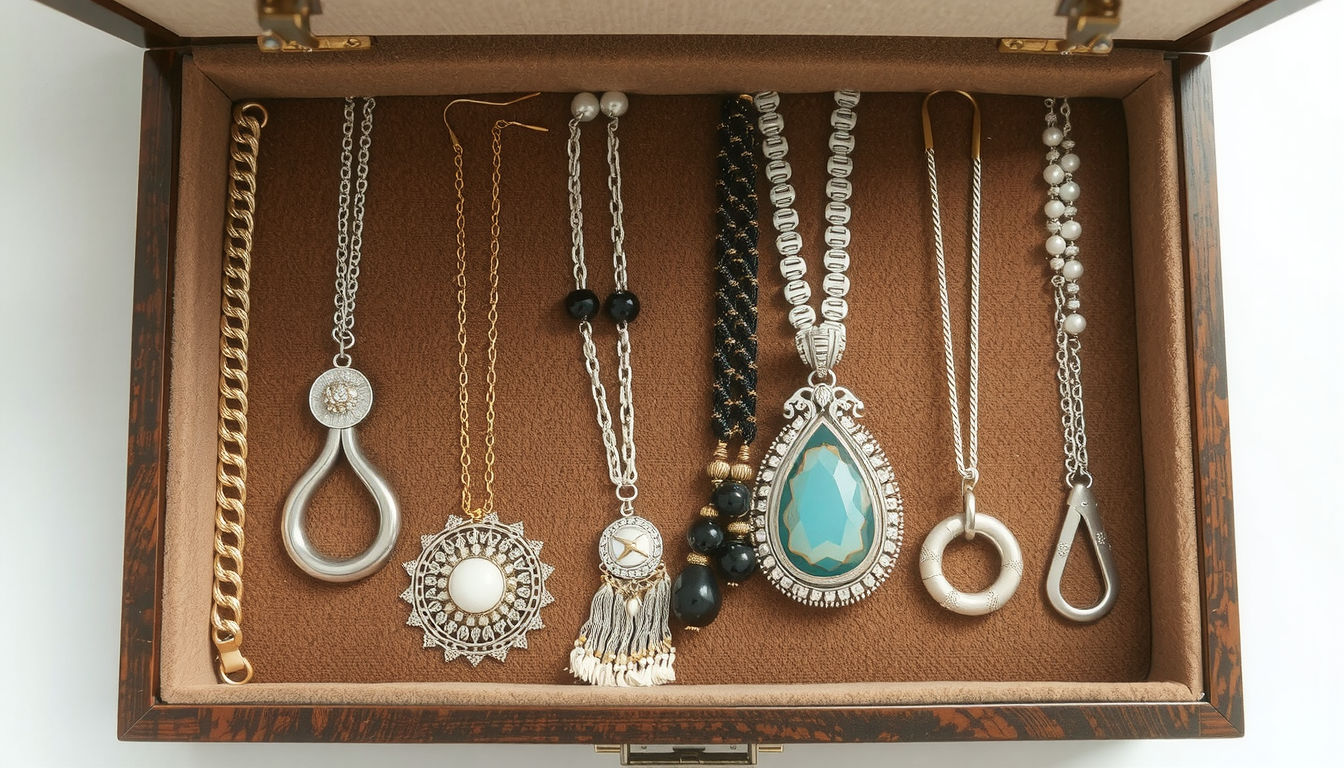
Once empty, take a moment to wipe down the inside of your jewelry box. Clean out any dust from all the spaces.
Step 2: The Triage: Keep, Repair, or Part Ways
Now it is time to sort your collection into groups. Make separate piles for each category. This is the most important part of cleaning up.
- Keep: These are the pieces you love and wear often. If an item brings you joy, it goes in this pile.
- Repair: This pile is for items with broken clasps, missing stones, or other damage. Put single earrings here, too. You can turn a lone earring into a pretty pendant or pin later.
- Donate/Sell: For jewelry that is in good shape but no longer fits your style.
- Part Ways: This is for pieces that are broken beyond repair, badly tarnished, or have seen better days.
If you have not worn a piece in over a year and feel no special connection, give yourself permission to let it go. It will make room for the jewelry you truly love and wear.
Step 3: Clean and Polish Your Treasures
Before putting your “Keep” pile away, it is a good idea to clean it. Dirt, oils, and lotions can build up on jewelry. This makes it look dull or get damaged over time.
For most pieces, a gentle wipe with a soft, dry jewelry cloth is enough. Be extra careful with delicate items like pearls or soft stones. A quick clean makes your jewelry sparkle and ready to wear.
Step 4: Categorize for Clarity
Next, we will organize your “Keep” pile. Grouping similar items together makes everything easier to find. This sort is the base for an organized jewelry box.
Create smaller groups based on type. Common groups include:
- Necklaces & Pendants
- Bracelets & Bangles
- Rings
- Earrings (Studs, Hoops, Dangles)
- Brooches & Pins
- Fine Jewelry vs. Costume Jewelry
Step 5: The Untangling Masterclass
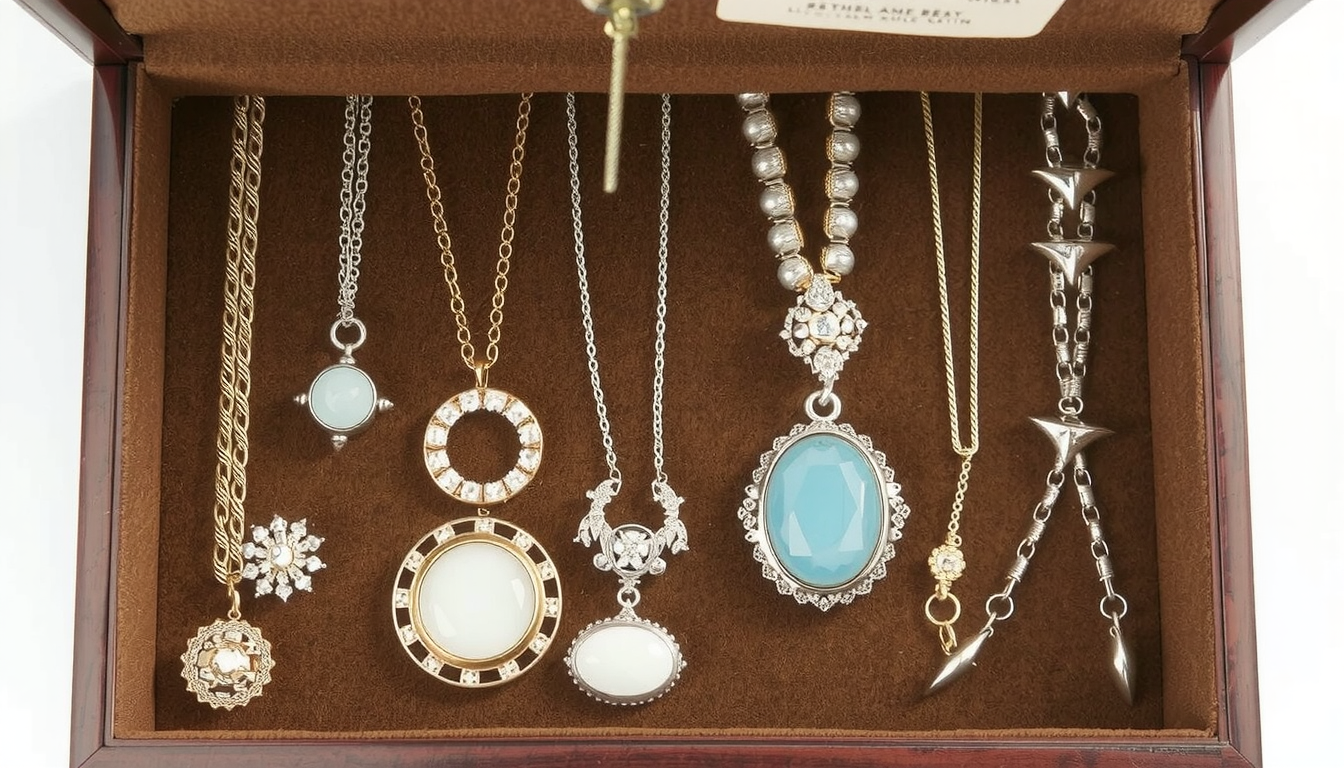
Tangled chains are one of the biggest problems. If you have a knot of necklaces, do not pull on them. This can break delicate chains.
Instead, place the tangle on a flat surface. Add a tiny drop of baby oil or mineral oil to the knot to help it loosen. Use a pin or a needle to gently work the chains apart. A little patience here will save your favorite necklaces from damage.
The Art of Strategic Placement: Zoning Your Jewelry Box
Now for the fun part: putting everything back. Instead of just placing items anywhere, we will use a method called “zoning.” Think of your jewelry box like a small city. Different areas are for different types of jewelry.
This system is better than simply grouping like items together, as it is based on your specific lifestyle. It makes finding the perfect piece for any occasion fast and easy.
Here is a sample zoning plan you can change:
| Zone Name | Location in Jewelry Box | Types of Jewelry | Purpose |
|---|---|---|---|
| Prime Real Estate | Top layer or easiest-to-access drawer | Everyday rings, simple necklaces, stud earrings | Grab-and-go pieces you wear daily or weekly. |
| Work/Office District | A dedicated, easily visible section | Professional, understated pieces | Items suitable for a professional setting. |
| Evening & Occasion Avenue | A separate drawer or a protected section | Statement necklaces, cocktail rings, fancy earrings | Special pieces for nights out or formal events. |
| Sentimental Square | A safe, perhaps less-accessed spot | Heirlooms, gifted items | Precious items that need safe storage. |
Feel free to create zones that make sense for you. You might have a “Vacation” zone or a “Colorful” zone. A well-designed box is the base for good organization. For those with growing collections, exploring different https://jewelryboxsupplierltd.com/ options can be a game-changer.
Smart Solutions for a Protected Collection
How you store your jewelry is just as important as how you organize it. Using the right methods and materials will prevent tangles, scratches, and tarnish for years to come. This is key to properly organizing a jewelry collection.
The Importance of the Right Interior
The inside of your jewelry box matters. As jewelry experts advise, soft surfaces are critical for protecting your pieces from scratches. Hard surfaces like plastic or wood can damage delicate metals and gemstones over time.
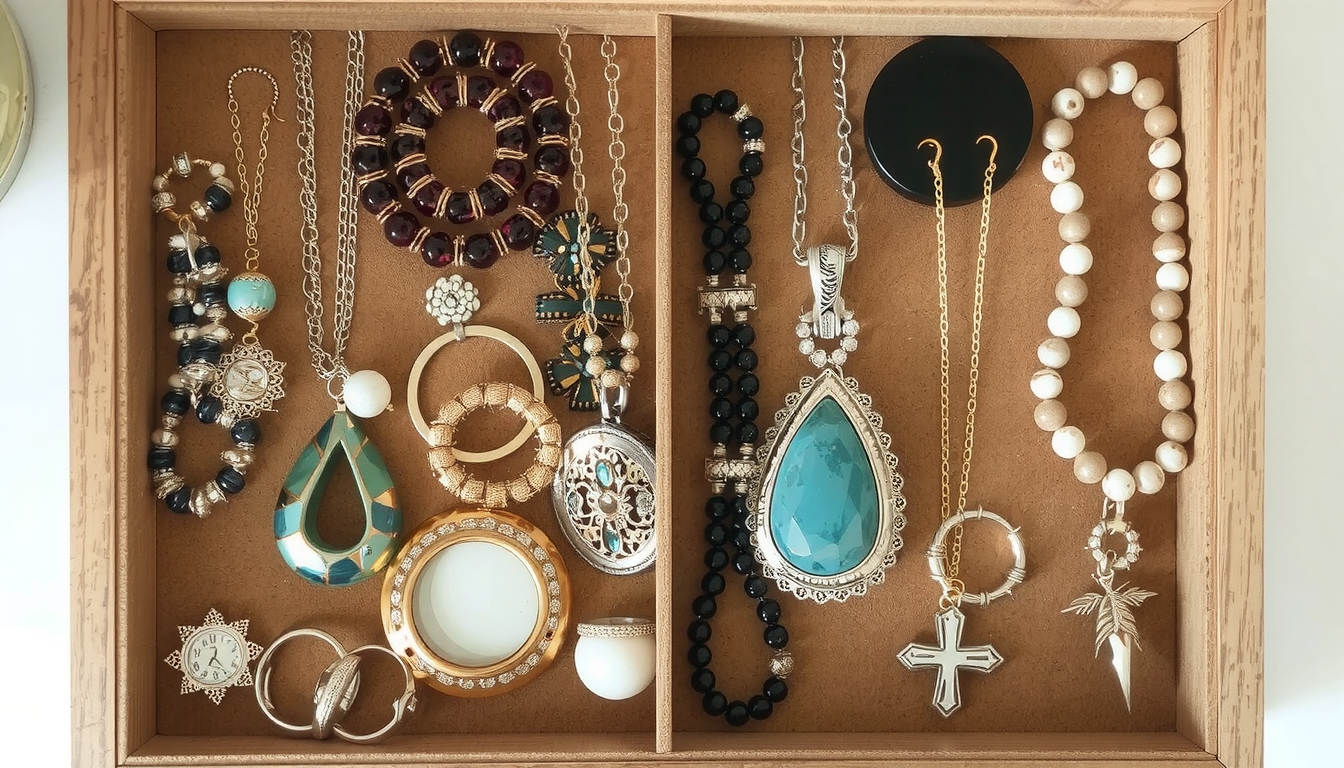
Fabrics like velvet or felt provide a soft cushion. They prevent items from sliding around and bumping into each other. High-quality boxes use these materials for a reason. For instance, velvet jewelry boxes offer excellent protection and a touch of luxury.
Item-Specific Storage Hacks
Different types of jewelry need different kinds of storage. Here are some tips for keeping everything safe and sound.
- Necklaces: Hang necklaces on hooks or place each one in its own long space. This is the best way to prevent tangles. For a DIY solution, you can thread a delicate chain through a drinking straw.
- Earrings: Use slotted inserts or foam pads for stud earrings. This keeps pairs together and easy to see. For hoops and dangles, use small, divided spaces.
- Rings: Ring rolls are perfect for keeping rings upright, visible, and secure.
- Bracelets: Larger, open spaces or soft pillows work well for chunky bracelets and bangles.
When Your Box Isn’t Enough: Inserts and Upgrades
If your current box doesn’t have the right layout, you can customize it. Add drawer dividers, small trays, or ring roll inserts to create the sections you need.
Has your collection outgrown its home? It might be time for an upgrade. A new box designed with smart spaces can make all the difference. A professional jewelry box manufacturer thinks about these details, creating solutions for every type of collection.
Keeping the Chaos at Bay: A 5-Minute Weekly Routine
You have learned how to organize a jewelry box. Now, the key is to maintain it. A little effort each week prevents the clutter from returning.
Follow this simple checklist once a week. It should only take a few minutes.
- Put away any jewelry left on your dresser or nightstand.
- Return each piece to its correct “zone.”
- Quickly check for any new tangles and sort them out.
- Wipe down your daily-wear pieces before storing them.
Taking just 5 minutes once a week can save you hours of untangling and searching over the course of a year. This small habit keeps your collection ready to enjoy at any time.
You have successfully changed your jewelry box from a source of frustration into a source of joy. By following these steps, you have protected your jewelry, saved yourself time, and created a beautiful display. Enjoy the ease and beauty of your newly organized collection.
Frequently Asked Questions (FAQ) About Organizing Jewelry
1. How can I prevent my silver jewelry from tarnishing in the box?
Tarnish happens when silver is exposed to air and moisture. To prevent it, store silver pieces in anti-tarnish bags or in a space lined with anti-tarnish cloth. You can also place a small silica gel packet in your jewelry box to absorb moisture. Storing silver separately from other metals also helps slow the process.
2. What’s the best way to organize necklaces to prevent tangling?
The best method is to keep them from touching each other. Using a jewelry box with built-in hooks to hang necklaces vertically is ideal. If you have drawers, use long, narrow spaces for each chain. A simple DIY hack is to thread a delicate necklace through a cut plastic straw before laying it in a drawer.
3. I have a very large jewelry collection. Is a single jewelry box enough?
For a very large collection, one box might not be enough. Consider using a modular system with stackable trays that you can add to as your collection grows. Another great option is a standing jewelry armoire. You can apply the same principles of sorting, categorizing, and zoning across multiple organizers to create one system.
4. How do I organize my earrings so I don’t lose the pairs?
The best way to organize earrings is to keep pairs physically together. For stud earrings, use an earring card or a slotted insert made of foam or velvet. You can push the pair through the material to keep them secure. For dangle and hoop earrings, small, divided spaces work best to contain each pair.
5. How often should I go through and reorganize my jewelry box?
We recommend a quick, 5-minute tidy-up once a week to put everything back in its designated spot. A full declutter and reorganization, like the one in this guide, is great to do once or twice a year. This helps you review your collection, let go of pieces you no longer wear, and ensure your system is still working for you.