Introduction
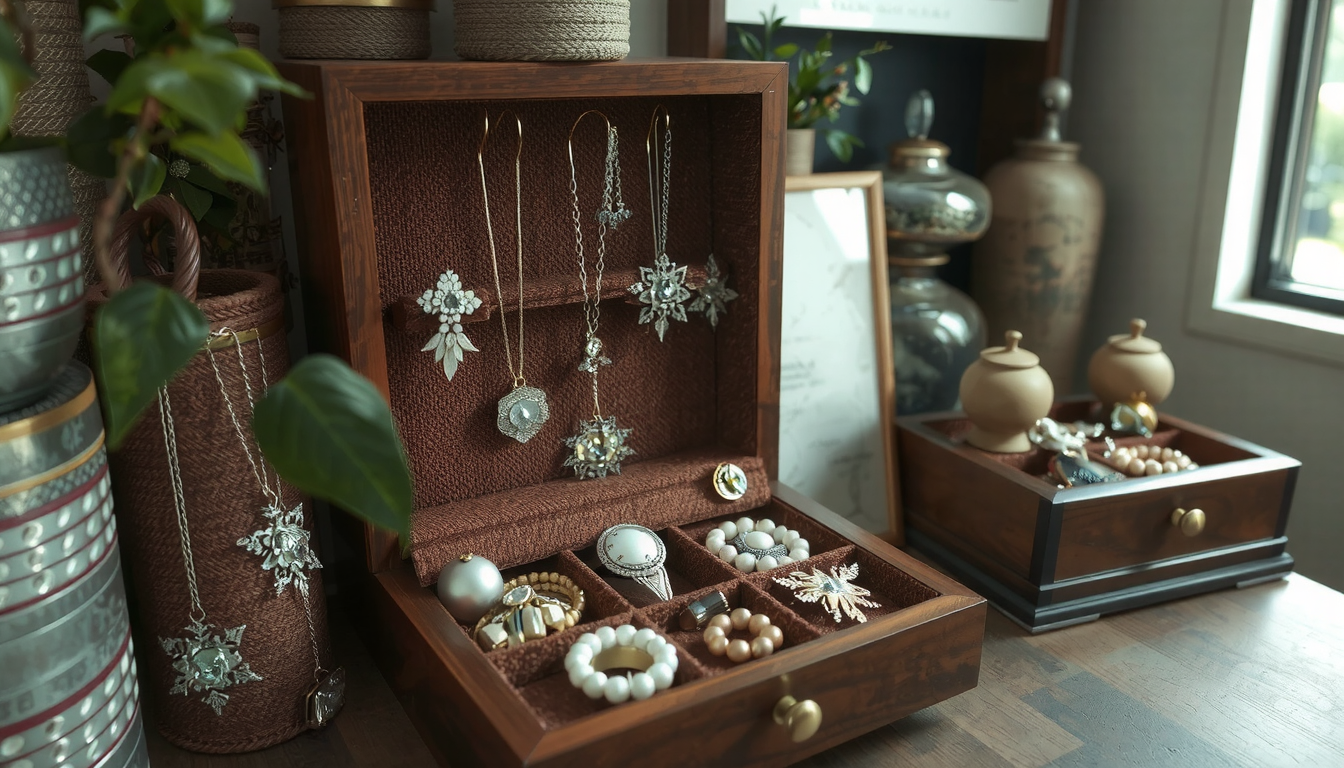
A picture of the morning. You are in a hurry. A right accessory is nowhere to be found. You go through a nest of chains. The necklace you want is nowehere to be found. You only have one earring left. This is not a good sign! This daily frustration clearly says that you need to find out how to organize your jewelry box.
Tangled jewelry is such a hassle to deal with. Your favorite items can get scratched or damaged. However, you will be surprised when you unrival a piece you thought was lost once you have restored order. The happiness of seeing your pieces tidy and waiting to be worn is more than worth the work you did.
Posting a jewelry box is very easy. All you have to do is classify your valuables. You group them in a way that works best for you. This method not only keeps your pieces safe but it will also save you time. This blueprint will give you the instructions to do everything. We will deal with everything decluttering as well as smart long-lasting storage solutions with great functionality.
Step 1: The Basic 4-Step Jewelry Declutter
The first move in your organizational quest is a complete reset. You should visualize all the items in your jewelry box so that you can decide what to keep. This step is useful in grasping just how numerous your jewelry pieces are. It takes away the burden of the initial process of categorizing your jewelry.
1. The Great Unboxing: Empty Everything
Bring out every jewelry piece you have in your box. Spread them out on a soft surface like a towel or a velvet cloth.
This is a vital step. You cannot organize what you cannot see. Putting all your items in a single group makes it easier to determine how to move forward.
2. Look For & Repair Tangles
Next, it is time to deal with knots and tangles. Untangle each necklace one at a time with care. A useful tip is that you can use a straight pin to make a small hole and put a droplet of baby oil in it. This will help to towels out some extra knots that are tight.
Next, check each piece for any damaged parts, like broken clasps or missing stones. Look for heavy tarnish too. This will help you decide what to do with each item in the next step.
3. The Sort: Keep, Repair, or Let Go
Separate your jewelry with the help of three piles. One pile should be Keep, the other Repair and the third one Let Go. This makes the sorting process clear and simple.
- Keep: These are the pieces you truly love and wear often.
- Repair: This pile is for items with fixable issues. Things like a broken chain or a loose gem go here.
- Let Go: Put items here that you have not worn in over a year. Also include pieces that no longer fit your style. Include items that are broken beyond repair. You can donate, sell, or gift these items.
As Better Homes and Gardens puts it, the process opens up your viewpoint. With all your alternatives on display, sifting through all your items will give you a clearer picture of your organization needs.

4. Clean Your Treasures & Group Them
Before putting anything back in the box, give your “Keep” pile a gentle cleaning. Use a silver polish cloth for sterling silver. Gold and most gemstones are best cleaned with a soft brush and mild soap and warm water.
After that, group your clean jewelry into categories. This is the heart of how to organize a jewelry box properly. The usual ways to categorize items are:
* By type: all necklaces together, all rings together, etc.
* By metal: gold, silver, rose gold, and costume jewelry.
* By use: everyday favorites in one group and special occasion pieces in another.
Organizing by Categories that fit your life is the secret to staying organized long-term. Pick a category that is most natural to you.
Step 2: Choose Your Organization Style Based on Your Collection
The most suitable way of organizing a jewelry box is different for each person. A well-organized space is determined by the items you own and the lifestyle you lead. Finding your “jewelry personality” will help you create a setup that you will actually use.
What’s Your Jewelry Personality?
Consider what kind of jewelry you have in your collection. Would you describe yourself as a minimalist with some essential pieces? Or are you a collector that has a wide variety of treasures? The type of your collection indicates the best way of organization for you.
- The Minimalist: You have a small, curated collection of high-quality pieces you wear daily.
- The Collector: You own a large and varied collection. This includes statement pieces and fine jewelry.
- The Trend-Follower: Your collection changes often with new costume and fashion jewelry.
- The Sentimentalist: You cherish many heirloom or gifted pieces with deep emotional value.
Every personality has matching strategies for organizing the jewelry box.
| Jewelry Personality | Best Organization Strategy | Recommended Storage Focus |
|---|---|---|
| The Minimalist | Organize by type for quick access. | A small, elegant box with dedicated slots or a simple tray. |
| The Collector | Organize by set, designer, or value. | A large armoire or stackable trays with specialized inserts. |
| The Trend-Follower | Organize by color or style (e.g., chunky, delicate). | Visible storage like hanging organizers or clear acrylic drawers. |
| The Sentimentalist | Organize by origin or person; prioritize protective storage. | Lined boxes, anti-tarnish bags, and separate compartments. |
Step 3: Use Smart Storage Solutions Inside Your Box
Once you have a plan, it’s time to arrange your jewelry inside the box. The goal is to make every piece visible and easy to grab. You also want to prevent damage. A smart setup is key to knowing how to organize a jewelry box for daily use.
For Necklaces: The Tangle-Free Rule
Tangled necklaces are the most significant challenge. To prevent this from occurring, install hooks on the lid or side of your jewelry box to hang them.

If you don’t have hooks at hand, set all dainty chains in long, singular compartments. An awesome DIY trick you can pull off is simply threading a weak chain through a straw. This maintains its shape whether it is in the drawer or in transit.
For Earrings: The Perfect Pair-Up
Not having a pair for one earring is always annoying. Use inserts with slots or small holes to keep pairs together and visible. Small, separate sections are perfect for stud earrings.
For a simple DIY method, you can Pin your earrings to a piece of ribbon and lay the ribbon in a drawer. This keeps them neat and easy to find.
For Rings & Bracelets: Easy Access & Display
The ring rolls with cushions made from soft materials are the best way of storing rings. They help rings stay in an upright position and keep them safe from scratches. Plus, rings are now so easy to spot.
Chunky bracelets fit best in bigger compartments where they have some freedom. Another option could be stacking delicate bracelets around a watch cushion. Or you can lay them flat in a single tray.
Making the Most of Your Box
If your box has large, open drawers, you can customize them. Use small stackable trays or add dividers to create smaller sections. This gives every item a specific home.
A well-designed box from a skilled jewelry box manufacturer will often have these varied compartments built-in. This makes your job even easier.
Step 4: Preserve & Protect Your Jewelry for the Long Haul
Good jewelry box organization is about more than just being tidy. It is also about protecting your valuable and cherished items for years to come. Understanding how to store items correctly will prevent damage, and keep them looking beautiful.
The Science of Tarnish and Scratches
Tarnish and scratches are the results of storing jewelry incorrectly. Air, moisture, and other metals are the leading causes of these problems. For example, sterling silver is known to tarnish quickly through air that contains sulfur. On the other hand, soft gems like pearls and opals are easy to scratch.
Correct storage minimizes access to these elements. It prevents harder gems from scratching softer metals as well as gems.
Material-Specific Storage Rules
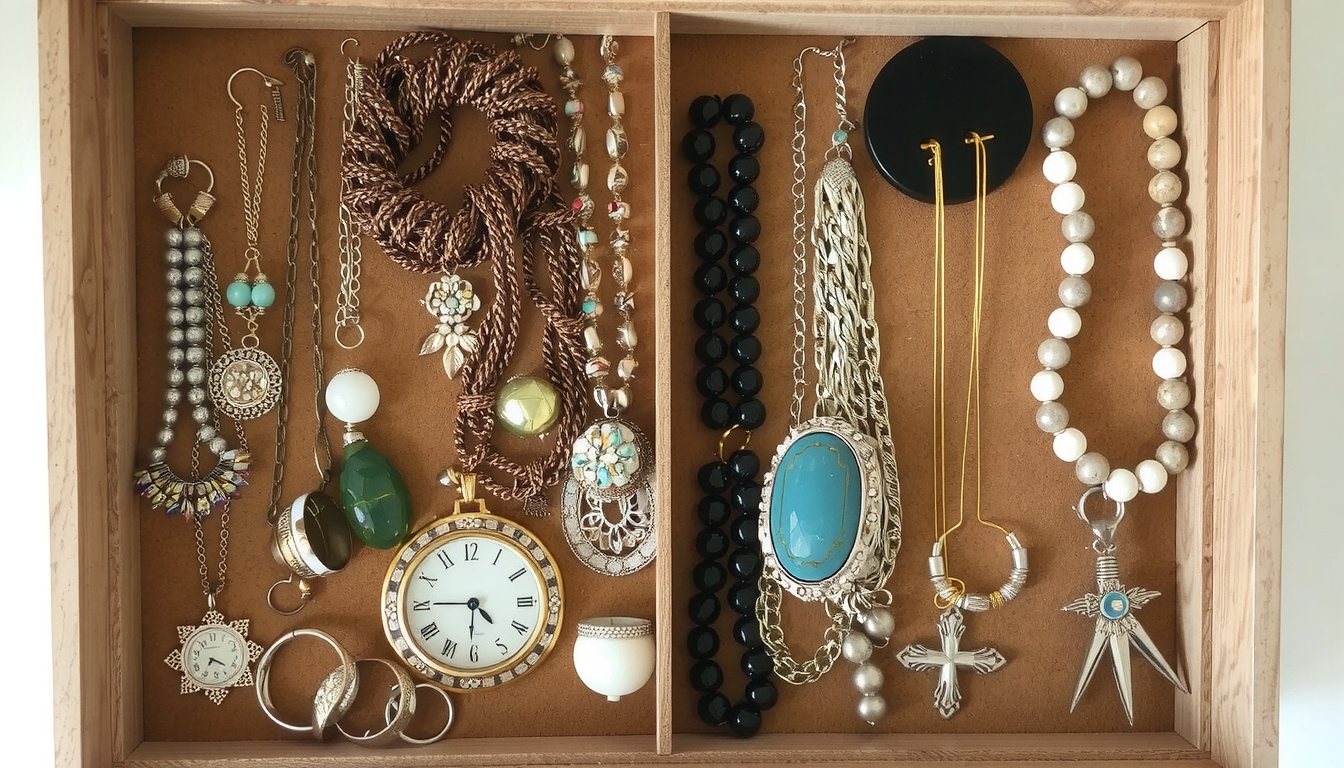
Each material has different needs. Adhering to these guidelines will help your collection stay in prime condition.
- Silver: Always store silver in anti-tarnish bags or a lined compartment with an anti-tarnish strip. That works because it slows down the chemical reaction that causes tarnish.
- Pearls: Keep pearls apart in a soft pouch made of velvet or silk. Pearls have to breathe. Do not store them in airtight plastic bags.
- Gemstones: Hard stones like diamonds can scratch almost anything. Store them in their own compartments or pouches. This way they do not touch other pieces.
Why the Right Lining Matters
Your jewelry box’s inside becomes a crucial part that you can’t ignore. A soft lining is essential to avoid damaging metals and gems with scratches.
Picking velvet is the most suitable option as it is soft and non-abrasive. Velvet creates a safe cushion for your delicate items. For big collections, buying velvet jewelry boxes wholesale gives every piece the chance to be effectively protected without you having to compromise.
Step 5: Maintain Your Organized Space
You’ve learned the process of arranging your jewelry box. But the last stage is making sure that it stays in that condition. A few small but regular good practices will help diminish any effort you need to do.
The “One-Minute” Rule: Each night, take just one minute to return your jewelry items into their designated spots. This simple act can easily prevent clutter build-up in the future.
Seasonal Review: Twice a year, set aside 15 minutes for a quick review. Tidy up your box and remove any new items you do not wear any more. Make sure that your system still works for you.
The “One In, One Out” Policy: If your collection is of considerable size, this rule can be adopted. Each time a new piece of jewelry enters your possession, you might want to let go of one that you have not worn in some time.
Conclusion: Enjoy Your Tangle-Free Treasures
An organized jewelry box can completely change your daily controlled chaos into a smooth and organized day. You will overcome the hurdles of tangled chains, lost earrings, or damaged heirlooms. Instead, you will save time and rediscover the joy of wearing your beautiful collection.
Consider this process as a little act of self-care. You make a place for the things you love that is both calm and beautiful. The perfect system that you have worked on will transform the dressing up from a task to pleasure.
If your old box doesn’t fit your newly organized collection, it may be time to upgrade it. Discover beautiful and functional options from the premier jewelry box supplier and find the right treasure home for your products.
Frequently Asked Questions (FAQ)
How do you organize a jewelry box without dividers?
You can create your own DIY dividers using felt-covered cardboard. You can also use small trinket dishes, tea cups, or silicone ice cube trays inside larger drawers. These divide items like rings and earrings. Add small velvet pouches to prevent pieces from scratching each other.
What is the best way to store necklaces to keep them from tangling?
The best way is to hang them vertically. If your box has hooks, use them. If not, lay each necklace in its own long, narrow compartment. For a quick fix, you can thread a delicate chain through a drinking straw. This keeps it straight and prevents knots.
Should I keep my jewelry in the original boxes?
Original boxes are a great way to keep very valuable or sentimental pieces for the long term. They can be a bit bulky and impractical for daily use. It is often better to move your frequently worn items into a single well-organized jewelry box for easy access.
How often should I clean out and organize my jewelry box?
Deep organization and clutter removal should happen yearly. To maintain your order, do a quick 5-minute tidy-up once a month by returning stray items to their place, and wiping down your box.
Does storing jewelry in a box prevent tarnish?
Storing jewelry in a closed box helps slow down the tarnishing process. It limits exposure to air and moisture, both of which are contributing factors to tarnishing.