Your Journey to a Handcrafted Treasure
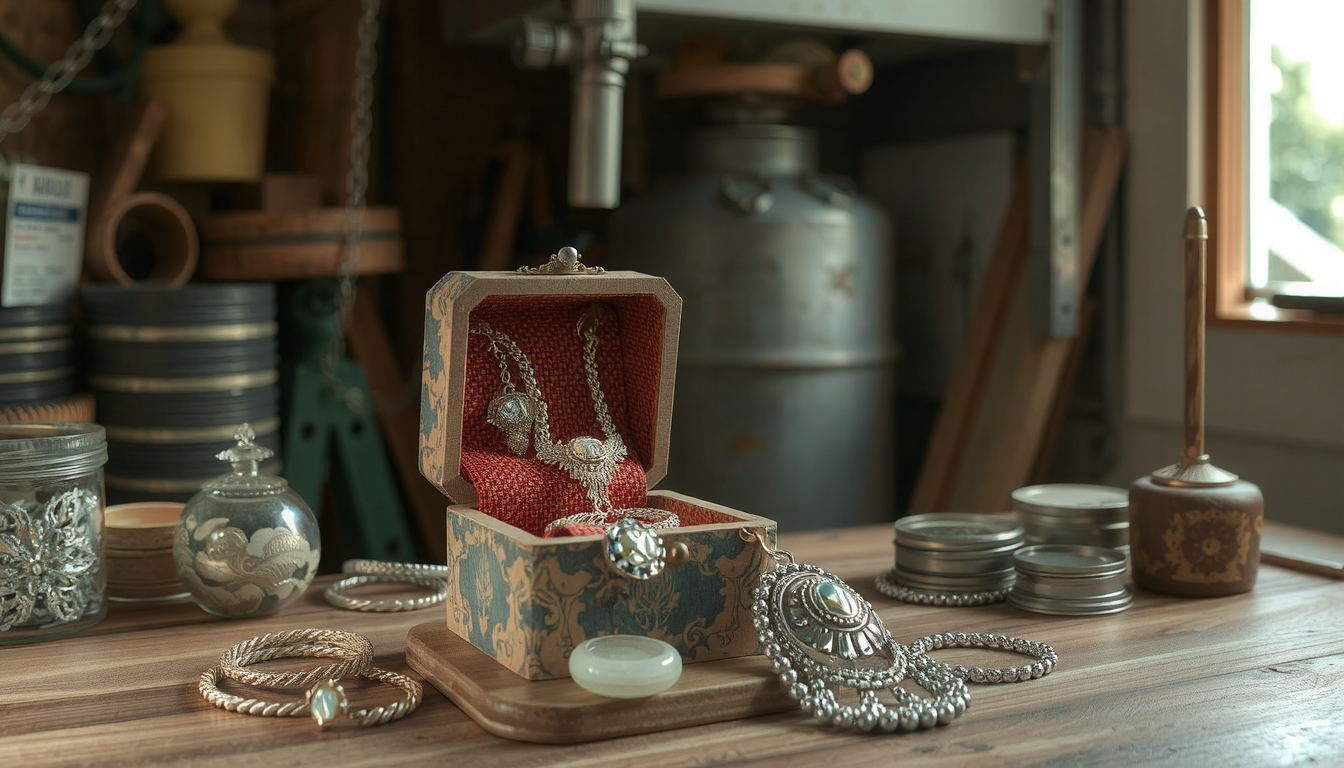
One of the special projects that you can do is your own jewelry box. You will create a beautiful and useful thing with your hands. This can be an ideal gift. You can even keep it as a treasure for yourself.
But then again, you might be asking, “Is it tricky to build a jewelry box?” The answer is immediate. You can make it as simple or as complicated as you like. This guide will teach you the essential things.
We will discuss designing your plan. We will assist you in selecting the wood. Then we will take you through the construction process. Finally, we will demonstrate how to apply the final touches. These touches are the factors that make your box special.
Before Building: Planning Your Box
The success of a project largely depends on having a well thought out plan. This will help eliminate the mistakes early on. This first step will help you to learn how to build a jewelry box that you will be proud of.
First of all, you need to decide on the purpose of the box. Who will it be for? What will it go in? A box for rings and earrings will be very different from one for large necklaces. It will also be different from one for watches. This decision will also determine the size of your box and the inside layout.
Next, you need to choose a design. The simple lift-top boxes are the right way to start. The boxes with drawers are a bit advanced. The boxes with amazing scroll-saw details are also advanced. Draw your idea on paper. For more ideas, you can start by exploring a variety of free jewelry box plans online. The professional plans depict how punctilious a designer can be. Detailed scroll-sawn jewelry box plans are a good example of that.
Then, you have to select the wood.
* Beginner Woods: Pine and Poplar are a couple of excellent choices. They are cheap. They are also simple to cut and sand.
* Hardwoods: Oak, Maple, and Cherry are powered. They present fantastic wood grain. This automatically gives a special appearance to a box.
* Exotic Woods: Walnut or Padauk provide unmatched colors and patterns. They work for a truly breathtaking result.
Hardwoods are mainly trees that lose their leaves during the fall season. They are usually much denser than softwoods. Softwoods are from conifer trees. Both hardwoods and softwoods work well for a jewelry box.
And lastly, consider the hardware. You will need hinges for the lid. You might as well want a knob. You might want a lock. And you might also want to line the inside with soft fabric like felt or velvet.
Picking the Project: Match Your Skills to the Project
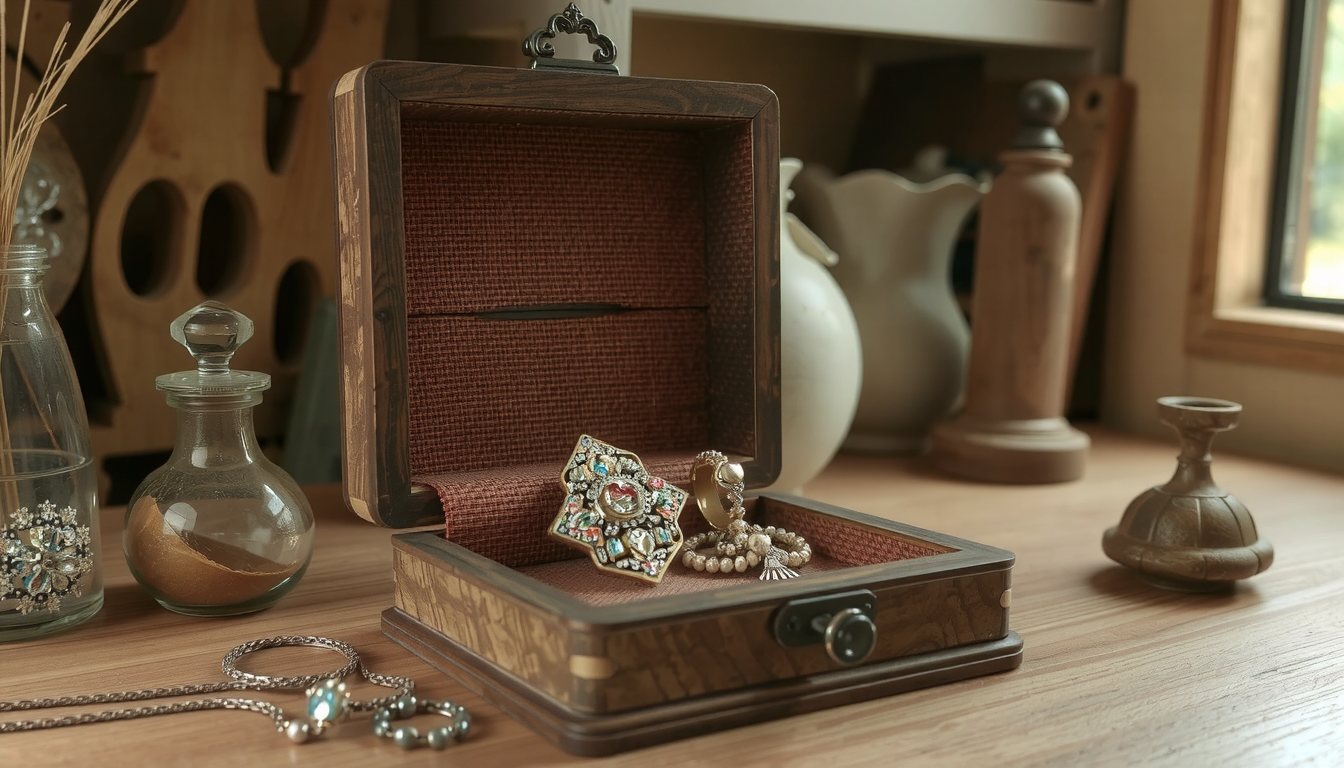
A significant step in your learning process, as far as building your jewelry box is concerned, is the selection of the right plan. It is essential to match the plan to your skills and tools. This will enhance your chance of success. The correct way to connect the corners is called joinery.
Some joinery means are straightforward. Others, such as the use of specialized tools or more skills, are more difficult. Choosing the proper joinery makes the project enjoyable instead of hard.
A quick overview of joints used for box making:
| Joinery Method | Skill Level | Key Tools Needed | Appearance | Strength |
|---|---|---|---|---|
| Butt Joint | Beginner | Saw, Wood Glue, Clamps | Simple, shows end grain | Weakest |
| Miter Joint | Beginner | Miter Saw or Table Saw, Glue, Clamps | Clean, wraps grain around corners | Moderate |
| Box Joint | Intermediate | Table Saw with a jig | Decorative, interlocking fingers | Strong |
| Dovetail Joint | Advanced | Hand Saws & Chisels or a Jig | Classic, very beautiful | Strongest |
We suggest a mitered box for your first project. It gives an effect of cleanliness and professionalism. It seems harder than it is. The basic power tools are enough. This is an outstanding choice for your first jewelry box project.
How to Build a Simple Mitered Jewelry Box Step by Step Guide
This tutorial is the best guide to show you how to make a pretty and easy mitered box. It is an ideal project to acquire the basic skills for building a jewelry box.
Step 1: Gather Tools & Materials
Get everything you need in one place before you start.
- Materials: One 1×6 board (poplar or oak works well), a great wood glue, sandpaper (120 and 220 grit), and a wood finish like oil or polyurethane.
- Tools: A table saw or miter saw, clamps, a measuring tape, and safety glasses.
Step 2: Cut the Box Pieces
Accuracy is very important here. We will cut four sides, each with a 45-degree angle at each end. These angles will join to form perfect 90-degree corners.
A good rule is to “measure twice, cut once.” After you cut your four side pieces, place them together without glue. Check if they fit. They should form a clean, tight square or rectangle.
Next, cut the top and bottom panels. These should fit snugly inside the walls of your box. You can cut a shallow groove on the inside of the box walls. This groove is called a rabbet or dado. The panels sit in this groove. This makes the box stronger.
Step 3: Assemble and Glue the Box
A great trick for gluing mitered corners is the “fold-up” method. Lay your four side pieces end to end. Put the outside faces down. Line them up. Apply packing tape across each joint.
Flip the pieces over. Apply a thin layer of wood glue to each mitered edge. Then simply fold the box up. The tape acts as a clamp. It holds the corners tight. This simple DIY wooden jewelry box guide shows great pictures of this technique.
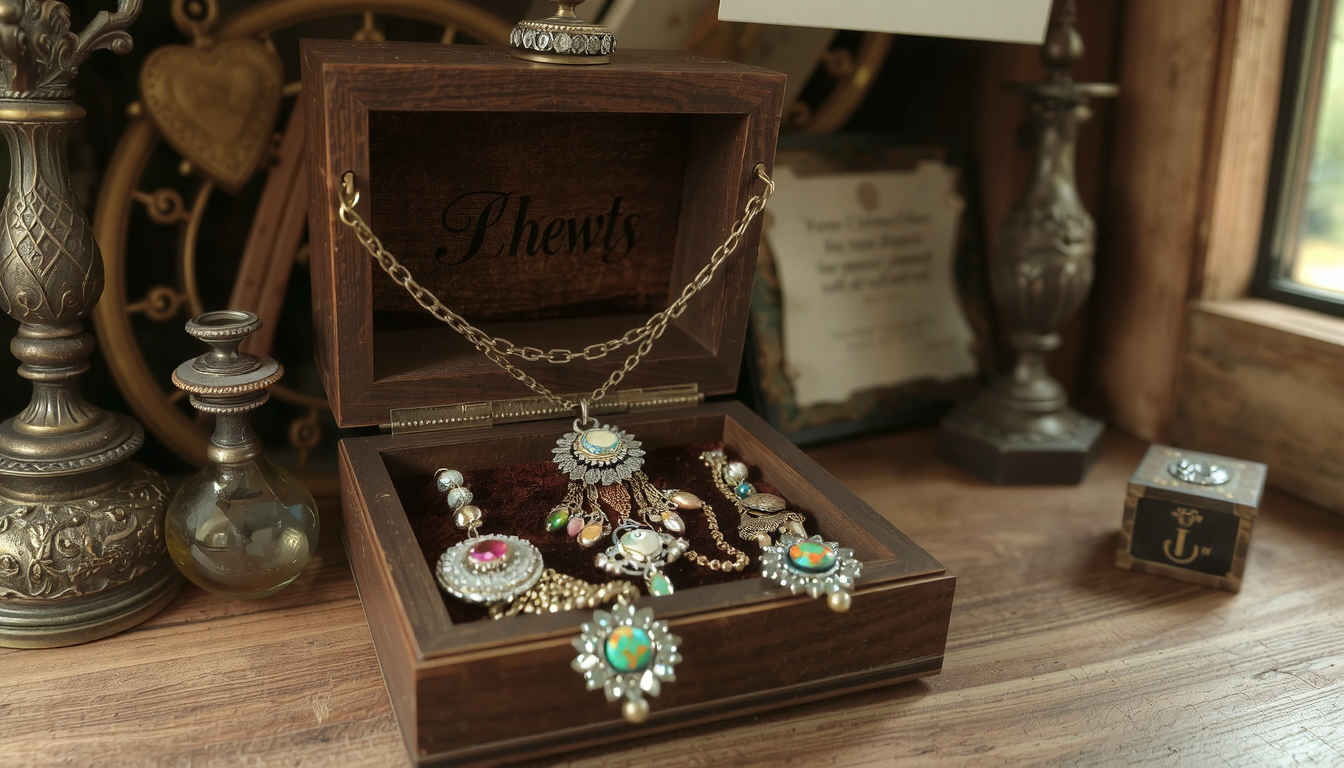
Add the top and bottom panels. Then use a band clamp around the box. This applies even pressure while the glue dries. Wipe away any wet glue that squeezes out with a damp cloth.
Step 4: Separate the Lid
This is where the magic happens. Once the glue is fully dry, you will cut the lid from the main body of the box. This ensures a perfect grain match all the way around.
Set your table saw blade height to just a little more than the thickness of your box walls. Set the fence to cut about one inch from the top of the box.
For safety, always cut the shorter sides of the box first. Then, cut the two longer sides. The top will come free. This creates a perfectly matched lid.
Step 5: Sanding and Preparation
The final step before finishing is sanding. This makes the surface feel smooth and professional.
Start with 120-grit sandpaper. This removes any saw marks and levels the joints. Then, move to a finer 220-grit sandpaper for a silky-smooth finish. Always sand in the direction of the wood grain. This avoids scratches.
Beyond the Build: Finishing and Customization
A great finish protects the wood. It also makes it look amazing. This stage is when your project transforms from a wood box to a finished piece. Your custom touches make it really one of a kind.
Applying a Finish
You have a few good options for finishing your box.
- Oil Finishes: Tung oil or Danish oil are very easy to apply. You just wipe them on with a clean cloth. They soak into the wood. They bring out the natural color and grain.
- Varnish or Polyurethane: These create a durable film on top of the wood. They offer more protection from scratches and water. Apply thin coats with a brush. Lightly sand between coats for the best results.
Installing Hardware
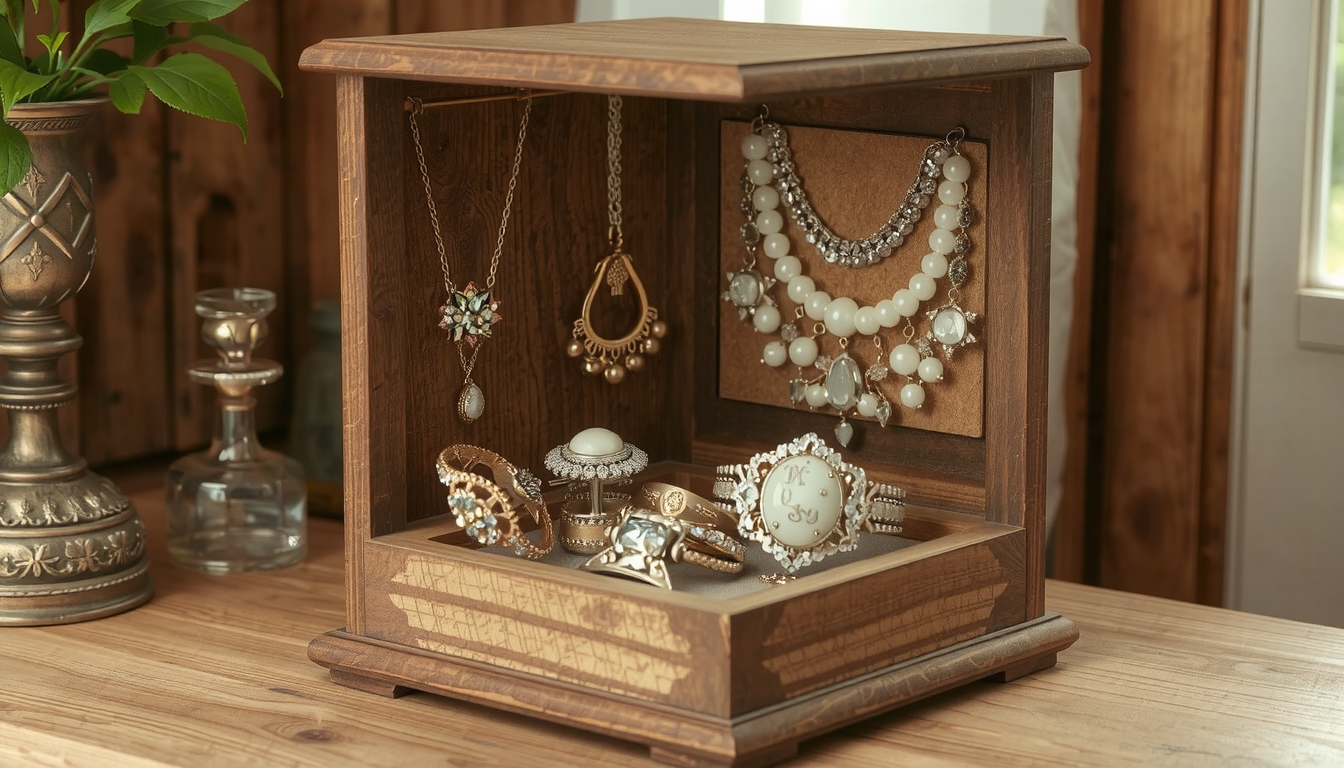
Small details make a big difference. When installing tiny screws for hinges, the wood can easily split. Here is a pro tip: use a small nail with the head clipped off as a drill bit. Gently tap it in to create a perfect pilot hole for your screw.
Creating Interior Dividers
Dividers help organize the jewelry inside. You can make simple dividers from thin wood. Use 1/4-inch poplar. Cut the pieces to fit snugly inside the box. You can cut slots halfway through each piece where they cross. This way they interlock in a grid.
Lining the Interior
Lining the box adds a touch of luxury. It also protects the jewelry. You can use self-adhesive felt for a quick and easy solution.
For a richer feel, use velvet. A clean way to install it is to cut pieces of thin cardboard. Make them slightly smaller than the inside of your box. Wrap the velvet fabric around the cardboard. Glue it down on the back. Then, glue these fabric-wrapped panels into the box. If you want ideas for colors and textures, look at options like velvet jewelry boxes wholesale. This can provide great inspiration.
DIY vs. Sourcing: When to Build and When to Buy
Knowing how to build a jewelry box is a wonderful skill. However, sometimes it makes more sense to source one.
Build it yourself when you want a unique gift. Build when you enjoy the process of making. Build when you want to learn woodworking. The pride of creating something by hand is the real reward.
Source a box when you need many identical boxes for a business. Source when the design you want is beyond your current skill level. In these cases, working with a professional jewelry box manufacturer ensures you get consistent, high-quality products. Exploring what a dedicated jewelry box supplier offers can also help. You can understand different styles and quality standards.
Building a Jewelry Box: Frequently Asked Questions
What is the best wood for a beginner to use for a jewelry box?
Pine or poplar are excellent choices. They are not expensive. They are also easy to find. They are soft, which makes cutting and sanding easier. If you plan to paint the box, these woods work very well.
How can I make a jewelry box without a table saw?
You can definitely build a great box without a table saw. A hand saw and a simple miter box can make very accurate 45-degree cuts. A circular saw with a straight guide also works. The most important things are careful measurement and taking your time.
How do I get a really smooth, professional finish?
The secret is proper sanding. Do not skip grits. Start with a medium grit like 120 to smooth the wood. Then use a fine grit like 220. Always sand with the wood grain, not against it. Before applying your finish, wipe away all dust with a clean cloth.
How do I add dividers inside my jewelry box?
The easiest method is to use thin wood, about 1/4-inch thick. Cut pieces to match the inside height of your box. To make them interlock, cut a slot halfway through each piece where they will cross. They will fit together to form a grid. You can glue them in or leave them removable.
My mitered corners have a small gap. How can I fix it?
This is a common problem. For a very small gap, you can make your own filler. Mix some fine sawdust from your project wood with a little bit of wood glue. Press this paste into the gap and let it dry. Once dry, sand it smooth. It will match the wood color much better than a store-bought filler.