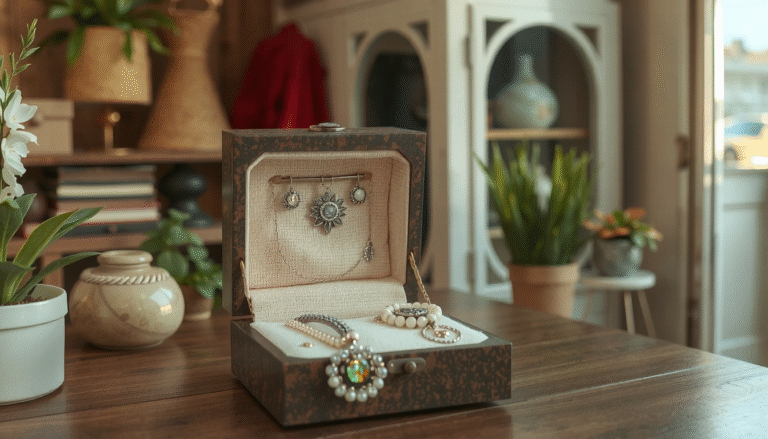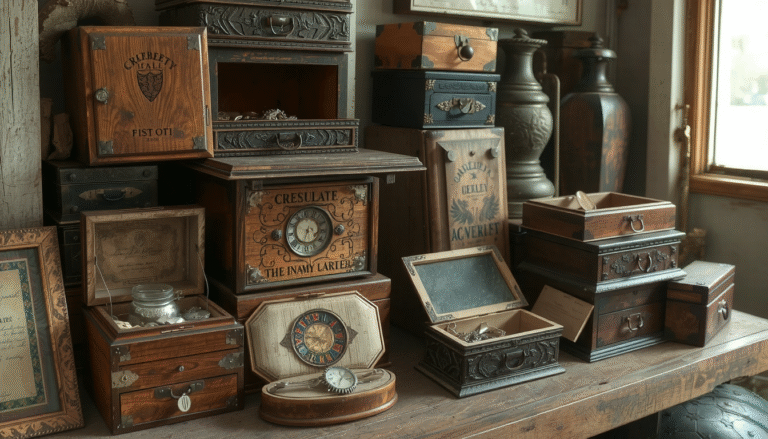
As the first encounter and the final work is equally important in exquisite jewelry. Before the customer feels the weight of the necklace or dazzles at the sparkle of a gemstone, they meet the packaging. The first contact here is the packaging and is your first—and maybe the only one—chance to create a deeply buried trace.
Even the simplest custom logo jewelry boxes are more than just boxes. They are your silent “employees” that work on your behalf. They transform mere transactions to fantastic “unboxing” experiences. Without any verbal interaction, they tell your clients about the brand quality, concern, and identity.
This is a complete guide for jewelry brand owners and marketers. This is a reading that only custom packaging allows you to recognize the strategic benefits of the investment. You will learn the secret of appropriate materials and styles. You will also educate yourself on printing techniques used for your logo. Additionally, you will find a guide outlining every step that will take your idea into a final product.
A Strategic Ambition: Customized Boxes
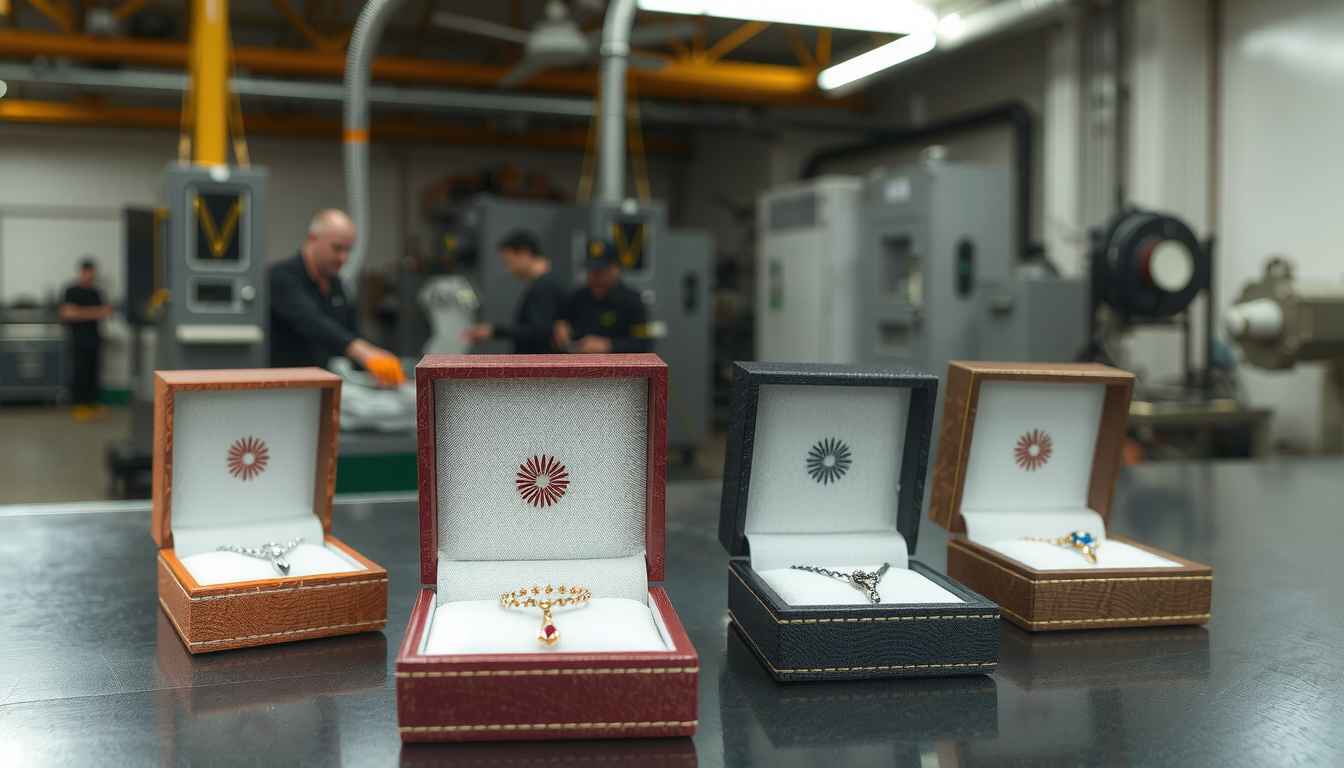 Consider custom logo jewelry boxes the way strategic assets should be considered, not as operational costs. This is the fundamental change that would help you gain significantly. The true worth is more than just containing a product.
-
Increase the Perceived Value: The concept is straightforward. Premium boxes reveal that the products are of premium quality. Research indicates that 60% of consumers respect high-quality packaging as a sign of the attention that a brand pays to its image. The aspects of your box such as weight, texture, and finish set the atmosphere for the jewelry inside.
-
Boost the Brand Identity: Your packaging is a material narrator of your brand story. Colors, materials, and logo placements communicate the message of your artistic vision. Be it minimalist, timeless luxury, or bohemian chic, it is a tangible reinforcement of what you believe in.
-
Enhance Customer Loyalty and Sharing: This social media era has turned “unboxing experiences” into marketing magic. Well-designed boxes not only inform but are also sharable. They trigger customers to create the user-generated content that gives you authentic, word-of-mouth advertising for your brand.
-
Heighten Brand Recall: Whereas other boxes tend to be disposable, jewelry ones are often kept for storage. They are found on the dressers or in drawers of the customers. They become constant and subtle reminders of your brand long after the purchase is made. This works toward the creation of familiarity that results in repeat business.
Your Choices Exposed: Materials and Styles
Choosing the right physical elements for your custom logo jewelry boxes is the very foundation of your design. The material and style you pick directly relate to the tactile experience of the customers and their perception of your brand.
Comparing Jewelry Box Materials
| Material | Best For | Common Uses | Pros | Cons |
|---|---|---|---|---|
| Rigid Paperboard | Luxury & High-End | Ring, earring, necklace boxes | Sturdy, premium feel, highly customizable | Higher cost, less eco-friendly than Kraft |
| Cardboard/Kraft | Eco-Conscious & Rustic | All jewelry types, e-commerce | Recyclable, lightweight, cost-effective | Less durable, can look less premium |
| Velvet | Classic & Timeless | Engagement rings, heirloom pieces | Soft, luxurious texture, traditional appeal | Can attract dust, limited exterior branding |
| Wood | Ultimate Luxury & Keepsake | High-value items, watches, sets | Extremely durable, high perceived value | Heaviest, most expensive option |
| Leatherette | Modern & Durable | Men’s jewelry, watches, bracelets | Sophisticated look, easy to clean | Faux material, can be pricier than paper |
Popular Styles for Custom Logo Jewelry Boxes
Apart from materials, the construction of the box also plays a part in the unboxing experience. The options for jewelry gift boxes are really abundant. These are the most recommended and efficient types.
-
Lift-Off Lid Boxes: This is the classic two-piece jewelry box. Its timeless and versatile design fits any jewelry type that is classic and modern alike, For branding, it offers a bigger space on the lid.
-
Drawer Style (Sliding) Boxes: These modern boxes feature a sleeve and sliding drawer, usually with a ribbon pull tab. The sliding effect gives a satisfying, slow reveal, which builds anticipation.
-
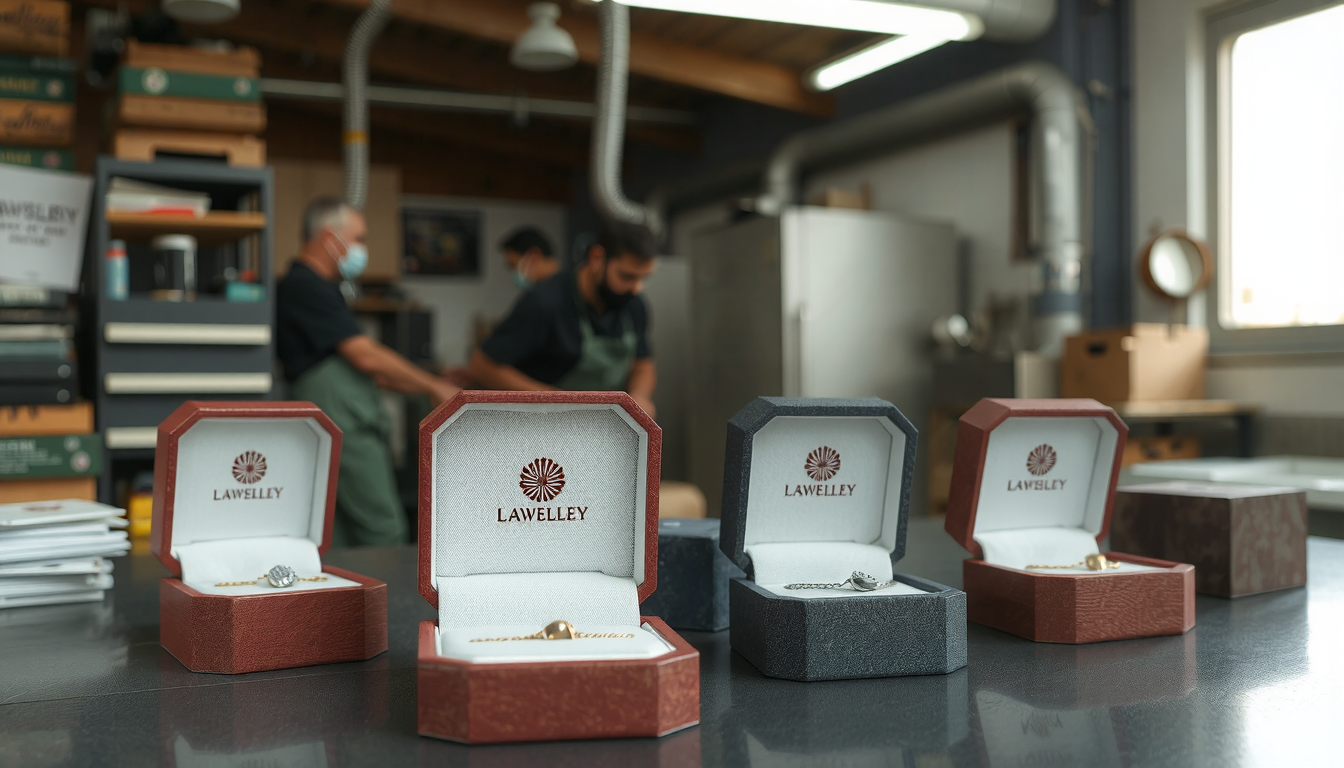
Hinged Lid (Clamshell) Boxes: Often made from rigid paperboard or wood, these boxes have attached lids that open like treasure chests. They feel substantial and permanent. This makes them ideal for high-end pieces.
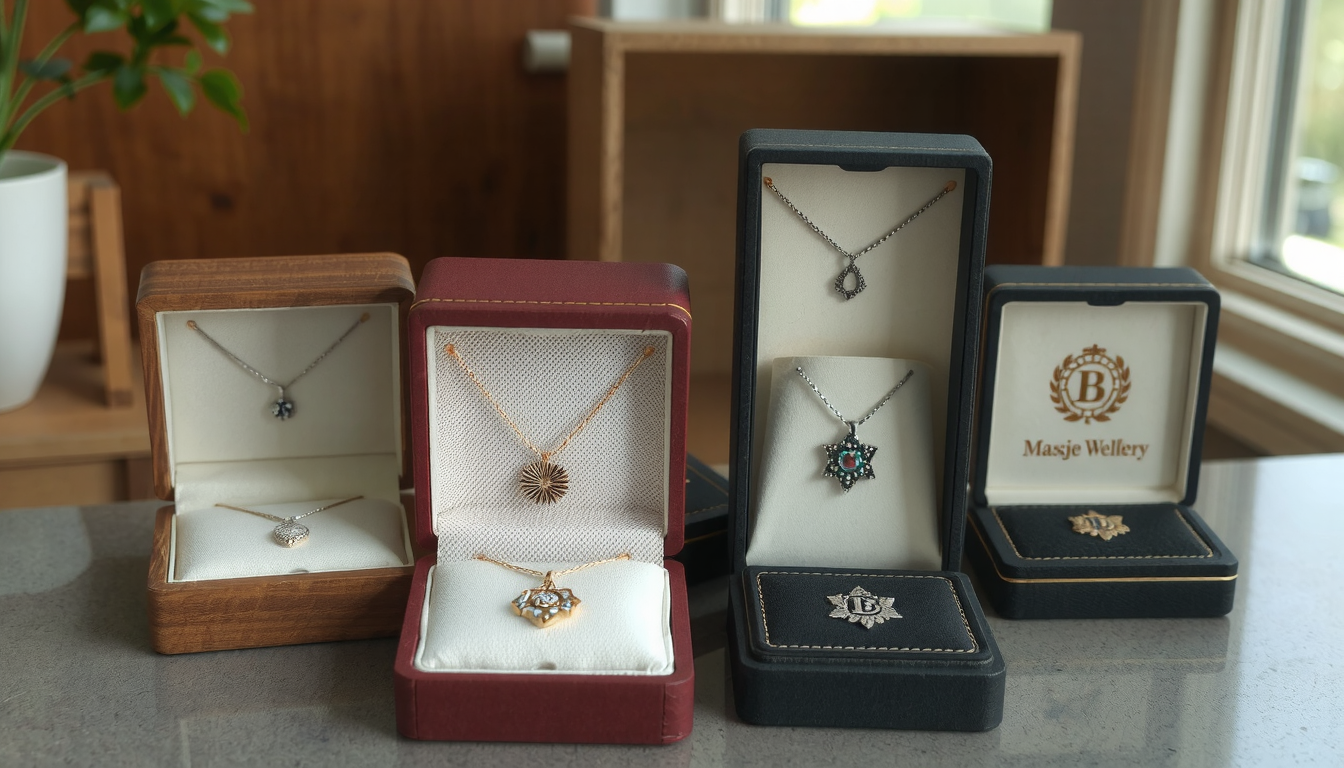
- Pillow Boxes: These unique and affordable boxes are best for smaller items that are easy to add like charms, pendants, or delicate earrings. They ship in flat form and can be assembled quickly.
The Printing Technique: Your Choice
The method you choose to apply your logo is equally as important as the box itself. Each printing technique lays the groundwork for a different look and feel. The right selection will give your project a good finish.
Hot Foil Stamping
If we talk about luxury branding, this will be the gold standard for sure. The process utilizes a metal die, heat, and pressure to superimpose a thin layer of foil that is either metallic or pigmented over the surface of the box.
It is the best choice when you need to achieve genuine metallic finishes in colors like gold, silver, and rose gold, and even holographic effects. Hot foil stamping will ensure the best quality with a clear, slightly indented impression that defines perfection. For logos that use a single color and need to appear premium, this method is recommended – it is one of the most popular printing techniques similar to hot stamping.
Debossing & Embossing
These techniques work on the box material itself to provide effects that are three-dimensional. The differentiation between them is simple. Debossing makes your logo imprint in the material surface to form a depression. Embossing, on the other hand, creates a design that is raised above the plane of the material.
Both provide subtle, textural branding that patrons the use of touch. They can be used with foil or ink (“color-register emboss”) or without any color at all (a “blind emboss”) for a sophisticated, minimalist statement.
Screen Printing
The screen printing method consists in pushing the ink through a thin mesh onto the box. Each color in your logo needs a separate screen. Therefore, it is ideal for designs that have one to three distinct colors.
It is a very flexible technique that can be employed on different materials like paper, fabric, and wood. It gives vibrant opaque colors with full coverage, hence it is suitable for logos that need to be seen.
Digital Printing (CMYK)
Think digital printing as a top-of-the-line desktop printer that directly puts the ink on the box. It uses a four-color process (Cyan, Magenta, Yellow, Black) to create a full spectrum of colors.
This is the technique of choice for logos containing multiple colors, elaborate gradients, or photographic detail. It, however, comes with a few downsides. Digital printing might not produce the same tactile luxury as foil stamping or embossing, for instance, but it is more flexible in color options.
Bringing the Idea to Life: A Simple 7-Step Plan
Ordering your very first batch of custom logo jewelry boxes may look like an Everest to climb. We have taken the liberty of dissecting the whole process into a clear, actionable project plan. It will take you from conception through to completion.
-
Finalize Your Logo Design for Print.
Long before contacting a supplier, ensure your logo is finalized. In our experience, having your logo in a vector file format (.AI, .EPS, or .SVG) is very important. Unlike a .JPG image, a vector file can be scaled to any size without compromising quality. This is key for a crisp print. If your logo is very complicated, think about making a simplified version for smaller applications or specific print methods like foil stamping. -
Define Your Box Specifications.
After reading the information above, choose your ideal box model. Finalize material, style, outside and inside colors, and dimensions. Don’t forget the insert. Do you require a foam, velvet, or cardstock insert to be made with specific cuts for a ring, earrings, or a necklace?
-
Research and Shortlist Suppliers.
Look for producers who are experts in customization of logo jewelry boxes and have an attractive portfolio. Take note of their stated Minimum Order Quantities (MOQs), production capabilities, and customer reviews. Prepare a list of 2-3 possible partners who fit your requirements. -
Request Quotes and Samples.
Write to your shortlisted suppliers with the specifications you have stated. The more detailed information you supply, the more precise your quote will be. Above all else, make sure to always request a physical sample. To see and touch the quality is the non-negotiable factor. -
Submit Your Artwork and Get a Digital Proof.
After you choose a supplier, you will send your vector logo file. They will create a digital proof, or mockup, with your logo picture. This digital proof will specify how your logo will look like on the box. You must be very meticulous in checking the proof to confirm that the logo is placed correctly, the spelling is correct, the size, and the color. -
Approve the Proof and Place Your Order.
This is the breaking point. When you give the golden stamp on the proof, the supplier begins the production process. Always clarify the payment terms, and get a precise estimate on both production time and shipping timeframe before proceeding. -
The Final Unboxing!
The moment of receiving the first shipment of custom boxes is exhilarating. Do not forget about the celebration until you perform a quality control check. Spot-check a random selection of boxes from different cartons to ensure they match the approved sample and that the printing quality is consistent.
Finding the Right Partner: Choosing a Supplier
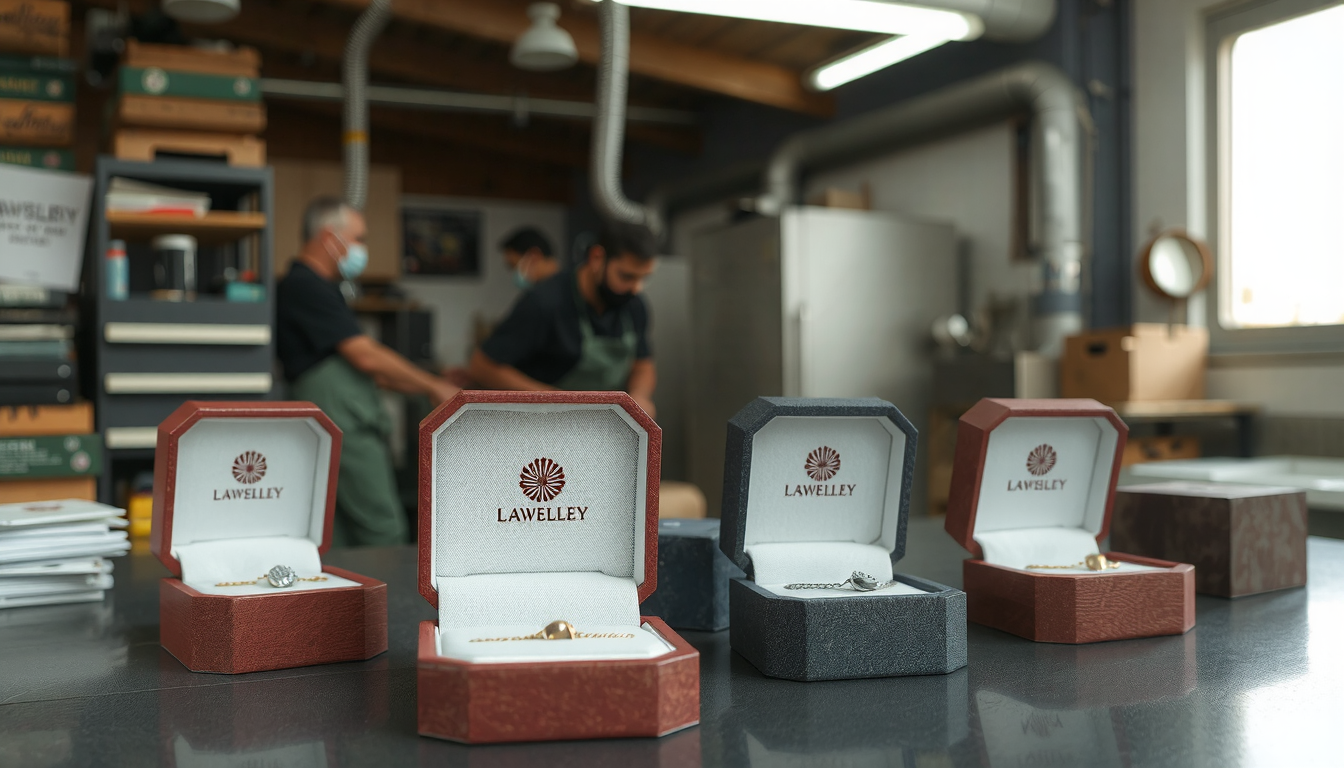 Your supplier is not just a vendor but also a partner in making your brand’s physical personality come to life. Thus selecting the right one is essential to ensure a good process and high-quality final results.
You can use this checklist of questions to vet potential suppliers so you can ensure that they are a good fit for your needs.
- What is your Minimum Order Quantities (MOQs)?
- What are your full printing and material capabilities?
- Can I see a portfolio of your work for other jewelry brands?
- What is your standard turnaround time for production and shipping?
- Do you offer physical pre-production samples, and what is the cost?
- What are your specific artwork file requirements?
Finding a supplier who can lead you through each of these questions is key. A dedicated partner like Jewelry Box Supplier Ltd. will be at your service and ensure that you will go through your vision fulfilling project from start to finish.
Frequently Asked Questions
What is a typical MOQ for custom boxes?
Minimum Order Quantities (MOQs) are greatly variable, contingent upon supplier and project complexity. For simple hot stamping in stock boxes, MOQs could be as low as 100-250 units. For fully custom-made boxes with different dimensions and materials, MFOQs usually start at 500 or 1,000 units. Always check directly with your supplier.
How much do custom logo jewelry boxes cost?
The main components that influence the cost will be the box material and size, the structure style, the printing technique chosen, and the total order quantity. The expense might go from less than a dollar for simple printed cardboard boxes to even multiple dollars going per unit for the rigid luxury box. Usually, the price per box goes down as the order quantity goes up.
How long does the customization process take?
A standard timeline, from when you approve the final digital proof to the time of delivery, is usually 2-6 weeks. This time period involves the production run and shipping duration. Some suppliers may offer express services at an extra cost. Nonetheless, it’s preferabe to plan in advance.
What file format do I need for my logo?
The industry standard and the most preferred format is a vector one, such as .AI (Adobe Illustrator), .EPS, or .SVG. Such files allow the printer to scale your logo accurately without any loss of quality or pixelation. For full-color digital printing, a high-resolution .PNG or .PDF may sometimes be acceptable.
Can I get a sample before placing a full order?
Absolutely, and we highly recommend it.