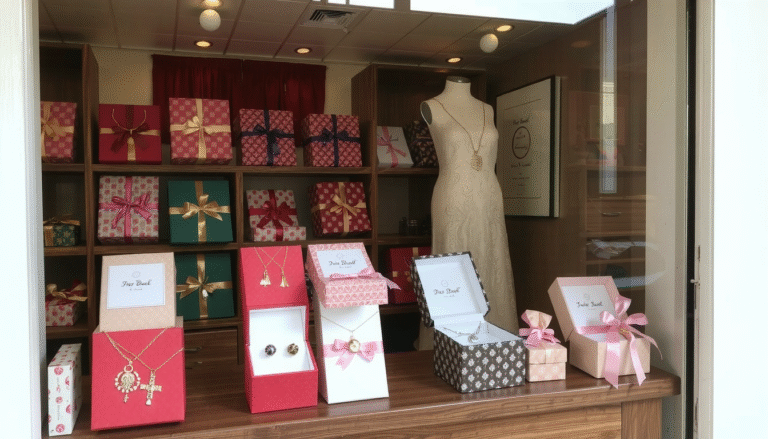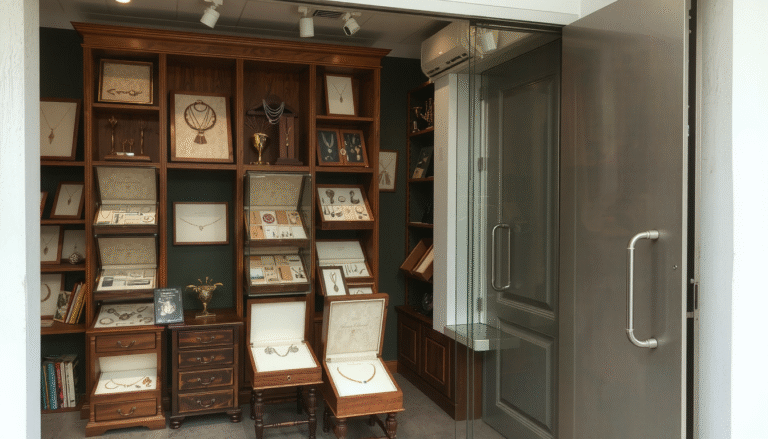
Your jewelry collection is a narrative in itself. It is a constant reminder of the milestones passed, the memories created, and the personal style adopted. No matter if it is a family heritage or a new trendy design, every piece of jewelry deserves a place that both protects it and expresses your individual style.
Besides being a storage compartment for your jewelry, a jewelry box is an intimately personal place to store your most valued possessions.
The realm of jewelry boxes designs that inhabit art and utility provides wonders for the eye. Looking for the right one can cause one of the biggest threats. Following this guide, you will find all the needed knowledge. You will learn about the process of getting the right design to perfectly match your collection and lifestyle.
In this guide, you will learn:
- The design aesthetic spectrum, reaching from classic to modern.
- The impact of different materials on function, longevity, and appearance.
- The proposed method for matching a box design to your particular collection.
- Suggestions to opt for a customized or DIY solution in a real unique way.
A World of Style: Popular Design Aesthetics
 The immediate feature of your jewelry box is how it looks, a language of visuals. It is a decoration that you would be happy to display. Knowing the key design aesthetics means that your search can be limited to styles that you truly like.
Classic & Traditional Designs
These designs remind us of family traditions and timeless beauty. Often, they are made to pass down as heirlooms. They are inherited together with the treasures they keep. A classic jewelry box is the epitome of strength and eternity.
- Materials: Heavy, dark woods like mahogany, cherry, or walnut.
- Features: Decorative carvings, brass or antique-style hardware, and plush velvet or silk linings.
- Feel: Grand, sophisticated, and sturdy.
Modern & Minimalist Designs
If you prefer a clean, streamlined space, modern jewelry boxes designs are just the ticket. The principle here is: “less is more.” Form, function, and geometric purity take precedence over all else.
- Materials: Lacquer, acrylic, light-toned woods (such as maple or birch), or metals.
- Features: Straightforward lines, no-handle drawers, neutral color palettes (white, black, grey, beige), and compartments you can’t see.
- Feel: Architectural, chic, and structured.
Vintage & Antique-Inspired Designs
These items are like a portal into places and times of the past. A vintage-style box, be it whimsical shabby chic or bold Art Deco, can both tell a story and bring character into the room.
- Materials: Old wood, metal, or glass.
- Features: Floral motifs, decoupage, unique metalwork, or repurposed elements.
- Feel: Nostalgic, romantic, and eclectic.
Rustic & Farmhouse Designs
These are the designs that embrace the beauty of the raw, unrefined materials. Rustic styles radiate warmth and authenticity. They are a part of cozy, nature-themed designs that express groundedness.

- Materials: Reclaimed or natural-finish wood, simple hardware like iron or rope.
- Features: Visible wood grain, simple construction, often with a handcrafted appearance.
- Feel: Cozy, earthy, and unpretentious.
Artisan & Handcrafted Designs
These are the real standouts. An artisan jewelry box is a functional piece of art that very often tells the story of its maker’s cultural heritage and skill. These collections are ideal for someone who values the uniqueness and storytelling of people.
- Materials: Exotic woods, hand-painted ceramics, tooled leather, or intricate inlays.
- Features: One-of-a-kind patterns, cultural motifs, and non-traditional shapes.
- Feel: Unique, soulful, and expressive. Many unique artisan-crafted jewelry boxes are not just for storage but are pieces that represent a global craft tradition.
Material Matters: Form and Function
The jewelry box’s material is not simply a design choice. It will also determine how long your box lasts, how heavy it will be, and if it will be protective enough. Getting to know the advantages and disadvantages of the most common choices will help you to decide on the most pleasing and useful design.
| Material | Key Design Styles | Pros | Cons | Best For… |
|---|---|---|---|---|
| Wood | Classic, Rustic, Artisan | Excellent protection, durable, timeless, anti-tarnish potential | Can be heavy, susceptible to humidity changes | Heirloom protection, large collections |
| Leather | Modern, Traditional, Travel | Luxurious feel, lightweight, durable, portable | Can scuff, may require conditioning | Travel, modern dressers, gifting |
| Velvet | Vintage, Luxury | Very soft lining, prevents scratches, elegant look | Can attract dust, offers less structural protection | Lining material, decorative display boxes |
| Acrylic | Modern, Minimalist | Allows for display, lightweight, easy to clean | Can scratch easily, offers less impact protection | Displaying a curated collection, modern decor |
| Lacquer | Modern, Luxury | High-gloss finish, very decorative, easy to wipe clean | Can chip or crack if dropped, shows fingerprints | A statement decor piece on a vanity or dresser |
The Warmth of Wood
Wood is, without a doubt, the quintessential element in high-quality jewelry boxes. Choose from hardwoods such as oak, walnut, and maple to achieve better durability. They provide a natural barrier against changes in environmental conditions, thus, they are optimal for keeping your precious metals and gemstones safe. The wide variety of wood results in a vast selection of jewelry box designs.
The Sophistication of Leather
Virtuous leather, whether it be of genuine origin or high-quality vegan, offers modern luxury. It is a material that you can come across in everything from small travel bags to large multi-drawer chests. Its soft-yet-sturdy nature makes it flexible to both home storage and secure transport.
The Clarity of Acrylic & Glass
If you want to have a glass box to display your jewelry collection when it is not outside, acrylic and glass boxes are good options. These types of designs are the best because they make your collection of jewelry art. They look great in modern spaces but need to be handled with care to avoid scratches or shards.
The Luxury of Lacquer & Velvet
The lacquer is a decorative material that gives off a stunning, high-gloss finish, which makes it a statement piece in almost any kind of decor. These boxes are usually paired with an ultra-soft velvet or suede lining, thus they vest both external beauty and internal protection. Velvet is the best option for liner fabrics. It has a soft pile that cushions the delicate items and, at the same time, prevents scratches.
Beyond Aesthetics: Your Collection & Lifestyle
After aesthetics, the most important factor is whether the jewelry box matches your collection or daily routine. Beyond the aesthetics, siding with the practical factors is a good idea. This is your design taking place in the real world.
Long, delicate chain necklaces are what most of our clients have in their collections and are the ones that need special treatment in the design. The vertical hanging space will shorten the worries about tangling, or the separate compartments will take this issue away. A simple open-tray design just won’t do. The design of the interior is no less important than the logo on the outside.

You should start thinking about it by asking yourself these questions: What do I have and how do I use it?
Step 1: Audit Your Jewelry Collection
Take a quick look at what you really need to store. The perfect design will have a space for everything.
- For the Ring Collector: Seek out designs with soft ring rolls that hold rings securely upright.
- For the Necklace Lover: Designs with side compartments that have hooks or a carousel, or tall, undivided drawers are the ones you should put first to keep chains untangled.
- For the Earring Enthusiast: What you are looking for are designs with many small, divided compartments or specialized earring grids that can keep pairs together and visible.
- For Chunky Bracelets & Watches: You should check if the design has big, open spaces or deep drawers that are needed for accommodating bulkier items.
Step 2: Consider Your Lifestyle
The way you interact with your jewelry on a daily basis will determine what is the most functional design for you.
- The Daily Dresser: If you have a few key pieces you toggle through daily, a box that opens with a clear view or another open valet tray on top provides easy access. This way you don’t have to open many drawers.
- The Traveler: No travel kit is complete without a travel case. Searching for a compact, secure design with zippered closures and different compartments for the safe storage of items on the go would make an ideal product.
- The Heirloom Guardian: For precious and/or sentimental pieces, a chest plan that is made of durable wood with a lock, plus an anti-tarnish liner, is both the safest option and the best preservation solution.
As expert reviewers at The New York Times’ Wirecutter note, it is very important to review the internal compartments division because only the matching ones can fit the pieces in your collection.
The Art of the One-of-a-Kind: Bespoke & DIY
If they want to have a storage solution that matches their collection, prefabricated options may not cut it for these individuals. Thus, exploring bespoke and DIY jewelry boxes designs opens up the world of personalization.
Commissioning a Bespoke Design
The commissioning of a bespoke jewelry box to a craftsman is a luxury of the highest order. This is the road straight to the creation of a tailor-made and perfect home for your collection.
There are no rivals to the benefits. You would be able to specify the exact dimensions, choose a unique kind of wood or other materials, and create the interior layout so that it fits every single piece that you have. This will result in a true heirloom-quality item. When you search for a craftsman, make sure to go through their portfolio and discuss your needs in detail. Those who seek custom options and unique materials can resolve their problems at a specialized jewelry box supplier where they can bring their vision to life.
Creative DIY Jewelry Box Design Ideas
For those that love to get their hands dirty, pursuing a DIY project can often be quite fulfilling. Not only can you create a personalized piece on a modest budget, but with a little creativity, you can also build something truly unique.
- Upcycle Vintage Tins or Cigar Boxes: Hunt for beautiful vintage containers in flea markets. Line them with custom-cut velvet and simple card dividers for an instant, character-packed solution.
- Customize a Simple Wooden Box: Buy an inexpensive, unfinished pine box from a craft store. Apply paint, decoupage with beautiful paper napkins, or use stencils, to match your room’s decor perfectly.
- Build from Scratch: Plenty of woodworking plans can be found online for those ambitious enough who want to build their own project with complete design and material control, leading to a truly personal creation.
Preserving Beauty: Caring for Your Box
A high-quality jewelry box is not just a product but also an investment. With just a bit of basic routine care, you can make it keep its brand-new look forever.
- Wood: Wipe off dust regularly with a soft, dry microfiber cloth. You can apply a little bit of high-quality wood polish or wax from time to time to restore the luster and protect the finish.
- Leather: Dust will be removed easily with a cloth that is slightly damp. You need to apply a special leather conditioner once or twice each year, to keep it supple and free from drying or cracking.
- Acrylic/Glass: Get a microfiber cloth and a gentle ammonia-free glass cleaner to avoid streaks and scratches.
- Lining: Use a lint roller to remove dust and fibers from velvet or suede interiors. For deeper cleaning, a small vacuum attachment on a low setting works well.

FAQ: Your Questions Answered
What is the best material for a jewelry box to prevent tarnish?
The best designs for preventing tarnish feature high-quality wood with a tight seal and an anti-tarnish fabric lining. These specialized linings are treated with compounds that absorb airborne sulfur and other pollutants that cause silver and other metals to discolor.
How do I choose a jewelry box design as a gift?
Consider the recipient’s personal style and existing home decor. A versatile design, like a modern lacquer box or a classic leather case, is often a safe bet. Also, try to discreetly find out what kind of jewelry they wear most (rings, necklaces, etc.) to choose a design with the right compartments.
Are jewelry armoires a good design choice?
Jewelry armoires are an excellent design choice for individuals with very large collections. Their main advantages are immense storage capacity, especially for long necklaces, and the ability to consolidate an entire collection in one piece of furniture. However, they require significant floor space.
Should my jewelry box have a lock?
A lock adds a layer of security. This is particularly useful for storing valuable heirloom pieces or if the box is kept in a high-traffic area. For everyday costume jewelry, a lock is less critical and can be more of a stylistic element in the overall jewelry box design.
What’s the difference between a jewelry box and a jewelry organizer?
Generally, a “jewelry box” refers to a closed container (a box with a lid), offering protection from dust and light. A “jewelry organizer” is a broader term that can include open designs like trays, stands, and wall-mounted hangers. The best choice depends on whether your priority is protection and concealment or display and easy access.