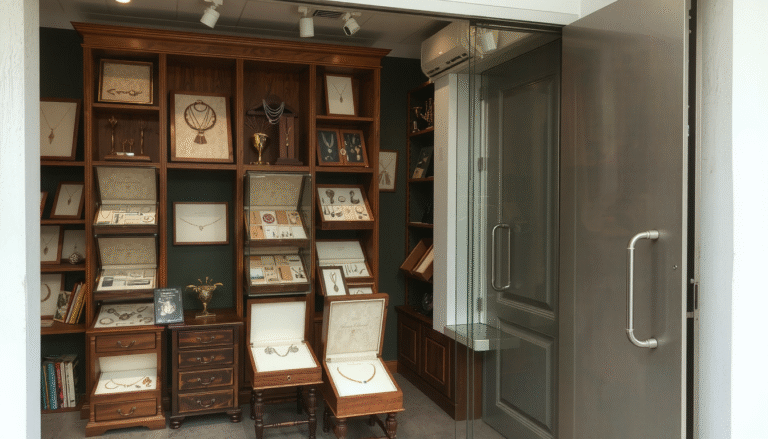
For an antique jewelry box, it’s not just a storage cabinet but an era of the past and a collection of memories. It is often of actual monetary worth. It is heartbreaking to find such a precious thing covered in dust.

It could be your concern that the cleaning procedure might damage it. It is quite rational to worry about this. However, cleaning is safe and beneficial if it is done in the right way. The skills in how to clean the antique jewelry box correctly will make it beautiful again.
The key rule to follow is quite plain. Always start with the lightest method. This article will teach you how to identify your box’s materials. Then, we will introduce you to the cleaning rules about each part that you need to follow step-by-step. We will discuss material checking, outside and inside cleaning, and extended care.
Before You Start: The 3 Important Rules of Antique Care
Before you even think of cleaning your jewelry box with a cloth, just hold on. Preparation is the main key to successful cleaning. These three rules will save you from making mistakes that will cost a lot. When you follow them, you will gain the confidence to start.
Rule #1: The First Step is Checking – Know Your Materials
The very first main step that you need to take is to learn about your materials. You cannot use the same cleaner for wood, brass, and velvet. The wrong choice can take a finish or a fabric off in an instant. This is the first step in learning how to clean a jewelry box safely.
Examine your box carefully. Often, a good box by a trusted jewelry box manufacturer will use high-quality materials. You can refer to this table to help you find out what your box is made of.
| Material | What to Look For | Simple Test |
|---|---|---|
| Oak | Big, wavy grain lines; light to medium brown color. | Feels heavy and very hard. |
| Mahogany | Straight, fine grain; reddish-brown color that gets darker with age. | Often has a deep, rich shine. |
| Walnut | Straight or swirled grain; rich, dark brown color. | Lighter than oak but still very solid. |
| Brass | Yellow, gold-like color. Gets dull brown or green over time. | A magnet will not stick to real brass. |
| Silver Plate | Bright, white metal shine. Turns black over time. | Can be very shiny when polished; often has stamps. |
| Velvet | Soft, thick fabric with short raised fibers. | Has a special feel and deep, dull color. |
| Silk | Smooth fabric with high shine. | Feels very smooth and cool to touch. |
Rule #2: Assemble Your Soft Tools
You do not have to use any strong chemicals. Most cleaning jobs can be done with a small kit of basic supplies. Having all items ready, makes the process smooth sailing.
Your basic tools should usually have:
* Soft, lint-free cloths (microfiber works great)
* Extremely soft brushes (such as an artist’s brush or a new, soft toothbrush)
* Cotton swabs for very tiny details
* Mild soap with no scent (gentle dish soap works well)
* Distilled water (tap water has minerals that can leave spots)
* Small bowls for mixing cleaning solution
* A can of compressed air
* Optional: Good quality wood conditioner or gentle metal polish
To remove the bits easily from very detailed carvings, experts recommend using compressed air as a special tool. This method will help you to get rid of dust from the fine cracks without any touch.
Rule #3: Always Test First

If only one rule should stick in your mind, let it be this one. Never use any cleaner or even water on a visible area first. Always check the method of cleaning in a spot that is not visible.
Choose a small area that cannot be easily seen. The bottom of the box, the back, or an inside corner work well. Put a tiny amount of your cleaning solution there and wait.
Check for any negative reactions. This can include color loss, finish clouding, or raised wood grain. Ensure the spot is completely dry before you make your decision about its safety. This one action can keep your treasured item from permanent damage.
Step-by-Step: The Process of Cleaning Antique Jewelry Box Outsides
Now that you have done your check and test, you can start the cleaning process. We will separate the process by materials. Always work in a well-lit area and take your time.
For Wooden Jewelry Boxes (The Most Common)
The most frequent material for antique boxes is wood. Nevertheless, it is very sensitive to water. The goal is to clean the surface without harming the wood or its finish.
Step 1: Dry Dusting.
The first step is getting rid of all the loose dust. Use a very soft brush to get into the carvings and corners. Wipe all the surfaces gently with a dry microfiber cloth, all over.
Step 2: Mild Soap Mixture.
Mix a very small quantity of soap with distilled water. You only need a few drops of soap in a bowl of water. Dip a clean cloth into the mix.
Step 3: Gentle Wiping.
Squeeze the cloth until it is almost dry. The cloth should be damp, not wet. Many expert tips for cleaning old jewelry boxes suggest that the biggest enemy of old wood is excessive water. It can make the wood swell or the finish peel. From that moment on, move gently with the grain direction of the wood to wipe it.
Step 4: Rinsing and Drying.
Grab another cloth and wet it with plain distilled water. Squeeze it out very well. Wipe the surface again to “rinse off” the soap used. Follow straight away with a clean, dry cloth to remove any water.
Step 5: Conditioning (Optional).
If the wood finish looks dull or dry after cleaning, you can condition it. Take a small amount of beeswax-based polish or a good quality wood conditioner and put it on a new, clean cloth. Buff gently to a soft shine.
For Metal Parts (Hinges, Clasps, Decorations)

Metal part elements like hinges, locks, and decorative details need a different approach. First, check what metal it is.
For Brass or Pewter:
The same mild soap mixture can be used on a cotton swab. This is sometimes enough to remove dirt. In the case of dark tarnish, use a polish made for that specific metal. Put it sparingly with a cotton swab and buff it off with a clean cloth. Be careful not to get any polish on the wood around it.
For Silver or Silver Plate:
Use a silver polishing cloth for the best effect. These cloths are treated with very fine cleaner. They are less harsh than many liquid polishes. Gently rub the silver to bring back its shine.
Always clean around any set stones or delicate decorations. Do not pour the polish directly on them.
Fixing the Interior: Cleaning Velvet, Satin, and Fabric Linings
The inside of an antique jewelry box is often just as delicate as its exterior. Linings of velvet, satin, and silk are easily damaged. This section of how to clean an antique jewelry box requires careful work.
Basic Debris and Dust Removal
Start with the driest methods. A simple lint roller can work great on fabric linings. You can also wrap masking tape, sticky-side-out, around your fingers and dab it on the fabric.
A vacuum cleaner is a better option for deep cleaning. Just use a soft brush attachment and set your vacuum cleaner to the lowest power. This will lift all of the dirt and dust without damaging the fragile fabric.
Spot-Cleaning Stains on Linings
Do not soak the lining of a jewelry box. It can dissolve old glue and may lead to mold.
A box with a small, mysterious stain on its velvet lining was once fixed by us. Instead of soaking it, we mixed a tiny amount of mild soap with cool water. We used only the foam on a cotton swab and dabbed—never rubbed—the spot. After blotting it with a dry cloth, the stain lifted with no damage to the delicate fabric.
Using a mild soap solution is one of the most safe and effective tips for vintage items. Stick to the driest cleaning method possible for very delicate fabrics like silk or those that are in antique velvet jewelry boxes wholesale.

Removing Musty Smells from Inside
Old boxes sometimes get a musty smell. A very simple and safe way to get rid of it is with baking soda. Just put in a small, open container of baking soda inside the box and close the lid.
After that, leave it for a few days up to a week. The baking soda will work and absorb the odor. The activated charcoal also worked well. You can also leave the box open in a dry, air-room for a few days. Just, keep it away from direct sunlight.
Problem Solving: When to DIY and When to Call a Pro
A box might need more than just simple cleaning sometimes. Knowing your limits is essential. Some tasks are safe than others while some require a professional.
DIY Fixes (With Care):
* Small Scratches on Wood: For light scratches, sometimes rubbing walnut meat is enough. The oils can darken the scratch. Also, color-matched wax sticks work well.
* Sticking Hinge: Just one tiny drop of mineral oil is enough, applied with a toothpick tip.
* Light Mildew Spots: After a patch test, you can try a 50/50 mix of white vinegar and water. Put it on with a cotton swab, and dry the area right away.
When to Stop and Get Professional Help:
Not all issues are appropriate for a beginner to try and tackle. Attempting to fix them can ruin the value of antiques. Keep an eye out for these warning signs.
- WARNING SIGNS:
- Cracked or peeling wood veneer.
- Large areas of mold or mildew.
- Broken hinges, locks, or other structural parts.
- Paint or gold leaf that is flaking off.
- Lining that is breaking apart or crumbling when touched.
- The box has very high money value or sentimental value.
The role of a professional conservator is to retain the item as it is and not make it look brand new. This, in turn, preserves its history and value.
The Final Touch: Long-Term Care and Preservation
Once you have freshly cleaned the jewelry box, you’ll want it to stay beautiful. A proper long-term care plan is simple and will make your efforts last for years.
Position the box in a fixed area. Do not put it in direct sunlight as it can make wood and fabrics fade. Stay away from high humidity areas and attics or basements where there is extreme temperature.
All you need is a quick and gentle dusting with a soft cloth once a fortnight. This will stop any dirt from building up again. When handling the box, use clean hands to avoid putting oils on the surface.
Correct care is a tribute to the skill of the original maker. For those who admire quality craftsmanship in both old and new items, exploring a reliable source like jewelryboxsupplierltd.com can provide insight into heirlooms that and how to make them that way.
Frequently Asked Questions (FAQ)
You will have answers to some common questions related to how to clean an antique jewelry box.
1. Can I use a store-bought wood cleaner like Pledge on my antique jewelry box?
It is generally not a good idea. Most of today’s furniture polishes include silicone and harsh chemicals that can build upon the surface over time or even ruin a fragile antique finish. A mild soap and water solution or a wax for antiques is much safer.
2. My box has a strong musty or perfume smell. Will baking soda really work?
Yes, it is very safe to use and works well for bad smells. The only thing you need is to have patience since it may take several days or even a week. If the smell stays, try replacing the baking soda with a fresh batch or placing crumpled newspaper inside the box, which is also great at absorbing smells.
3. The velvet inside is completely worn out. Can I replace it?
You can replace a lining, but it is a restoration project, not cleaning. You should be aware that replacing original parts such as the lining will affect the value of the box among collectors. However, if it is a family piece for your own use, it might be worth it to you. If you are still concerned about its value, talk to a professional first.
4. How often should I do a deep clean on my antique jewelry box?
Such a deep clean, as explained in this guide, should be done rarely. Only when the box is very dirty, such as after being found in a storage unit, should that be done. For regular cleaning, just dry dusting every few weeks is sufficient to maintain the box.